
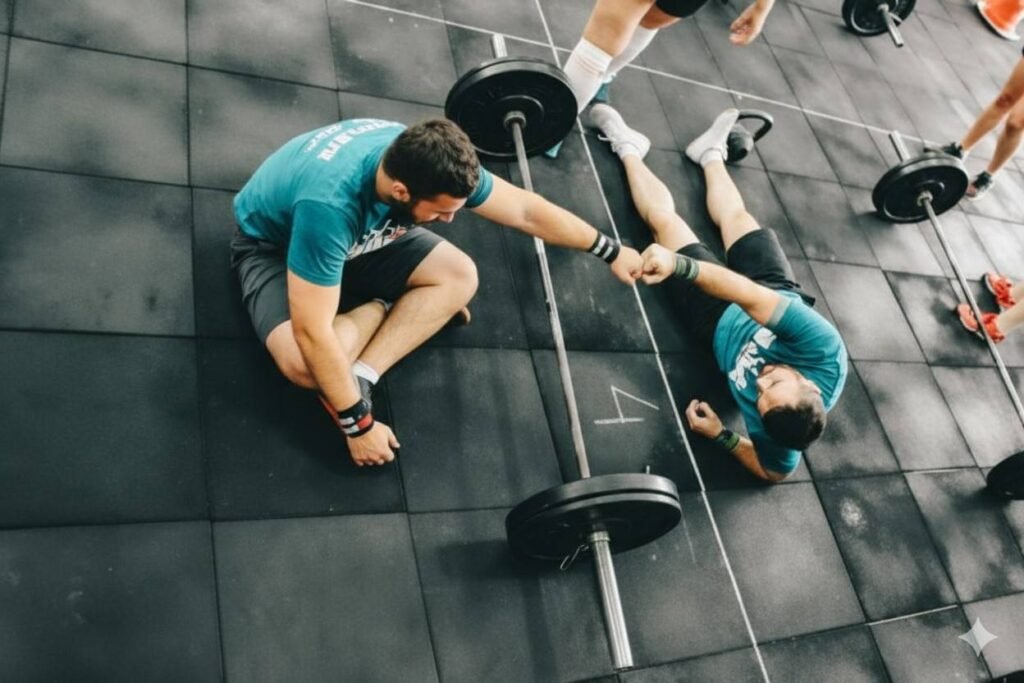
When I first started exploring how elite competitors prepare for the world’s biggest stage, I was honestly surprised. The discipline behind Olympic athletes training routines goes far beyond regular gym workouts. In fact, these programs combine strength training, endurance workouts, sports science, and mental conditioning in ways most people never see.
At first, I thought natural talent was the main reason for Olympic success. However, as I learned more, I realized that high-performance training programs and carefully planned athlete recovery strategies make the real difference. From intense cardio sessions to detailed performance tracking, every step is designed for peak performance.
Moreover, I discovered that preparation styles change from country to country. While some teams focus on advanced sports technology, others rely on altitude training, strict nutrition plans, and psychological preparation. Because of this global diversity, Olympic preparation becomes both inspiring and unbelievable.
How Olympic Athletes Train for Peak Performance?
Performance is built step by step. Instead of random workouts, athletes follow structured strength and conditioning programs designed for long-term success. Each session has a clear goal linked to power, stamina, or skill improvement.
Strength and Conditioning Programs of Elite Athletes
For example, Simone Biles builds explosive power through core stability drills and bodyweight resistance training. She focuses on muscle strength while also training balance and flexibility daily. This balanced approach helps her performance stay sharp under pressure.
Similarly, Olympic swimmers rely heavily on controlled weight sessions and dry-land workouts. These exercises improve joint stability and reduce injury risk. Strength training becomes the base of any serious athletic development plan.
Endurance Olympic Athletes Training Routines
Endurance preparation involves extreme discipline. Eliud Kipchoge trains at high altitude to improve oxygen efficiency and aerobic capacity. This allows long-distance performance to remain consistent even under fatigue.
Distance runners combine long steady runs with interval sessions. This mix improves cardiovascular endurance and mental toughness simultaneously. Endurance training therefore becomes both physical and psychological preparation.
Speed and Agility Drills in Modern Olympic Sports
Speed training focuses on reaction time and fast-twitch muscle activation. Short sprint intervals and explosive starts are key parts of elite sprint routines. These drills maximize acceleration within seconds.
For instance, Usain Bolt used specialized sprint mechanics and agility exercises to dominate global tracks. He also practiced starting block techniques repeatedly for perfect timing. Speed development requires precision, repetition, and smart recovery planning.
Country-Specific Olympic Training Methods
Training philosophies vary across countries, reflecting culture, climate, and available sports science technology. Different nations adopt unique methods to prepare athletes for peak performance.
USA’s High-Tech Performance and Data-Driven Training
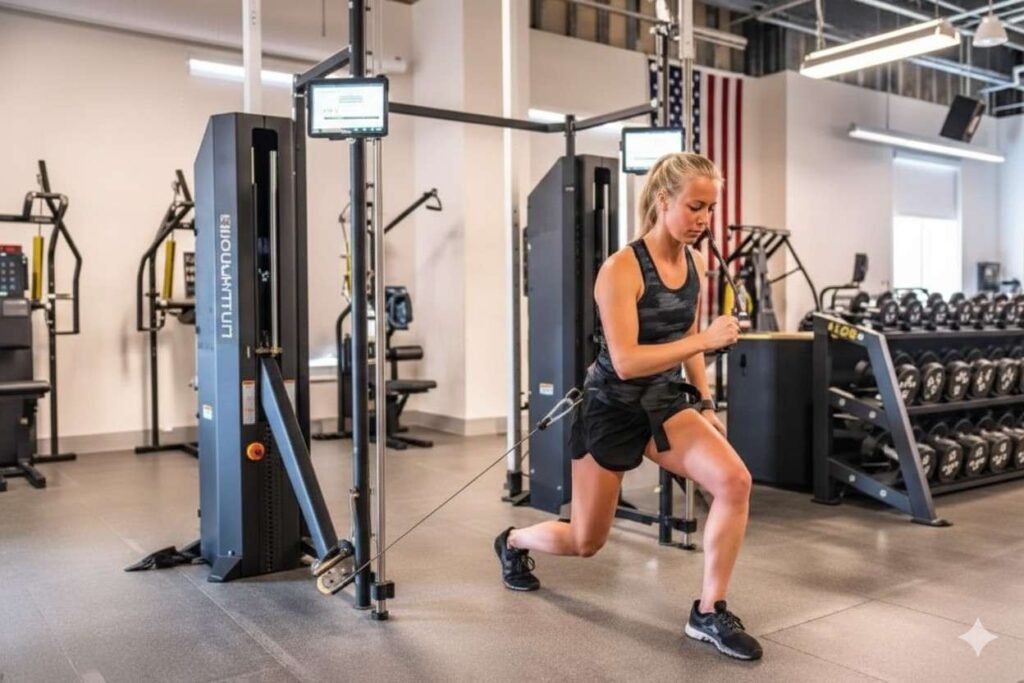
In the United States, preparation often includes detailed performance analytics. Michael Phelps followed structured swim cycles supported by underwater video analysis and heart-rate monitoring. Coaches adjusted technique and workload using real-time data to optimize results.
Many American athletes also use wearable devices to track recovery and muscle fatigue. This focus on performance tracking systems improves efficiency and prevents injuries. Technology plays a major role in modern high-performance programs.
Norway’s Endurance-Based Winter Sports Preparation
Norway emphasizes endurance and climate adaptation. Therese Johaug trains in cold environments to build stamina and lung capacity, enhancing aerobic strength for winter sports.
Altitude camps and long-distance skiing sessions are common. These methods improve cardiovascular conditioning and mental resilience, forming the foundation of Norwegian Olympic success.
Japan’s Discipline and Precision-Focused Training
Japan focuses on discipline and technical repetition. Naomi Osaka combines skill-based drills with mental focus sessions to achieve precision and consistency.
Structured routines and strict schedules develop both mental conditioning and technical mastery. Cultural discipline directly influences international sports performance.
Olympic Athlete Diet Plans and Recovery Routines
Nutrition and recovery are crucial parts of Olympic preparation. Elite athletes follow tailored diet plans and structured recovery schedules to maintain peak performance.
High-Performance Nutrition Plans
Katie Ledecky, for example, follows a calorie-rich diet designed for endurance swimming. Meals include a balance of proteins, carbohydrates, and healthy fats to fuel long training sessions. Proper nutrition supports strength, stamina, and overall recovery.
Athletes from different countries adapt diets to their sport requirements. High-protein meals aid strength sports, while complex carbohydrates support endurance. Nutrition planning ensures athletes remain energized throughout intense training cycles.
Ice Baths, Sleep Cycles, and Physiotherapy
Recovery routines include ice baths, stretching, physiotherapy, and sleep regulation. Novak Djokovic incorporates flexibility exercises and monitored rest periods to prevent injuries and maintain agility.
Proper recovery improves performance and reduces the risk of fatigue-related mistakes. Structured rehabilitation and rest cycles are as important as the workouts themselves.
Mental Training and Psychological Preparation in the Olympics
Mental strength is as important as physical training for Olympic athletes. Techniques like focus exercises, visualization, and stress management are widely used to enhance performance.
Visualization and Focus Techniques
Allyson Felix, for example, uses race visualization strategies to mentally rehearse every step of her sprint. This improves reaction time, decision-making, and confidence during actual competition.
Athletes also practice meditation and concentration drills to maintain calm under pressure. Visualization combined with mental conditioning prepares athletes to handle high-stakes moments effectively.
Handling Pressure on the Global Stage
Competing internationally can be stressful, and managing pressure is essential. Tom Daley uses controlled breathing and mindfulness techniques to maintain focus during diving events.
Mental preparation also includes coping strategies for unexpected situations or performance anxiety. Psychological readiness enhances consistency and helps athletes perform at their best in critical moments.
Cutting-Edge Technology in Olympic Training
Modern Olympic training relies heavily on advanced tools and innovations. Performance labs around the world help athletes track every detail of their preparation.
- Wearable Fitness Trackers
Devices monitor heart rate, muscle fatigue, and movement patterns. Many runners and swimmers use them to improve stroke or stride efficiency. - AI-Based Performance Analytics
Artificial intelligence analyzes training data to optimize load, recovery, and overall performance. Teams apply AI to plan smarter, more effective sessions. - Virtual Reality Simulations
VR allows athletes to simulate competition scenarios for mental rehearsal and reaction training. This improves focus, timing, and confidence under pressure. - Biomechanics and Motion Analysis
Motion capture and biomechanical studies help refine technique and reduce injury risks. Performance labs at the Olympic Games often use these systems for elite athlete assessments.
Unbelievable and Extreme Training Methods That Shocked the World
Some Olympic athletes push their training to extraordinary limits to gain a competitive edge. For instance, Eliud Kipchoge trains at high-altitude mountain camps to increase lung capacity and endurance, allowing him to maintain exceptional performance in marathons.
Underwater resistance exercises are commonly used by swimmers and divers to improve strength, stability, and stroke efficiency. These sessions provide resistance without putting stress on joints, making them both intense and safe.
Sprinters and football players often perform sand dune sprints to build explosive power and enhance lower body resilience. Similarly, cryotherapy chambers help athletes like Novak Djokovic recover faster and reduce inflammation after intense training sessions.
Extreme endurance sessions, including multi-hour workouts in snow, heat, or cold, are another method used by long-distance and winter sport athletes. These routines develop both mental toughness and physical stamina, making their performances truly remarkable on the world stage.
Conclusion
Olympic success is not just about talent; it comes from years of structured training, strict discipline, and innovative methods. Athletes like Simone Biles, Eliud Kipchoge, and Michael Phelps demonstrate that combining strength, endurance, and mental preparation creates world-class performance.
The diversity in training methods across countries highlights the importance of both culture and technology. From Norway’s cold-endurance routines to Japan’s precision-based drills, every approach contributes to peak performance. These extreme and carefully planned routines inspire both aspiring athletes and sports enthusiasts around the world.
FAQs
Q1: How many hours do Olympic athletes train daily?
Most elite athletes train 4-6 hours per day, including strength, endurance, skill practice, and recovery sessions. For example, Michael Phelps often had multiple daily swim sessions combined with dry-land workouts.
Q2: What is the most intense Olympic training routine?
High-altitude endurance camps, sand dune sprints, and underwater resistance exercises are among the most extreme routines. Eliud Kipchoge’s marathon training in the mountains is a prime example.
Q3: Do all countries follow similar athlete workout programs?
No, training methods vary widely. Norway focuses on cold-environment endurance, Japan emphasizes precision and mental discipline, and the USA combines high-tech performance analytics with traditional conditioning.
Q4: How important is mental training in Olympic sports?
Mental conditioning is crucial. Techniques like visualization, focus exercises, and mindfulness help athletes handle pressure. Allyson Felix and Tom Daley are known for their consistent mental training routines.
Q5: Can amateur athletes adopt these routines?
While full Olympic-level routines are extreme, amateurs can adapt principles like structured workouts, recovery planning, and mental focus exercises to improve their performance safely.