
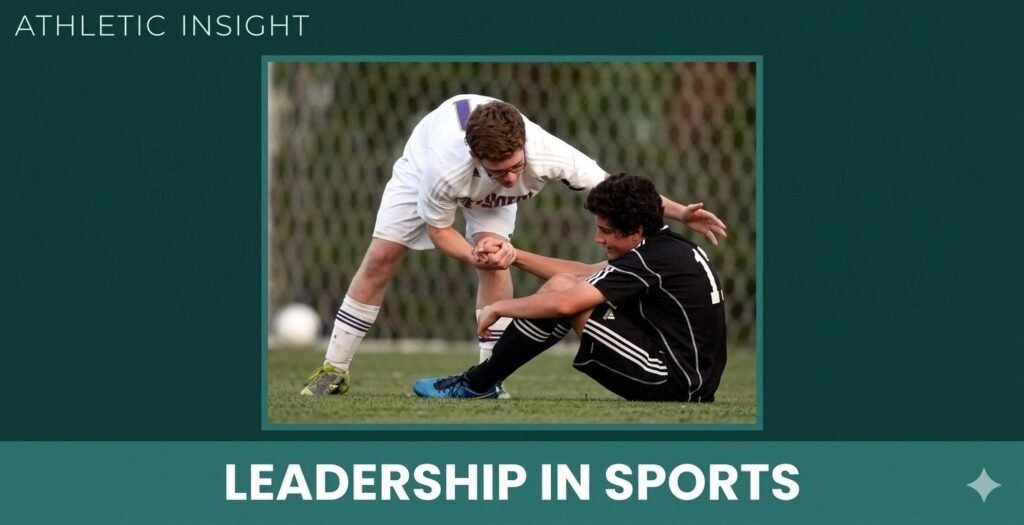
Sports have always played an important role in my life. I have noticed that sports build discipline and leadership skills in a very natural way. When I started playing regularly, I learned how to follow rules; stay focused, and improves myself.
I believe sports teach more than just physical strength. Through daily practice and teamwork, I started understanding discipline in sports and the value of commitment. These lessons slowly helped me become more responsible in my daily life.
I also experienced how sports can develop leadership skills in sports teams. While playing with others, I learned how to communicate, support teammates, and make decisions. These experiences helped me grow both as a player and as a person.
What Does Discipline in Sports Really Mean?
Discipline in sports means following rules, routines, and training schedules every day. Athletes must wake up early, practice regularly, and stay focused on their goals. This discipline in sports helps them improve skills and perform better in competitions.
Sports training discipline also means listening to coaches and respecting team rules. Players must control their habits, avoid laziness, and give their best effort in every practice session. This daily commitment builds strong character in athletes.
For example, a football player who practices passing and running every day develops strong sports discipline. Even when training becomes hard, disciplined athletes keep working to improve. Over time, this habit helps them succeed both in sports and in life.
How Sports Teach Self-Control and Responsibility?
Sports teach athletes how to control their emotions during difficult moments in a game. When players feel angry or frustrated, they must stay calm and focus on the match. This type of self control in sports helps athletes make better decisions under pressure.
For example, in football a player may receive a bad foul from an opponent during an important match. Instead of reacting with anger, a disciplined player controls emotions and keeps playing. This shows strong responsibility in team sports because the team depends on calm and focused players.
Athletes also learn responsibility by supporting their teammates and following team strategies. If one player makes a mistake, others encourage him instead of blaming him. This teamwork builds strong leadership and discipline through sports over time.
The Role of Team Sports in Building Leadership Skills
Team sports help players guide and motivate others, creating strong leaders. A captain must inspire teammates, make quick decisions, and maintain leadership skills in sports during tough matches. Discipline and teamwork are key for winning as a group.
For example, Virat Kohli, captain of the India national cricket team, led by example with strict training routines and focus. During tough matches, his discipline and encouragement helped the team stay calm and perform at their best.
In one famous Test match against Australia in 2018, Kohli’s leadership and disciplined approach motivated the team to chase a difficult target. His guidance and self-discipline on and off the field played a major role in India’s victory. This shows how sports build discipline and leadership skills in real life.
How Coaches Help Develop Discipline and Leadership?
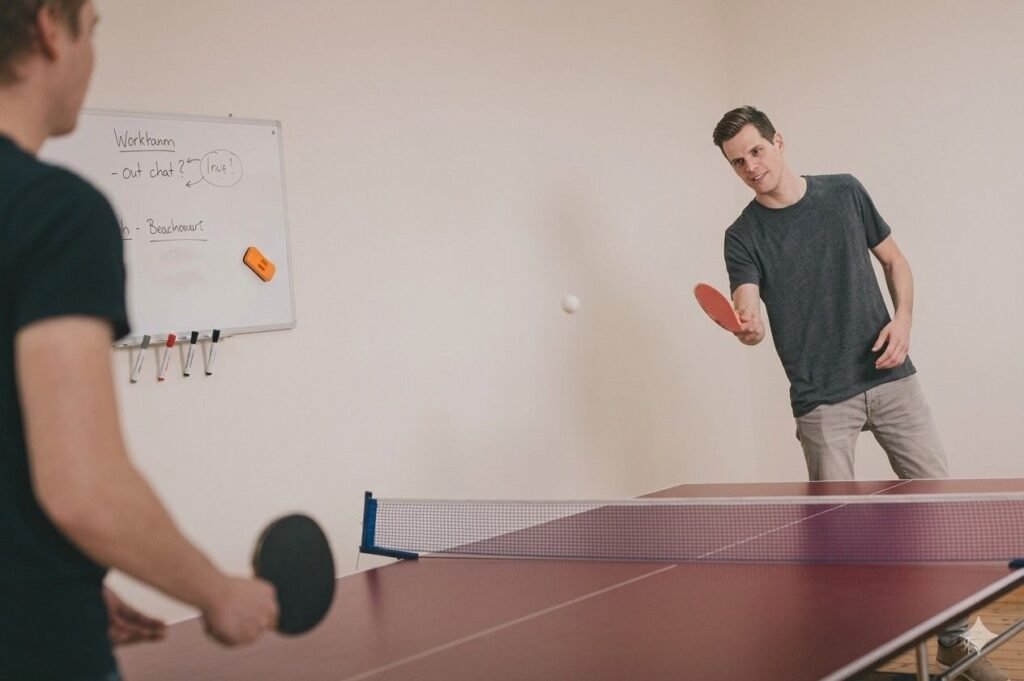
Coaches play a major role in teaching athletes how to stay focused and motivated. They create training plans, set rules, and guide players on both skills and behavior. This sports coaching leadership helps athletes develop discipline and responsibility.
For example, Phil Jackson, former coach of the Chicago Bulls, taught his players to stay calm under pressure. He used meditation and strict routines to improve focus. His guidance helped players like Michael Jordan become leaders on the court.
Good coaches also mentor athletes on teamwork and decision-making. They encourage players to support each other, follow strategies, and take responsibility for their actions. This builds long-term leadership and discipline through sports.
Sports and Time Management Skills
Athletes learn to balance training, studies, and personal life, which improves time management for athletes. Following a strict daily schedule helps them use every hour effectively. This teaches discipline that goes beyond the field.
For example, Serena Williams, tennis star, manages practice, tournaments, and personal commitments daily. Her strict routine ensures she stays fit, improves skills, and maintains focus on goals. This shows how sports routine discipline shapes success.
Time management also teaches athletes to prioritize important tasks. By planning practice, rest, and study, players develop responsibility and self-control. These habits help them succeed both in sports and life.
Real-Life Examples of Athletes Showing Leadership
Many athletes demonstrate leadership through discipline and hard work. Their actions on and off the field inspire teammates and fans, showing how famous athlete leadership examples work in real life.
For example, Cristiano Ronaldo, captain of Al-Nassr FC and former Portugal captain, leads by example during training and matches. His strict diet, practice routines, and focus motivate teammates to perform their best.
Another example is Megan Rapinoe, captain of the US Women’s National Soccer Team, who combines skill with strong leadership. Her disciplined approach and guidance helped the team win the 2019 Women’s World Cup, proving how sports build discipline and leadership skills.
Benefits of Sports for Students’ Character Development
Sports help students develop confidence, discipline, and strong character. Participating in games teaches them teamwork, respect, and responsibility. These are key sports benefits for students that last a lifetime.
For example, students who play basketball or football learn to handle wins and losses gracefully. They follow rules, attend practice regularly, and support teammates. This builds character building through sports in real life.
Regular sports activity also improves focus and decision-making. By learning to manage time, cooperate with others, and face challenges, students gain important life skills. These lessons show how sports build discipline and leadership skills beyond the field.
How Parents and Schools Can Encourage Sports Participation?
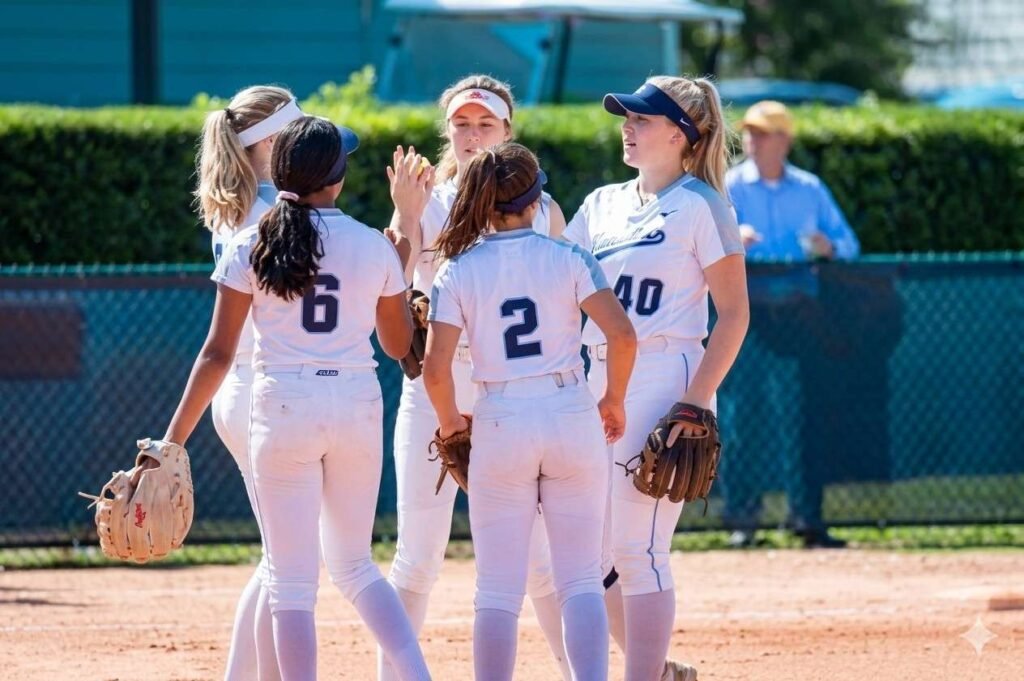
Parents and schools play a big role in helping children develop importance of sports in education. By encouraging participation, they teach discipline, teamwork, and leadership from an early age.
For example, schools that organize football, cricket, or athletics competitions motivate students to practice regularly. Parents who support their children’s sports activities help them develop responsibility and time management.
Providing proper guidance, facilities, and positive feedback helps students stay committed. This early exposure to sports creates habits of discipline and leadership that last a lifetime, showing how sports build discipline and leadership skills.
Conclusion
Sports are not just about winning games; they teach important life skills like discipline, leadership, and teamwork. Following rules, practicing regularly, and supporting teammate’s help athletes grow personally and professionally.
Real-life examples of players like Virat Kohli, Cristiano Ronaldo, and Serena Williams show how discipline and leadership in sports lead to success both on and off the field.
Encouraging participation in sports, whether at school, college, or professionally, helps develop confidence, responsibility, and decision-making skills. Clearly, sports build discipline and leadership skills that benefit every aspect of life.
FAQs
Q1: Why do sports help build discipline?
Sports require regular practice, following rules, and commitment. This routine teaches athletes to stay focused and consistent in every activity.
Q2: How do team sports develop leadership skills?
Team sports allow players to guide and motivate teammates. Taking responsibility and making decisions helps develop strong leadership qualities.
Q3: Can sports improve leadership skills in students?
Yes, students learn responsibility, teamwork, and confidence. Participating in sports teaches them how to lead and work with others effectively.
Q4: What life skills can athletes learn from sports?
Athletes learn discipline, time management, teamwork, perseverance, and leadership. These skills are valuable both in sports and everyday life.
Q5: How can parents and schools support sports development?
By providing guidance, facilities, and encouragement, parents and schools help children develop discipline, responsibility, and leadership through regular sports participation.