Pickleball is becoming one of the fastest-growing sports in the world today. Many people search for fun, easy, and social games, and pickleball fits perfectly with this trend. Its simple rules and low-cost equipment make it very popular among beginners.
Players of all ages can enjoy it without needing high fitness levels or professional skills. That is why families, retirees, and young expats are all joining the game.
Global sports trends show that people now prefer community-based and social activities. Pickleball courts are easy to build, so the game spreads quickly in new countries, especially in Asia. Pickleball’s Global Rise demand is helping pickleball become a global lifestyle sport.
How Expats Are Fueling Pickleball’s Boom Across Asia?
Expats are playing a major role in spreading pickleball across Asian countries. Many foreigners bring the sport with them when they move for work or lifestyle reasons. This helps local communities discover a new and exciting recreational activity.
International communities in cities like Bangkok, Singapore, and Dubai are building strong pickleball groups. Expats often organize meetups, friendly matches, and training sessions for beginners. This creates a social and welcoming environment for new players.
As expat populations grow in Asia, so does the demand for pickleball courts and clubs. Local sports centers are now adding pickleball facilities to attract international residents. This cultural exchange is helping the sport grow very fast in the region.
From USA to Asia

Pickleball started in the United States as a backyard family game. Over time, it became a popular sport across schools, parks, and sports clubs. Its simple gameplay made it easy to spread beyond America.
As global travel increased, expats and tourists introduced pickleball to different countries in Asia. Sports lovers quickly adopted it because it requires less space and basic equipment. This helped the game grow in urban areas with limited sports facilities.
Today, pickleball is no longer just an American sport. It is becoming a global recreational activity with strong roots in Asia. This international journey shows how quickly sports can spread in the modern world.
What Makes Pickleball So Popular Among Expat Communities?
Pickleball is very popular among expats because it is easy to learn and play. The rules are simple, so new players can join without long training. This makes it perfect for people living in new countries.
Expats often look for social sports where they can meet new friends. Pickleball provides a friendly and active community environment. It helps people connect while staying healthy and active.
Another reason for its popularity is that it does not need expensive equipment. A paddle, a ball, and a small court are enough to start playing. This low-cost setup makes it ideal for expat lifestyles.
The Role of International Communities in Spreading Pickleball
International communities play a big role in growing pickleball around the world. Expats from different countries bring their sports culture with them. This helps introduce pickleball in new and diverse locations.
In many Asian cities, international clubs and social groups organize pickleball events. These events attract both locals and foreigners to play together. This mix of players helps the sport grow faster and stronger.
Social media and online groups also help spread pickleball globally. Expats share videos, tips, and match highlights to inspire others. This digital connection makes pickleball more popular across international communities.
Why Asia is the Next Big Market for Pickleball Growth?
Asia is becoming a major hub for pickleball because of its large population and growing interest in sports. People are looking for easy and fun fitness activities. Pickleball fits perfectly into this demand.
Many Asian cities have limited space for large sports fields, but pickleball needs only a small court. This makes it ideal for urban areas like Tokyo, Bangkok, and Kuala Lumpur. Sports clubs are quickly adding pickleball facilities.
Rising health awareness is also helping the sport grow in Asia. Young people and working professionals want active and social lifestyles. Pickleball offers both fitness and community in one simple game.
Pickleball’s Universal Appeal
Pickleball is known for its very simple rules, making it easy for beginners to start playing. Even people with no sports background can learn it quickly. This low learning curve attracts players of all ages.
Once people start playing, they often become highly interested in the game. The fast rallies and fun gameplay make it exciting and addictive. This keeps players coming back again and again.
The sport also offers a balance of fun, fitness, and competition. It is not too intense, so it suits casual and serious players alike. This universal appeal is a big reason for its global success.
How Social Lifestyle Trends Are Boosting Pickleball in Asia?
Modern lifestyle trends in Asia are focusing more on social and active living. People want activities that combine fitness with fun and interaction. Pickleball perfectly matches this new lifestyle demand.
Urban communities are shifting from traditional sports to easy and social games. Pickleball courts are often found in clubs, parks, and residential areas. This makes it easy for people to join and play regularly.
Social bonding is also a big reason behind its growth. Friends, families, and coworkers enjoy playing together after work or on weekends. This strong social connection is boosting pickleball’s popularity across Asia.
Rise of Pickleball Culture
Pickleball has become a powerful networking activity among expats in Asia. Many professionals use the sport to meet new people and build connections. It creates a relaxed space for social interaction beyond work.
Expat communities often organize pickleball tournaments and social matches. These events help people from different countries come together easily. This shared activity strengthens friendships and professional networks.
The sport is also shaping a new pickleball culture in urban areas. It blends fitness, fun, and social networking in one activity. This is why expats are helping the game grow so quickly across Asia.
The Future of Pickleball
Pickleball is expected to grow rapidly in Asian cities in the coming years. Urban populations are increasing, and people want easy recreational sports. This makes pickleball a strong future sport in Asia.
Many city planners and sports developers are now including pickleball courts in new projects. Residential societies, clubs, and schools are adopting this trend quickly. This shows strong long-term growth potential.
As awareness increases, more local players will join expat communities in the game. This will create a mixed and competitive sports culture. Pickleball is set to become a major urban sport across Asia.
Why Pickleball Clubs Are Growing Rapidly in Asia?
Pickleball clubs are increasing quickly across many Asian countries. People are joining these clubs to enjoy a fun and social sport. The simple nature of the game makes it very attractive for new members.
Many clubs offer beginner-friendly sessions and coaching programs. This helps new players learn the game without any difficulty. As a result, more people feel confident to join regularly.
The demand for community sports is also boosting club growth. Players enjoy meeting others while staying active and healthy. This strong interest is making pickleball clubs very popular in Asia.
Can Pickleball Become Asia’s Next Favorite Sport?
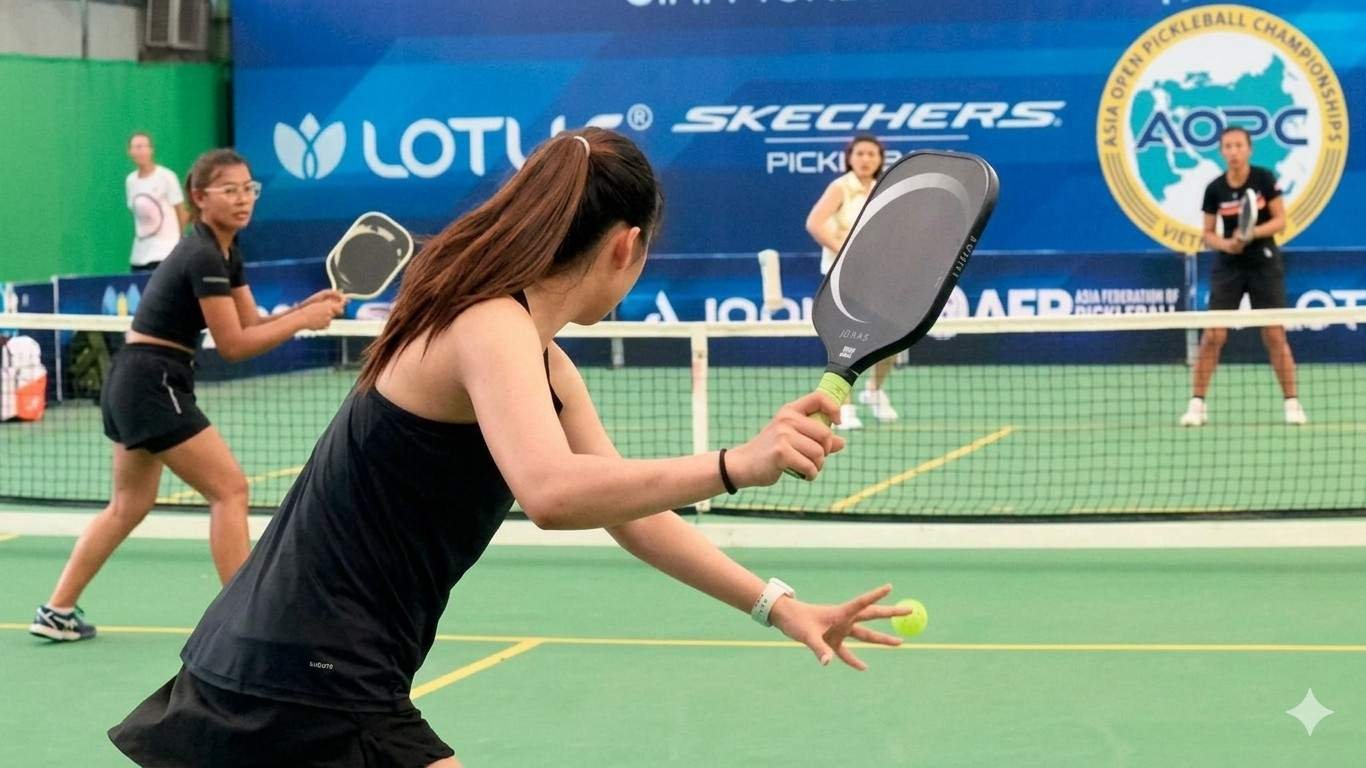
Pickleball has a strong chance to become one of Asia’s favorite sports. Its simple rules and fast gameplay attract people of all ages. This makes it suitable for both beginners and experienced players.
The sport is growing in schools, clubs, and residential communities across Asia. More people are trying it as a fun fitness and social activity. This steady growth shows its rising popularity in the region.
With support from expats and local players, pickleball’s future looks very bright. It combines health, fun, and community in one sport. That is why it may soon become a mainstream sport in Asia.
Conclusion
Pickleball’s global rise shows how a simple sport can become a worldwide trend. Its easy rules, low cost, and social nature make it highly attractive. This is why it is growing so fast in different countries.
Expats are playing a key role in bringing pickleball to Asia. They are helping build communities, clubs, and awareness around the sport. This cultural exchange is speeding up its popularity.
With strong urban demand and growing interest in active lifestyles, pickleball has a bright future in Asia. It is more than just a game-it is becoming a social and fitness movement.
FAQs
What is pickleball?
Pickleball is a paddle sport that combines tennis, badminton, and table tennis. It is played on a small court with a light ball. The game is easy to learn and fun for all ages.
Why is pickleball becoming popular in Asia?
Pickleball is growing in Asia because it needs less space and is easy to play. Urban people like its social and fitness benefits. Expats are also helping to spread the sport.
Who introduced pickleball to Asia?
Expats, travelers, and international sports communities introduced pickleball to Asia. They brought the game from countries like the USA. Now local players are also joining quickly.
Is pickleball expensive to play?
No, pickleball is a low-cost sport. You only need a paddle, a ball, and a small court. This makes it affordable for most people.
Can beginners play pickleball easily?
Yes, beginners can learn pickleball very quickly. The rules are simple and easy to understand. That is why it is popular among all age groups.