
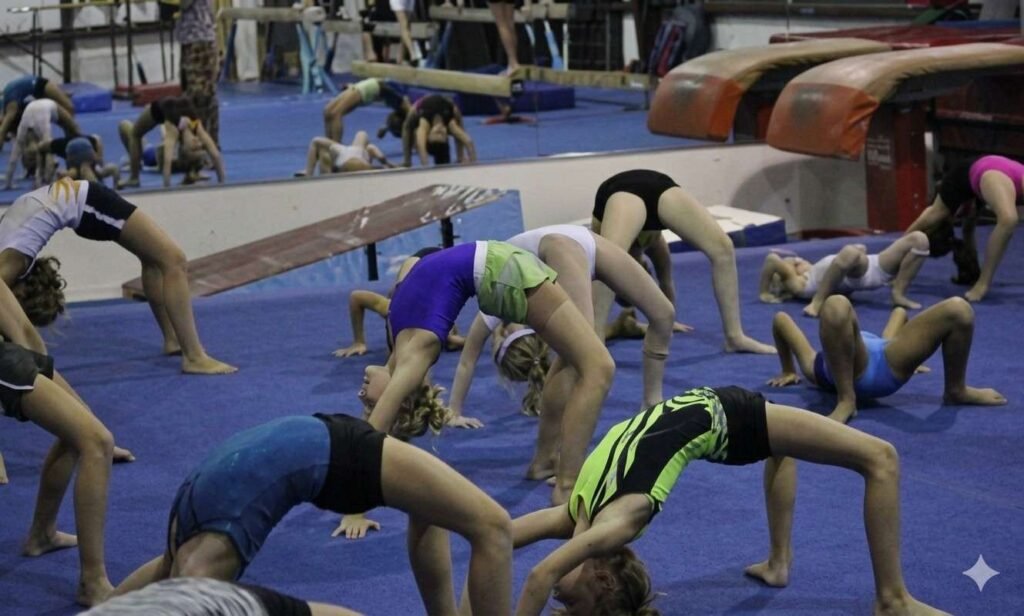
When I first started learning gymnastics exercises, I realized they were more than just impressive moves. These exercises train the body to become stronger, more flexible, and better balanced. Through regular gymnastics training, I slowly improved my body control and confidence.
I have noticed that simple gymnastics workouts can improve both physical strength and coordination. Many athletes practice these moves to build core strength, flexibility, and balance. Even beginners can start with basic movements and gradually learn advanced gymnastics skills.
In my experience, beginner gymnastics exercises are a great way to develop overall fitness. They help improve posture, body stability, and muscle control. That is why many trainers recommend gymnastics as a powerful full-body workout.
Benefits of Gymnastics Exercises
Gymnastics exercises help improve body flexibility and mobility. Regular stretching movements allow muscles and joints to move more freely without stiffness. This type of flexibility training also helps athletes perform difficult movements safely.
Another benefit of gymnastics is stronger muscles and better stability. Many core strength exercises in gymnastics train the abs, arms, shoulders, and legs together. A strong core supports the spine and improves overall body control.
Gymnastics also improves balance and body coordination. Practicing different gymnastics movements trains the body to stay controlled and stable. Over time, these gymnastics workouts make daily physical activities easier and more efficient.
Warm-Up Before Gymnastics Exercises
Warming up is very important before starting any gymnastics exercises. A proper gymnastics warm-up routine prepares muscles and joints for movement. It also reduces the risk of injuries during training.
Simple stretches and light cardio help increase blood flow to muscles. Stretching exercises before gymnastics improve flexibility and make exercises easier to perform. Beginners should spend at least 5-10 minutes warming up.
Dynamic movements like arm circles, leg swings, and gentle jumps are ideal. These gymnastics warm-up exercises also activate core muscles. Starting with warm-ups ensures a safe and effective workout session.
Bridge Exercise for Spine Flexibility
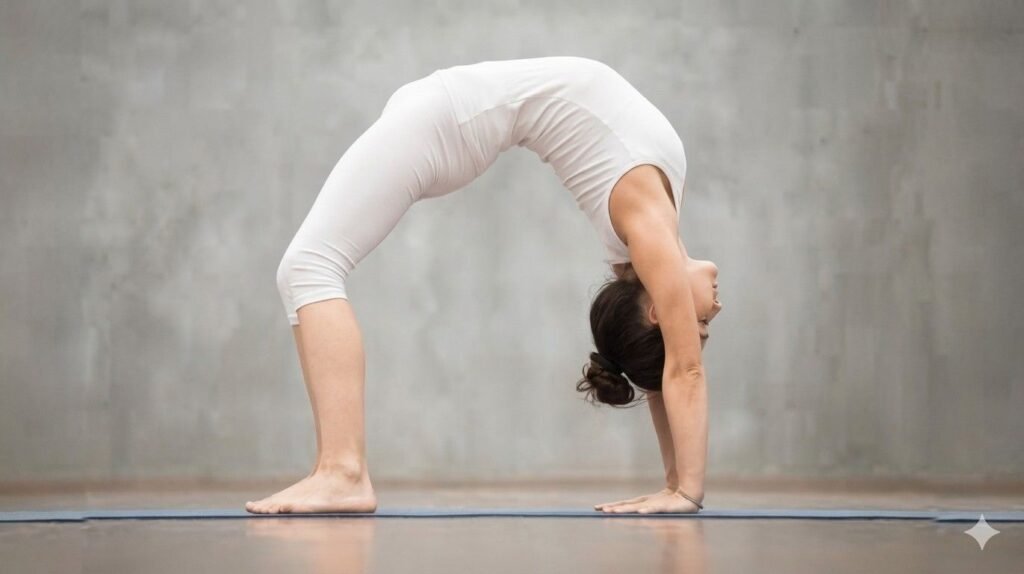
The bridge exercise is a basic gymnastics bridge exercise that improves back flexibility. It strengthens the spine, shoulders, and core muscles at the same time. Practicing this move regularly increases overall body mobility.
To do a bridge, lie on your back with knees bent and feet flat. Push your hips up while lifting your chest and shoulders. This back flexibility exercise helps open the chest and improve posture.
Beginners can start by holding the bridge for a few seconds. With time, increase the duration and repetitions. The bridge is a key move for building strength, flexibility, and body control.
Split Stretch for Maximum Flexibility
The split stretch is a classic gymnastics split stretch that improves leg flexibility. It stretches the hamstrings, hip flexors, and inner thighs. Regular practice helps achieve greater range of motion in the lower body.
To perform a split, slowly extend one leg forward and the other backward on the floor. Keep your hips square and maintain a straight posture. This leg flexibility exercise is excellent for beginners and advanced gymnasts alike.
Start with partial stretches if a full split is difficult. Hold each position for 20-30 seconds and gradually increase. Over time, the split enhances balance, flexibility, and overall body control.
Handstand for Balance and Upper Body Strength
The handstand is a key handstand exercise in gymnastics that builds upper body strength. It strengthens the shoulders, arms, and core while improving overall body balance. Practicing handstands also enhances body control and coordination.
To perform a handstand, start near a wall for support. Place your hands firmly on the ground and kick your legs up slowly. This gymnastics balance training move helps beginners gain confidence in inverted positions.
Regular handstand practice improves stability and posture over time. It also trains the brain and muscles to work together. Handstands are essential for developing strength, balance, and body awareness.
Cartwheel for Coordination and Agility
The cartwheel is a fundamental cartwheel gymnastics move that improves body coordination. It engages the arms, legs, and core while teaching spatial awareness. Practicing cartwheels also develops agility and quick reflexes.
To perform a cartwheel, start with your hands raised and step to the side. Place your hands on the ground and kick your legs over one at a time. This beginner gymnastics skill is simple but highly effective for overall body control.
Regular cartwheel practice enhances balance, coordination, and confidence. It also helps in performing more advanced gymnastics moves safely. Cartwheels are a fun way to improve strength, agility, and body awareness.
Hollow Body Hold for Core Strength
The hollow body hold is an essential gymnastics core exercise that strengthens the abs and stabilizes the spine. It trains the entire midsection, including lower back and hip muscles. This exercise improves control during other gymnastics movements.
To perform a hollow body hold, lie on your back and lift your shoulders and legs off the ground. Keep your lower back pressed into the floor for proper form. Practicing this hollow body position regularly builds endurance and core stability.
Beginners can start by holding the position for a few seconds and gradually increase time. This move enhances overall strength, posture, and body control needed in gymnastics and other sports.
Arabesque Balance Exercise
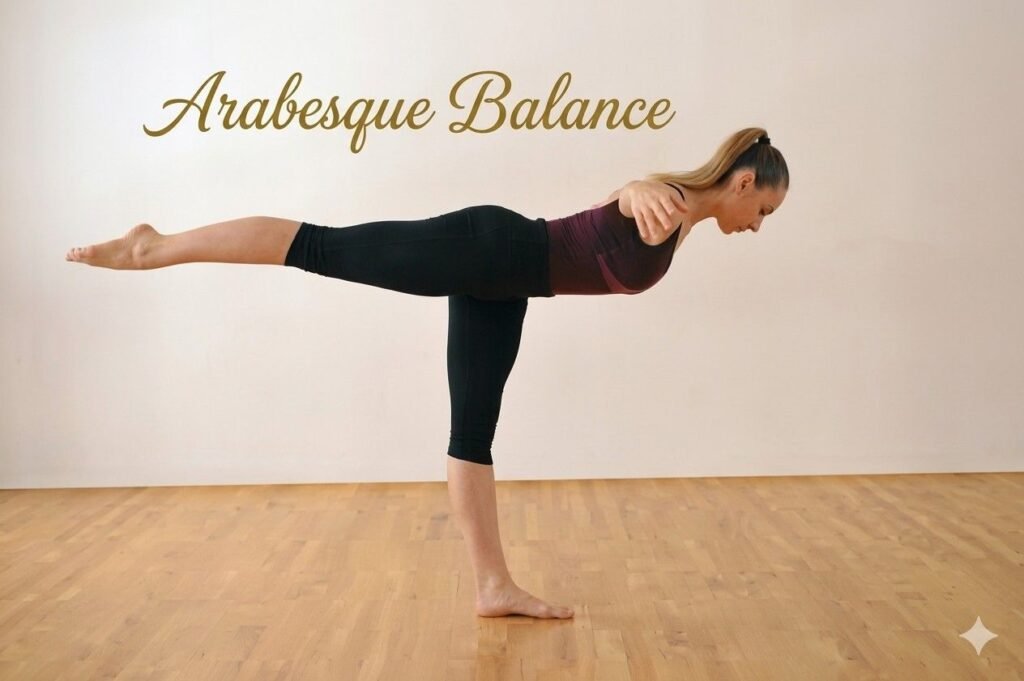
The arabesque is a key balance exercise in gymnastics that improves stability and posture. It strengthens the legs, glutes, and core while training body control. Practicing this move enhances coordination and graceful movement
To perform an arabesque, stand on one leg and extend the other leg backward while keeping the torso straight. Stretch your arms forward or to the sides for better balance. This body control training helps gymnasts maintain stability in complex routines.
Beginners should practice near a wall for support and hold the pose for a few seconds. Over time, it develops strength, balance, and flexibility, making other gymnastics exercises easier.
Safety Tips for Beginners Doing Gymnastics Exercises
Safety is very important when practicing beginner gymnastics training. Always start with basic moves and progress gradually. This prevents injuries and builds confidence in learning new skills.
Use soft surfaces or mats for practice to protect your joints and spine. Following proper gymnastics injury prevention tips ensures a safe workout. Warm-ups and stretching before exercises are essential for every session.
Train under supervision if possible, especially for advanced moves like handstands or bridges. Proper guidance improves form and reduces the risk of accidents. These safety tips make gymnastics exercises effective and injury-free.
Conclusion
Gymnastics exercises are excellent for improving flexibility, balance, and strength. Regular practice strengthens the core, enhances coordination, and builds overall body control. Anyone, from beginners to athletes, can benefit from these gymnastics workouts.
Starting with basic moves like bridges, splits, and handstands helps develop confidence. Over time, practicing these exercises improves posture, agility, and physical performance. Gymnastics is not just a sport; it’s a full-body fitness routine.
Including gymnastics exercises for beginners in your daily routine promotes a healthier, stronger, and more flexible body. With proper warm-ups, safety measures, and consistent practice, anyone can enjoy the benefits of gymnastics.
FAQs
Q1: Are gymnastics exercises suitable for beginners?
Yes, many basic gymnastics exercises for beginners like bridges, splits, and cartwheels are easy to start. They gradually improve strength, balance, and flexibility.
Q2: How often should I practice gymnastics exercises?
Practicing 3-4 times a week is ideal for noticeable results. Consistency helps improve flexibility, core strength, and body control over time.
Q3: Can gymnastics exercises improve balance and coordination?
Yes, moves like handstands, arabesques, and cartwheels enhance balance exercises in gymnastics. Regular practice trains the brain and muscles to work together efficiently.
Q4: Do gymnastics exercises build muscle?
Yes, gymnastics core exercises and upper-body movements strengthen abs, arms, shoulders, and legs. They provide full-body toning without heavy equipment.
Q5: What safety tips should beginners follow?
Always start with basic moves, use mats, warm up properly, and practice under supervision if possible. Following gymnastics injury prevention tips reduces risks and improves results.