
History to Modern Sports
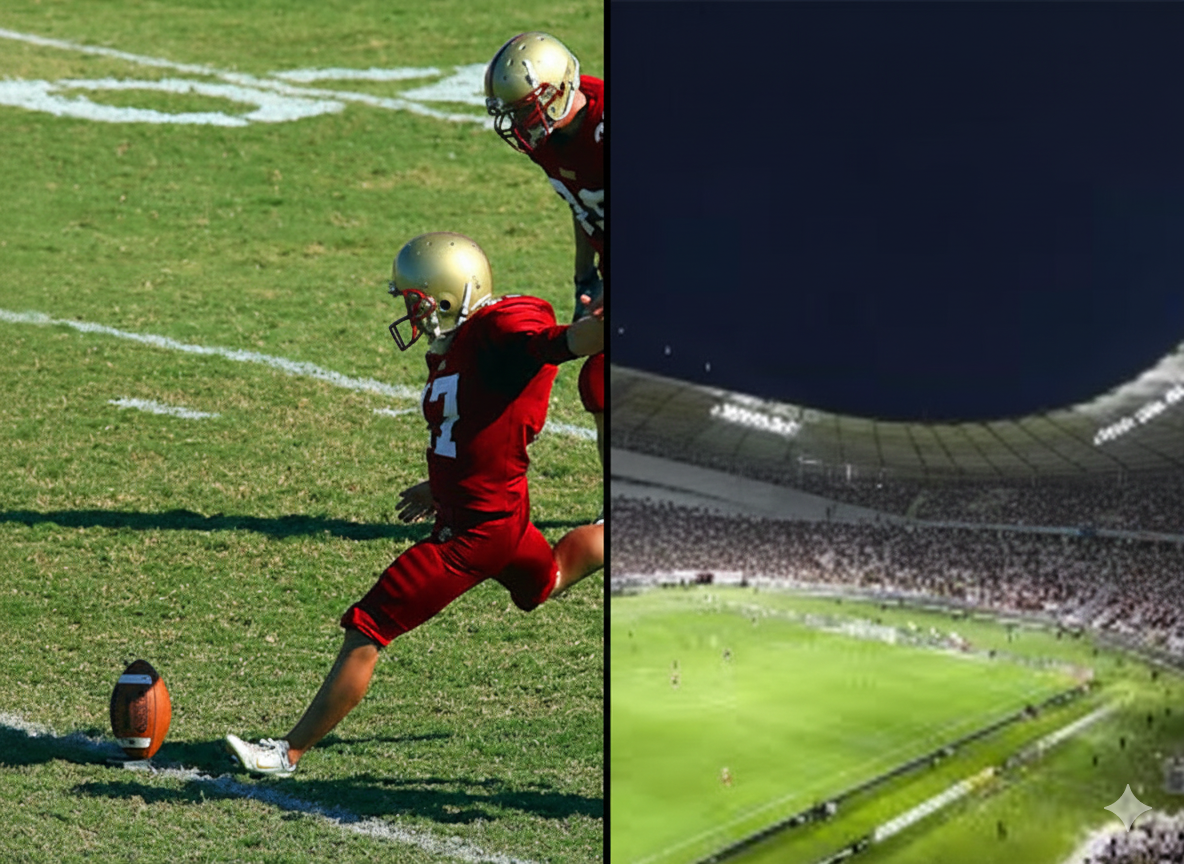
Sports have always been important to people as they provide entertainment, measure physical strength, express cultural identity, educate people about discipline and unity, and serve as avenues for competition.
Although the competitive nature of sport has remained unchanged, we have seen dramatic changes in sports over time. The sport we enjoy today either at giant stadiums or through digital streaming was developed through thousands of years of evolution.
By understanding the evolution of sports, we will see not only how the game has changed, but also how all of civilization has progressed over time.
Ancient Beginnings: The Roots of Organized Sport
Sports in ancient civilizations were often linked to religion, warfare, or social celebration. They were not simply games; they were cultural rituals.
Ancient Greece
Many sources attribute to the Greeks the development of the concept of ‘sport’, which was organized into a formalized system in Ancient Greece. The first Olympic Games were held approximately 776 B.C.E., and they were both an expression of physical excellence and a religious festival.
Events included Running, Wrestling, Javelin Throwing, Long Jump, and Chariot Racing. There were no huge crowds or elaborate venues; however, the foundation for the types of competition, athletic skill, and honorable conduct were already established.
Ancient Egypt
The sports of Ancient Egyptians included swimming, archery, and some early versions of ball games. The activities served as a basis for the development of military skills as well.
The paintings, discovered on the walls of tombs, reveal to us that there were forms of wrestling and competitions using rhythmic dance-like movements.
This illustrates the importance of sport in both ceremonial and day-to-day life..
Ancient China

It was in the early forms of martial arts that China developed a sport called Cuju, which is often regarded as the first iteration of modern football. Players would kick a ball through a net to score points, and both for fun and as a competition.
The popularity of structured ball games in China shows that at this time, various cultures that were far apart from each other were starting to develop sports that had a competitive aspect
Mesoamerican Civilizations
Culturally, in the cultures of the ancient Maya and ancestors of today’s Mexicans(Aztecs), the Mesoamerican ballgame was a central aspect of their culture.
The Mesoamerican ballgame was a sport played between teams on stone courts. The balls that were used were constructed of rubber and contained no air.
This ancient sport combined athleticism with the spiritual aspects of the Maya and Aztec peoples. Athletes around the world do not play the game by its original rules; rather, the Mesoamerican ballgame shows how people throughout history have shared a common interest in physical competition.
From the Medieval Age to the Early Modern World
After the decline of ancient empires, sports evolved alongside political and social change.
The Medieval Era
Sports in the medieval era of Europe were based heavily upon the need for warfare. The knights practiced sword combating, archery, and horse riding by participating in jousting tournaments.
Nobles participated in hunting and falconry, whereas the commoners participated in unorganized games often resembling early types of football.
Medieval competitions also played a role in formulating and establishing the formalized standards for competitive play.
The Renaissance
Sporting clubs, the standardization of rules, and organized contests increased during the Renaissance, promoting sports such as ball and racket games, fencing, tennis, and early cricket.
Schools incorporated physical education into their curriculum, establishing that sports would promote discipline and character.
The Renaissance marks the end of the Renaissance and the beginning of a significant transition regarding sports the Industrial Revolution.
The Industrial Revolution: The Birth of Modern Sports
The 18th and 19th centuries radically changed the world and, in turn, reshaped the world of sports.
Urbanization and Audience Growth
As people moved from rural to urban areas, sports became a major form of recreation and community identity. Larger populations meant larger audiences, and increased enthusiasm for competitive games led to the creation of official clubs and leagues.
Standardization of Rules
This period introduced formal rules and governing bodies. Football associations, cricket boards, rugby unions, and baseball leagues developed standardized regulations, ensuring fairness and consistent gameplay.
Officiating became a serious responsibility, and the concept of referees and umpires emerged.
Rise of Professional Athletes

For the first time, people could pay athletes to be professionals. Sports were no longer limited to festivals or playgrounds; athletes turned them into full-time careers.Teams gained loyal fan bases, and rivalries intensified.
Infrastructure Expansion
Purpose-built stadiums replaced makeshift fields. Organized seating, designated playing areas, and structured scheduling elevated sports from casual recreation to major public events.
The modern structure, competition format, and fan culture all trace their roots back to these developments.
The 20th Century: Technology, Media, and Globalization
If the Industrial Revolution established modern sports, the 20th century expanded them into a global force.
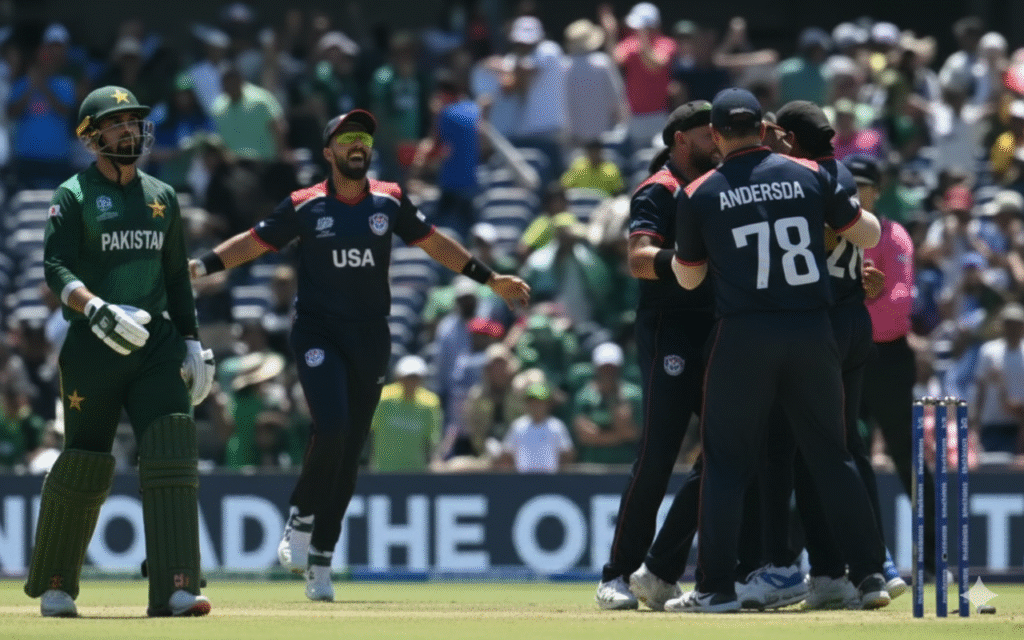
Broadcasting Revolution
The creation of radio and television would change everything about how we would view sports. No longer did you have to be there in person to see your favorite teams play.
With the broadcasting ability, fans grew from a national audience to a global audience; thus creating greater interest and profitability in the sports industry.
Sports commentators became famous; and televised games presented some of the most memorable moments in the history of sports.
Advances in Sports Science
Training methods became more scientific and specialized. Coaches used data, conditioning routines, and nutritional plans to improve performance. Sports medicine emerged as a specialized field, reducing injuries and extending athlete careers.
Olympic and International Competitions
The revival of the Olympic Games in 1896 and the growth of international tournaments like the Football World Cup ensured that sports were now global events. Nations competed for prestige, and athletes became worldwide celebrities.
Gender Inclusion
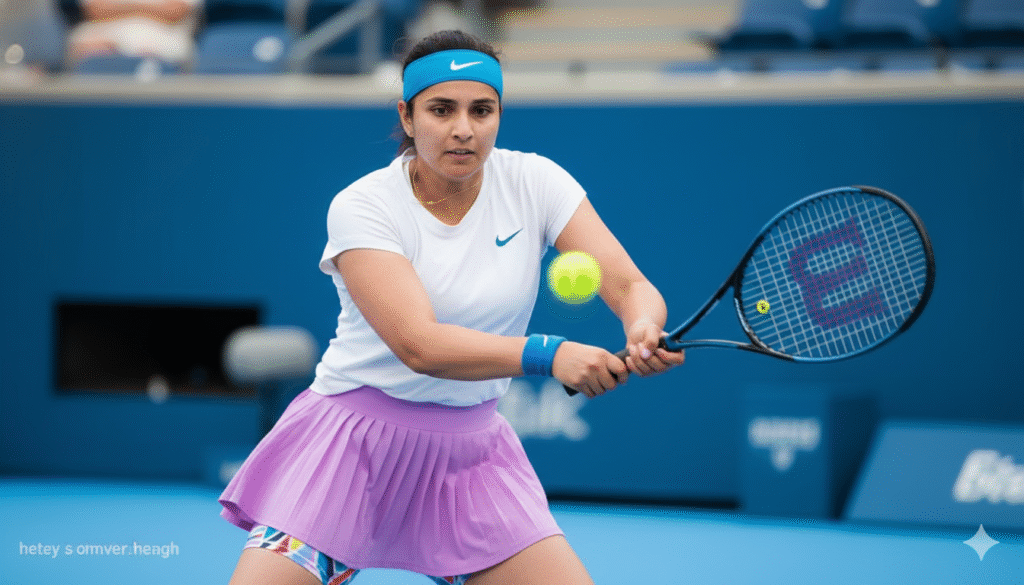
The 20th century saw the increasing participation of women in sports despite significant social barriers. Over time, women’s leagues, tournaments, and Olympic categories developed, contributing to gender equality in athletics.
Commercialization

Sports became big business. Sponsorships, endorsements, merchandising, and advertising turned athletes into brands and sports organizations into global enterprises. Major companies competed to associate themselves with popular teams and players.
By the late 20th century, sports were deeply embedded in global culture and economy
The 21st Century: The Digital and Technological Revolution
Today, sports exist in both physical and digital worlds, shaped by rapid technological advancement.
Data Analytics and Sports Intelligence
Teams now use advanced analytics to evaluate performance, scout talent, and develop strategies.
Statistics such as expected goals in football or efficiency ratings in basketball have changed the way fans, coaches, and players view the game.
Virtual and Augmented Reality
VR and AR make training more immersive, allowing athletes to simulate environments and improve decision-making. Fans use these technologies to experience games as though they are inside the stadium, enhancing engagement.
Wearable Technology
Devices like GPS trackers, heart-rate monitors, and motion sensors help athletes optimize performance while minimizing injury risks. This data-driven training is a significant departure from older, intuition-based coaching techniques.
Video Review Systems

Technologies such as VAR in football, DRS in cricket, Hawkeye in tennis, and instant replay in basketball and American football aim to ensure fairness. Although controversial at times, these systems represent a major evolution in rule enforcement.
Global Connectivity
The rise of streaming services, social media platforms, and mobile devices has connected fans worldwide. Players interact with supporters directly, teams broadcast behind-the-scenes content, and fans access sports news instantly.
The Growth of Esports
Digital competition, once considered a niche hobby, has become a legitimate global sport. Professional gamers compete in international tournaments, earning sponsorships, salaries, and massive audiences.
Esports highlight how sports are expanding beyond physical boundaries.
The Future of the Game
As technology continues to advance, sports will evolve further.
Smart Stadiums
Future stadiums will rely on artificial intelligence and automation to enhance crowd management, safety, and entertainment. Fans may soon experience real-time statistics, personalized replays, and interactive features while watching live games.
AI and Robotics
Artificial intelligence may assist coaches, refine player development, and even officiate matches with greater precision. Robotics could be used for training, rehabilitation, and even experimental forms of competition.
Sustainability
Sports organizations are increasingly adopting environmentally friendly practices. Green stadiums, renewable energy use, and eco-friendly equipment are expected to define future sports infrastructure.
Enhanced Athlete Safety
Innovations in helmet technology, smart uniforms, impact-absorbing materials, and injury-prevention analytics may drastically reduce risk in high-contact sports.
Conclusion
The journey of Athletics is a reflection of our journey as a species.As Society has changed and evolved, Athletics have also changed to meet these changing needs and technological advances.
The development of rules within Athletics has created a more organized environment for athletes and spectators. The way athletes train has evolved due to technological advances; this has led to athlete development into professional athletes.
The level of connection between fans and athletes has also improved due to technological advances.
As we look at how far we’ve come, it is essential to acknowledge that the principles that define Athletics such as competition, discipline, teamwork, and the pursuit of excellence have remained constant.
Moreover, as we move further into the Digital Age, it becomes increasingly important to remember that although the format and methods of how we play Athletics will continue to evolve, the essence of the game will endure.
Ultimately, it will continue to motivate, inspire, and create meaningful bonds between us as humans.