
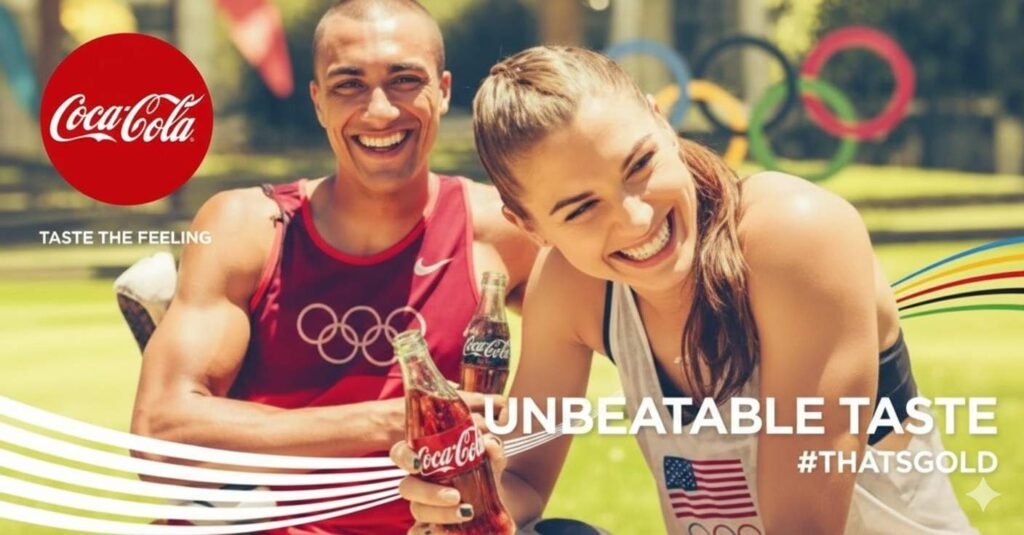
Over time, the Olympic Games have changed from pure sports competition into a powerful global brand. However, with modern Olympics marketing and strong visual identity, the focus is no longer only on medals. In the middle of this shift, Olympics 2026 branding reflects how image and storytelling now shape the Games.
Moreover, events like Olympics 2026 show how Olympic brand strategy is built to attract sponsors, media, and tourism. As a result, branding helps reach younger audiences through digital platforms. Still, many fans feel this sports commercialization is slowly changing the original Olympic spirit.
What Makes Olympics 2026 Branding Different?
Unlike past Olympics, Olympics 2026 branding focuses more on creating a global spectacle than just celebrating sports. Big sponsors like Coca-Cola and Visa are using modern Olympics marketing to reach audiences worldwide. From social media campaigns to branded fan zones, every corner of the Games is carefully designed to boost visibility and engagement.
Luxury and lifestyle brands are also playing a huge role in shaping the image of the event. For example, Omega highlights precision and elite performance through Olympic brand strategy, while fashion brands showcase limited edition collections tied to the Games. Even smaller sponsors invest in interactive digital content, ensuring their presence reaches millions of viewers online.
This commercial focus has changed how fans experience the Games. While sports event branding increases excitement and creates viral moments, some critics argue that it overshadows the competition itself.
Role of Corporate Sponsorship in Olympics 2026

Corporate sponsorship plays a huge part in Olympics 2026 branding, turning the Games into a multi-billion-dollar marketing event. Brands like Coca-Cola, Visa, and Samsung are everywhere-from stadium banners to digital campaigns. Through modern Olympics marketing, sponsors aim to connect with fans long before the competition even begins.
Moreover, companies use creative activations to engage audiences. Olympic brand strategy now includes fan experiences, influencer partnerships, and interactive apps. For example, Visa runs cashless experience zones, Coca-Cola creates pop-up fan zones, and Toyota showcases eco-friendly vehicles in Olympic villages. These campaigns ensure sponsors leave a lasting impression while fans share content online.
In addition, digital platforms amplify these efforts. Streaming partners like NBC highlight sponsored content alongside live matches, and fashion brands such as Puma design limited edition Olympic apparel. While this boosts revenue and fan engagement, some critics argue that sports event branding can overshadow the athletes’ performance
Host Cities as Global Brands
The host cities of Olympics 2026, Milan and Cortina d’Ampezzo, are using the Games to boost their global image. Through host city branding and massive media campaigns, they aim to attract tourism, investors, and international attention. In the middle of this effort, Olympics 2026 branding links city promotion closely with the sporting spectacle.
Local governments and organizers partner with luxury brands and lifestyle companies to create an upscale experience. For example, hotels and resorts run sports tourism marketing campaigns highlighting exclusive Olympic packages, while fashion and automobile brands showcase limited editions in host city events. This strategy ensures the cities become part of the Olympic brand strategy, not just a venue.
Furthermore, digital campaigns amplify global reach. Social media posts, virtual tours, and influencer partnerships promote Milan and Cortina as trendy and innovative destinations.
Athletes as Brand Ambassadors

In Olympics 2026 branding, athletes are no longer just competitors; they are powerful marketing tools. For instance, Eileen Gu, the freestyle skier representing China, partners with Nike and Oakley to promote sportswear and eyewear products globally. In the middle of this trend, modern Olympics marketing emphasizes athletes’ image and social media presence as much as their medals.
Other examples include snowboarder Shaun White, who continues collaborations with Red Bull and Burton. These partnerships feature digital campaigns, limited-edition merchandise, and sponsored events, making the athletes central to Olympic brand strategy.
This trend has both benefits and drawbacks. While athletes gain recognition and financial rewards, some critics argue that sports event branding now overshadows actual competition. At Olympics 2026, the focus on marketable athletes like Eileen Gu and Shaun White shows how deeply modern Olympics marketing influences the perception of the Games.
Media, Social Platforms, and Digital Branding

In Olympics 2026 branding, digital media plays a key role in reaching millions of fans worldwide. Platforms like YouTube, Instagram, and TikTok are used to share highlights, athlete stories, and behind-the-scenes content. Through modern Olympics marketing, viral moments and reels often get more attention than live competitions.
Media partners like NBC and Eurosport also integrate Olympic brand strategy into their broadcasts, promoting sponsors alongside key events. For instance, short-form clips featuring Eileen Gu or Shaun White are paired with branded campaigns, ensuring fans engage with both the sport and the sponsor.
This digital focus affects how fans experience the Games. While it increases excitement and global reach, critics argue that sports event branding sometimes overshadows athletic performance. At Olympics 2026, social media and streaming platforms show how modern Olympics marketing now shapes fan perception as much as the competitions themselves.
Impact of Branding on Competition and Sports Values
The rise of Olympics 2026 branding has changed how fans see the Games. Sponsors and media attention often highlight marketable moments over actual performance, making sports event branding sometimes overshadow competition. In the middle of this shift, athletes’ personal image and social media presence are as important as winning medals.
For example, athletes like Eileen Gu and Shaun White receive global visibility not only for their skills but also through partnerships with brands like Nike, Red Bull, and Oakley. These collaborations integrate modern Olympics marketing into every medal ceremony and viral moment.
While branding increases funding and fan engagement, some critics worry that it shifts the focus from Olympic values like fair play and athletic excellence. At Olympics 2026, the balance between competition and marketing shows how Olympic brand strategy now influences both the perception and the future of the Games.
Is Olympics 2026 Branding Good or Bad for the Future?
The heavy focus on Olympics 2026 branding has sparked debates among fans and experts. On one hand, modern Olympics marketing brings massive funding, better technology, and global exposure for athletes and host cities. This ensures events are watched by millions and helps sponsors like Coca-Cola and Visa invest more in sports development.
On the other hand, critics argue that sports event branding sometimes overshadows actual competition. Fans may remember viral campaigns or athlete endorsements more than the results of matches. Even athletes like Eileen Gu and Shaun White are often talked about for sponsored content rather than only medals, showing how Olympic brand strategy influences perception.
Ultimately, the future of the Games may depend on finding a balance. While Olympics 2026 branding ensures global attention and commercial success, preserving the Olympic spirit, fair competition, and athlete-focused storytelling will be essential for maintaining credibility.
Conclusion
Olympics 2026 branding shows that the Games are no longer just about medals or competition. Through modern Olympics marketing, sponsors, host cities, and media partners create a global spectacle where visibility and engagement matter as much as athletic performance. Fans now experience the Olympics through viral content, branded campaigns, and digital highlights.
Athletes like Eileen Gu and Shaun White are not only competitors but also global ambassadors, reflecting how Olympic brand strategy integrates personalities, sponsorships, and social media. Even cities like Milan and Cortina use the Games to boost tourism and luxury branding, showing the event’s commercial influence.
While critics worry about the impact on competition, sports event branding has undeniably increased funding, fan engagement, and global reach. At Olympics 2026, the Olympics now stand at the intersection of sport and business, marking a new era where branding and competition coexist to define the Games’ modern identity.
FAQs
Q1: What is Olympics 2026 branding?
A: Olympics 2026 branding refers to how sponsors, host cities, and media create a global image for the Games. Through modern Olympics marketing, everything from logos, athlete campaigns, and digital content is designed to engage fans worldwide.
Q2: How do sponsors influence the Olympics?
Sponsors like Coca-Cola, Visa, Red Bull, and Nike use Olympic brand strategy to reach millions of viewers. They run advertisements, fan zones, and social media campaigns that make the Games as much about branding as competition.
Q3: Are athletes part of the Olympics branding?
Yes, athletes like Eileen Gu and Shaun White act as brand ambassadors. Their performance, social media presence, and sponsorship deals are used in sports event branding to attract global attention.
Q4: How do host cities benefit from branding?
Host cities like Milan and Cortina d’Ampezzo use the Games for host city branding and sports tourism marketing, promoting tourism, investment, and international recognition while linking the city to the Olympics.
Q5: Does branding affect the competition?
Some critics argue that sports event branding can overshadow athletic performance. However, it also increases funding, fan engagement, and global exposure, showing that Olympic brand strategy balances commercial success with competition.
Leave a Reply