
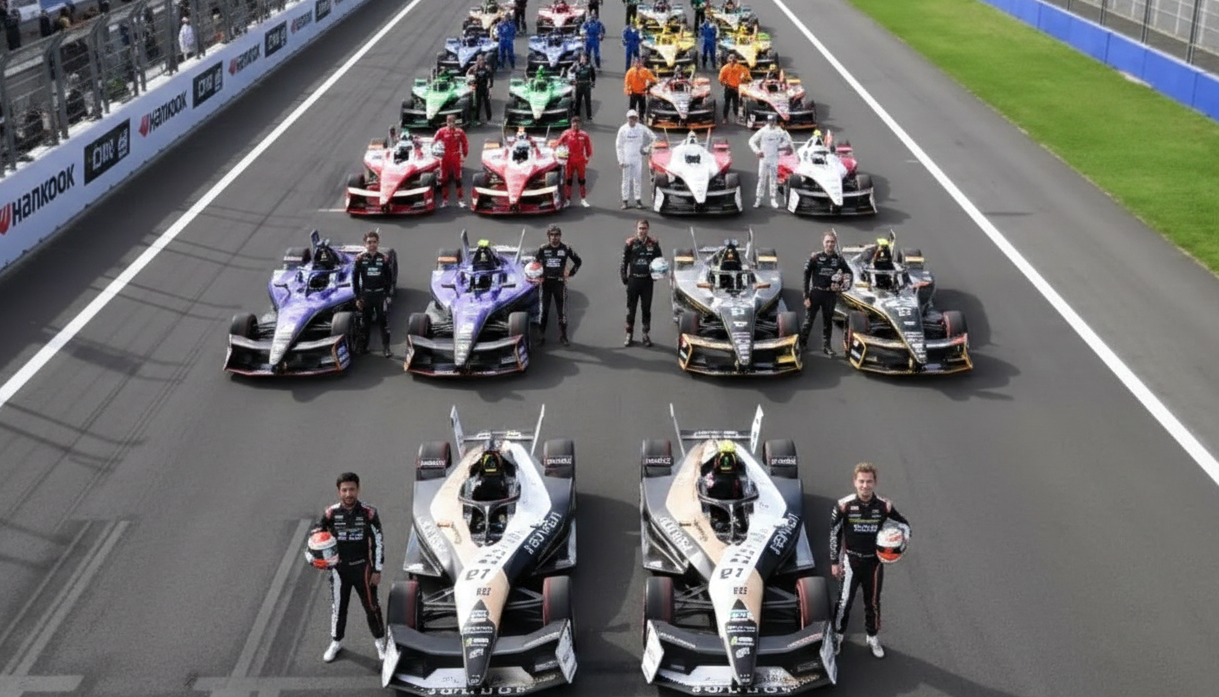
Formula E is an international electric car racing championship organized by the FIA. It focuses on clean energy, modern technology, and exciting city racing. Therefore, it has quickly become popular among motorsport fans worldwide.
Moreover, this electric motorsport series uses fully electric single-seater cars instead of fuel engines. As a result, Formula E promotes sustainability, lower emissions, and innovation. At the same time, it delivers close and competitive racing.
In addition, This races are held on temporary street circuits in major cities. This makes the championship more accessible and unique compared to traditional racing. Consequently, Formula E connects racing, technology, and the future of mobility.
Origins and Growth of Formula E
History started when the FIA introduced an all-electric racing series to promote sustainable motorsport. At first, many fans doubted electric racing, but the idea quickly gained global attention. As a result, Formula E became the world’s first fully electric championship.
In the early seasons, electric race cars had limited power and battery life. However, teams adapted fast, and races became more competitive and exciting. Technology improved the popularity of this racing.
Moreover, championship growth was supported by major car manufacturers joining the series. Because of this, innovation increased and racing quality improved. It is a key platform.
Formula E Sporting Regulations Explained
Formula E has strict race rules to ensure fair competition. Drivers must manage energy usage carefully, while teams follow FIA regulations. This keeps races safe and exciting for fans.
Every race weekend includes guidelines for practice, qualifying, and main race. Teams must follow these rules to avoid penalties. Also, safety standards are checked before every event.
Energy limits play a key role in Formula E strategy. Cars have maximum power and battery restrictions, so drivers plan their speed wisely. Consequently, races remain unpredictable and thrilling.
Fan engagement is also regulated. Elements like Fan boost and Attack Mode follow clear rules. Therefore, fans influence races without compromising fairness.
Evolution of Formula E Race Formats
It is basically started with short city races, focusing on speed and energy efficiency. Over time, organizers added new strategies like Attack Mode to make racing more exciting. Consequently, fans saw more action and unpredictability on every lap.
The race weekend format also evolved with group qualifying and super pole shootouts. These changes test driver skills under pressure while encouraging team tactics. As a result, races became more competitive and engaging.
Formula E Track and Circuit Types
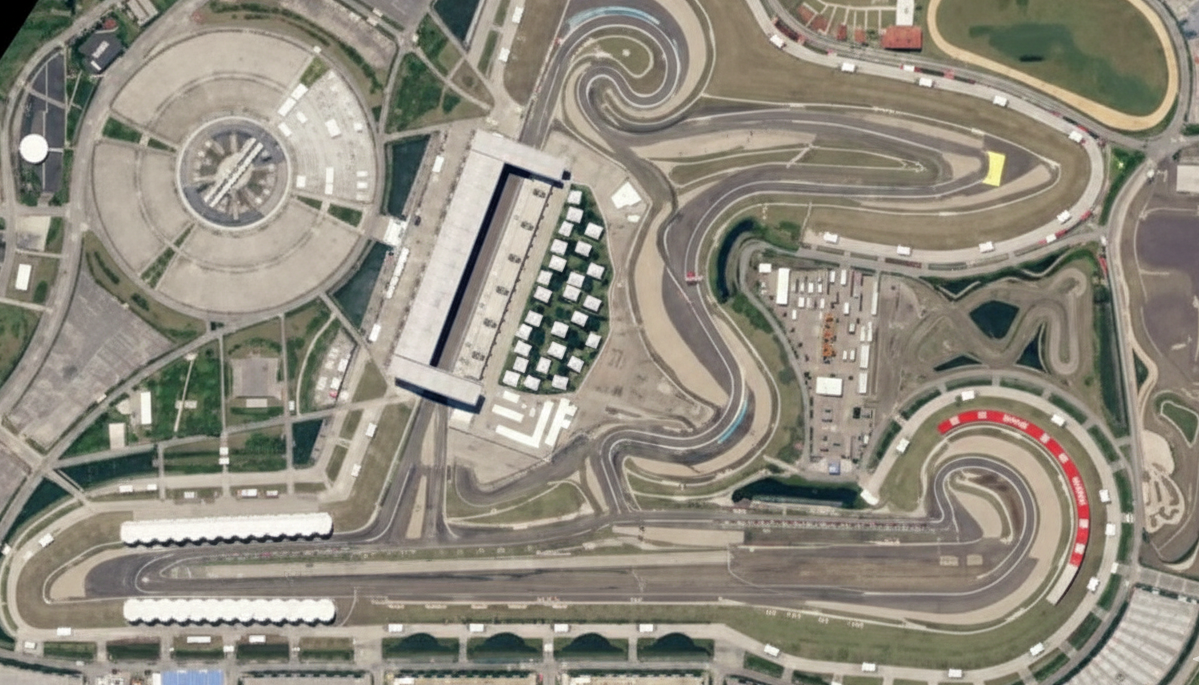
Races mostly happen on city streets, turning everyday roads into electric racing circuits. These tracks challenge drivers with tight corners and short straights, requiring precise energy management. As a result, fans enjoy close and thrilling racing.
Some events use temporary circuits, built specifically for the championship. They allow organizers to design unique layouts that test car performance and driver skill. Additionally, these tracks keep the series fresh and unpredictable.
Compared to traditional racing, its tracks are narrower and shorter, emphasizing strategy over raw speed. Teams focus on battery efficiency, while drivers plan overtakes carefully. Ultimately, the track types define the exciting and strategic nature of the sport.
Formula E Points System
Formula E awards points to drivers based on their finishing position in each race. The top ten finishers earn points, while extra points are given for pole position and fastest lap. This system keeps the championship competitive throughout the season.
In addition, Fan boost can influence race outcomes by giving drivers temporary power boosts. Teams also plan energy use carefully to maximize points. Consequently, strategy plays a key role in winning the title.
Over the years, the point structure has encouraged aggressive but smart racing. Drivers balance speed with battery management, aiming to finish high. Ultimately, the points system makes it exciting for fans and teams alike.
Attack Mode Strategy
Attack Mode gives drivers a short power boost during the race by passing through a designated zone. This forces teams to plan timing and energy use carefully for maximum gain. As a result, races become more strategic and thrilling.
Activating Attack Mode at the right moment allows drivers to overtake competitors or defend their position. Teams analyze track layout and battery levels before deciding. Consequently, Attack Mode adds tactical depth to Formula E racing.
Combined with Fan boost and standard energy strategies, Attack Mode keeps the championship unpredictable and exciting. Moreover, it encourages audiences to watch every lap closely. Ultimately, this feature enhances the overall spectacle of Formula E.
Pit Boost and Energy Strategy
In Formula E, Pit Boosts allow teams to temporarily increase car power during races. Drivers must plan battery usage carefully to avoid running out of energy. As a result, races are not just about speed but also smart strategy.
Teams combine Pit Boost with energy management techniques to gain advantage over rivals. Proper timing can create overtaking opportunities or protect a lead. Consequently, races become more tactical and exciting.
Energy strategy is key in city circuits, where tight corners and short straights demand efficiency. Moreover, careful planning of Pit Boosts ensures drivers finish strong. Ultimately, this adds a layer of strategy that fans love.
Cars and Technology
Formula E cars are fully electric single seaters designed for speed and efficiency. They feature high-performance batteries and lightweight chassis, allowing fast acceleration on city circuits. Consequently, technology plays a crucial role in racing success.
Each car generation introduces improved aerodynamics and power systems. Teams focus on energy recovery and regenerative braking to extend race performance. As a result, races combine sustainability with thrilling competition.
Modern technology also emphasizes safety and innovation. Drivers rely on advanced telemetry for strategy and pit planning. Ultimately, these cars showcase the future of electric motorsport.
Car Generations Overview
Gen1 Cars (Spark Renault SRT 01E)
Gen1 cars marked the start of this with basic battery systems and limited speed. Teams tested electric racing technology and learned about city circuits. This generation laid the foundation for future innovations.
Gen2 Cars (Spark SRT05e)
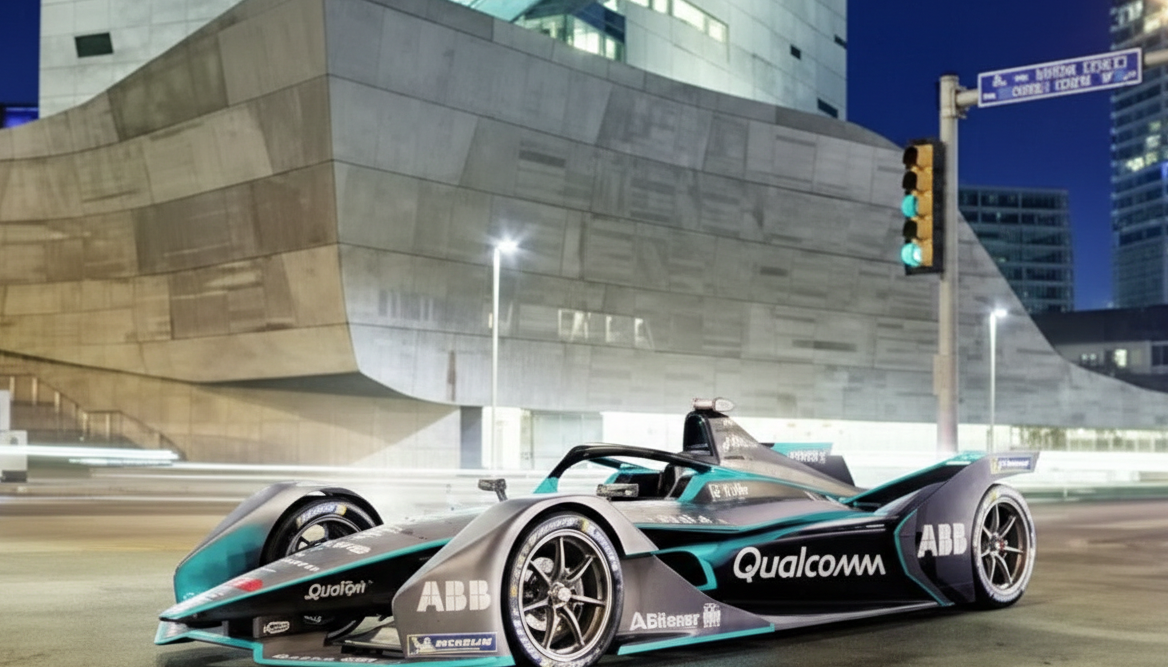
Gen2 introduced longer races and improved battery capacity, removing the need for mid-race car swaps. These cars enhanced performance and reliability, making races faster and more exciting.
Gen3 Cars (2022 TO 2026)
Gen3 cars focus on higher speed and energy efficiency, featuring regenerative braking on both axles. Teams now use advanced strategies to optimize power and performance.
Gen4 Cars (From 2026)
Gen4 promises lighter chassis, more power, and better aerodynamics. It emphasizes sustainability and cutting edge technology, shaping the future of electric motorsport.
Formula E vs Other Motorsport Series
Formula 1 vs Formula E
It focuses on electric cars and city circuits, while Formula 1 uses high speed combustion engines on specialized tracks. Energy management and strategy are more critical in Formula E, making it unique.
Formula E vs NASCAR
NASCAR emphasizes oval tracks and long races, whereas Formula E uses tight street circuits with frequent turns. The electric power train in Formula E adds sustainability and tech innovation to racing.
Formula E vs MotoGP
MotoGP features motorcycles on traditional circuits, prioritizing speed and agility, while It is about electric cars and energy efficiency. Consequently, fans enjoy different racing strategies and excitement.
Formula E vs Junior and Support Series
Support series like the NXT Gen Cup or Jaguar I PACE eTrophy provide development platforms for young drivers. These series share electric racing technology with it but focus on training and skill building.
Safety Measures
Driver Safety Innovations
Formula E cars use advanced safety features like reinforced cockpits and crash structures. These protect drivers during collisions while maintaining high speed performance. Safety technology evolves with each car generation.
Track Safety Standards
City circuits have barriers, runoff zones, and safety marshals to minimize accidents. Organizers plan every track layout to meet FIA safety regulations, keeping both drivers and spectators protected.
Safety Car and Race Control
The safety car is deployed during incidents to control the race pace. Teams adjust energy strategies while waiting, ensuring a fair and safe competition. Overall, race control keeps events efficient and secure.
Esports and Digital Racing
Esports Series
The Formula E Esports Series allows fans and gamers to compete virtually on real circuits. It mirrors real world race strategies and car physics, giving players an authentic experience.
Virtual Racing Competitions
Teams use simulators and digital platforms to train drivers and test setups. These competitions help identify emerging talent while engaging a global audience online.
Support and Development Series
School Series
The FE School Series introduces students to electric Auto racing concepts and sustainable motorsport. It encourages young minds to learn about technology, strategy, and innovation in racing.
Roborace
Roborace is an autonomous racing series connected to Formula E. It showcases self driving car technology and AI integration, highlighting the future of electric and automated racing.
Jaguar I PACE eTrophy
This support series features all electric SUVs competing on Formula E circuits. It emphasizes battery management, car control, and race tactics, preparing drivers for higher levels of electric motorsport.
NXT Gen Cup
The NXT Gen Cup is designed for young drivers to gain experience with electric cars. It focuses on skill development, strategy, and race craft, serving as a pathway to Formula E.
Future of Formula E
Sustainability in Motorsport
It continues to lead in eco friendly racing by promoting electric vehicles and renewable energy. Future innovations will reduce carbon footprint while keeping races exciting.
Technological Advancements
Upcoming car generations will feature lighter chassis, higher power, and smarter energy recovery. Teams will explore AI and data-driven strategies to enhance performance.
Global Expansion
It is expanding to new cities and continents, introducing fans worldwide to electric racing. This growth boosts motorsport popularity and spreads sustainable technology awareness.
Engaging Fans
With features like Fanboost, esports, and interactive content, It aims to keep viewers engaged both online and offline. Innovation ensures that fans experience racing in new ways.
Conclusion
Formula E has transformed electric motorsport with fast cars, city circuits, and innovative technology. Its focus on sustainability, strategy, and fan engagement makes it unique. As the series grows globally, Formula E continues to inspire future racing and electric vehicle innovation.
FAQ
1. What is Formula E?
It is a FIA electric racing championship featuring single seater cars. It races on city circuits and focuses on sustainability and energy management.
2. How does Fanboost work in Formula E?
Fans vote for their favorite drivers before the race. The chosen drivers get a temporary power boost, which helps with overtaking and race strategy.
3. What is Attack Mode in Formula E?
Attack Mode gives drivers extra power during a race by passing through a special zone. It adds strategy and excitement to every lap.
4. How are points awarded in Formula E?
Points are given to the top ten finishers, with extra points for pole position and fastest lap. This keeps the championship competitive throughout the season.
5. What makes Formula E different from Formula 1?
Formula E uses fully electric cars on tight city circuits, while Formula 1 uses combustion engines on traditional tracks. Energy strategy is more important in Formula E.
Leave a Reply