

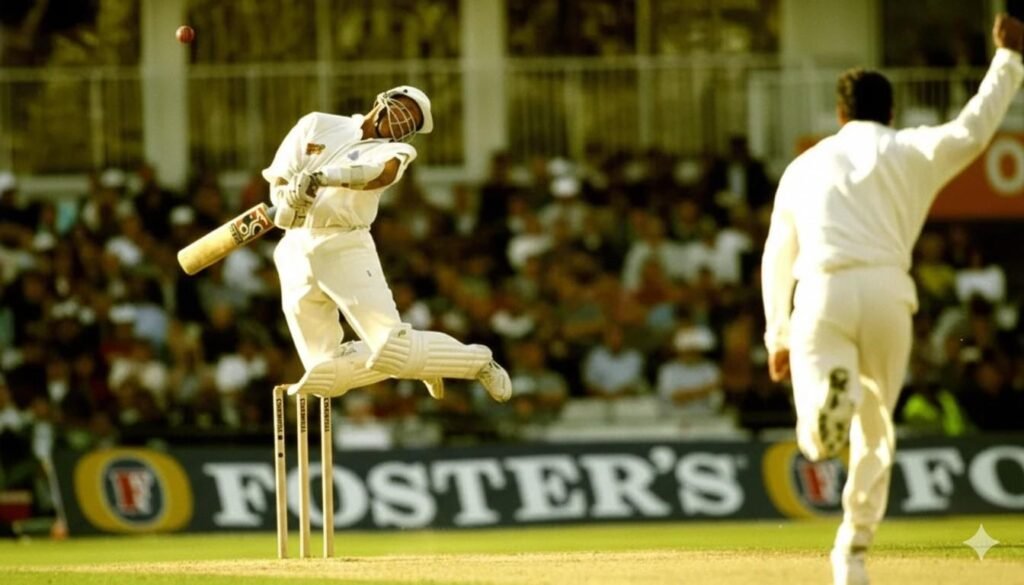
Fast bowling has always been one of the most exciting parts of cricket. Fans love watching fastest bowlers deliver thunder-fast balls that trouble even the best batsmen. Because of this, bowling speed has become a key factor in modern cricket.
Over the years, many legendary fast bowlers have pushed the limits of pace. From classic cricket eras to today’s high-tech matches, speed guns now record the fastest deliveries in cricket history. As a result, fans can clearly compare bowlers from different generations.
However, raw pace alone is not everything in fast bowling. Accuracy, fitness, and control also play an important role in success. Still, the fastest bowlers continue to dominate headlines and remain unforgettable for cricket lovers worldwide.
How Bowling Speed Is Measured in Cricket?
Modern cricket uses advanced technology to measure bowling speed. Broadcasters use speed guns to record how fast the ball travels after release. Therefore, fans can instantly see the pace on their screens.
Earlier, measuring fast bowling speed was not very accurate. However, today’s digital systems provide precise data in both kilometers per hour (kph) and miles per hour (mph). As a result, comparisons between bowlers have become much easier.
Sometimes, a bowler’s fastest delivery in cricket is different from their average pace. This is because one express ball may reach extreme speed during a spell. Still, official records help identify the fastest bowlers in cricket history.
Fastest Bowlers Ever Recorded
New Zealand’s Express Pace Star (156.4 kph)
Shane Bond was one of the most dangerous fast bowlers produced by New Zealand. He could generate extreme bowling speed with a smooth and powerful action. Because of this, top batsmen often struggled against him.
Although injuries affected his career, he delivered his fastest ball at 156.4 kph. As a result, he earned a reputation as an express pace bowler in international cricket. His short spells were often match-changing.
Moreover, Bond combined raw pace with sharp movement off the pitch. This made him effective in both Tests and limited-overs cricket.
Pakistan’s Naturally Fast Bowler (156.4 kph)
Mohammad Sami was known for his natural fast bowling speed and smooth run-up. He could bowl genuinely fast without much effort. Because of this, people often compared him with other fastest bowlers of his time.
However, consistency was a challenge in his career. Still, his fastest delivery in cricket touched 156.4 kph, which placed him among elite pacers. As a result, he remained a constant threat with the new ball.
Moreover, Sami’s ability to generate raw pace helped Pakistan build strong pace attacks. Even though his career had ups and downs, his speed records keep him relevant. He is still remembered as one of Pakistan’s quickest bowlers.
Australia’s Left Arm Thunderbolt (156.8 kph)
Mitchell Johnson was famous for his extreme bowling speed and intimidating short-pitched deliveries. His left-arm fast bowling created fear among the best batsmen. Because of this, he became one of Australia’s most dangerous fastest bowlers.
During the peak of his career, Johnson’s fastest delivery in cricket reached 156.8 kph. As a result, he played a key role in several match-winning spells. His combination of pace and bounce made him very effective.
Moreover, Johnson’s aggressive style required both accuracy and raw pace. He often dominated in high-pressure situations, especially in the Ashes series. This made him a modern pace legend in cricket history.
West Indies’ Slinging Speedster (157.7 kph)

Fidel Edwards was known for his unique slinging action and extreme fast bowling speed. His deliveries were difficult to pick, making him one of the most feared fastest bowlers. Because of this, batsmen often struggled against him.
Edwards’ fastest delivery in cricket reached 157.7 kph, showcasing his raw power. As a result, he became a key figure in West Indies’ pace attack. His speed combined with bounce made him highly effective in Test matches.
Moreover, Edwards used raw pace and aggression to dominate games. His unusual action added unpredictability, which troubled even experienced batsmen. This cemented his place among cricket’s fastest bowlers in history.
The Original West Indies Speed Icon (159.5 kph)
Andy Roberts was one of the first West Indies fast bowlers to combine speed with skill. His raw pace and clever variations made him a nightmare for batsmen. Because of this, he set the standard for future generations of fastest bowlers.
During his career, Roberts’ fastest delivery in cricket reached 159.5 kph, which was exceptional for his era. As a result, he became a key player in West Indies’ dominant pace attack. His speed inspired many young cricketers to follow his path.
Moreover, Roberts’ ability to maintain accuracy under extreme pace made him highly effective. He used both swing and speed to win crucial matches. This is why he remains a legendary pace bowler in cricket history.
Modern Fast Bowling at Its Peak (160.4 kph)
Mitchell Starc is known for his extreme fast bowling speed and deadly yorkers. His combination of raw pace and accuracy makes him one of the most feared fastest bowlers today. Because of this, batsmen often struggle in high-pressure matches.
Starc’s fastest delivery in cricket reached 160.4 kph, showcasing his ability to bowl express pace consistently. As a result, he has been crucial in Australia’s victories in both Tests and ODIs. His speed makes him a constant match-winner.
Moreover, Starc uses pace and swing to dominate batsmen. His ability to perform in all formats highlights his skill as a modern pace bowler. Fans remember him as one of the fastest and most effective bowlers in cricket history.
Australia’s Frightening Express Paceman (160.6 kph)

Jeff Thomson was famous for his extreme fast bowling speed and intimidating raw pace. Batsmen often feared facing him due to his aggressive style. Because of this, he became one of Australia’s most legendary fastest bowlers.
Thomson’s fastest delivery in cricket reached 160.6 kph, which was extraordinary for his era. As a result, he dominated many matches with sheer speed. His unique action and bounce made him extremely difficult to play.
Moreover, Thomson’s combination of pace and bounce ensured he stayed unpredictable. He set new standards for express pace bowling. This is why he remains a memorable pace legend in cricket history.
Australia’s Consistent Speed Machine (160.8 kph)
Brett Lee was known for his consistent fast bowling speed and fitness. His combination of raw pace and accuracy made him one of the most feared fastest bowlers of his generation. Because of this, he played a key role in Australia’s success for years.
Lee’s fastest delivery in cricket reached 160.8 kph, showing his ability to maintain extreme speed. As a result, he became famous for match-winning spells. His fitness and technique allowed him to bowl long, aggressive spells.
Moreover, Lee used pace and swing to trouble batsmen across all formats. He is remembered as one of the most effective and exciting pace bowlers in cricket history. Fans still recall his breathtaking speed on the field.
The Wild Express Bowler (161.1 kph)
Shaun Tait was famous for his extreme fast bowling speed and short, explosive spells. His raw pace often surprised even top batsmen. Because of this, he became one of Australia most feared fastest bowlers.
Tait’s fastest delivery in cricket reached 161.1 kph, making him one of the few to cross 100 mph. As a result, he gained a reputation for being unpredictable and deadly in limited overs. His speed was thrilling for fans and batsmen alike.
Moreover, Tait’s style relied on pace and aggression rather than long spells. This made him effective in short bursts and high-pressure moments. He is still remembered as one of cricket’s fastest and most exciting pace bowlers.
The Fastest Bowler in Cricket History (161.3 kph)

Shoaib Akhtar, a no one fast bowler of the cricket history, also called the Rawalpindi Express, is known for his extreme fast bowling speed. His fastest delivery in cricket reached 161.3 kph, making him the first bowler to cross 100 mph. Because of this, he is regarded as one of the most legendary fastest bowlers ever.
Akhtar combined raw pace and aggression with sharp bouncers to dominate batsmen. His unique ability to bowl express pace consistently made him a match-winner. As a result, he became a global sensation in cricket.
Even today, his legacy inspires young pace bowlers around the world. His record-breaking speed and fearless approach cemented his place among cricket’s fastest bowlers in history. Fans remember him as the ultimate speed king.
Who Bowled Faster in Cricket?
In the old era, fast bowlers relied mostly on raw pace and natural talent. They did not have modern fitness training or speed guns to track their deliveries. Because of this, their exact speed is often estimated rather than officially recorded.
Modern bowlers use technology to measure fast bowling speed accurately. They combine raw pace with fitness, accuracy, and swing. As a result, today’s fastest bowlers can maintain extreme speed consistently over long spells.
Even though old-era bowlers may not have official records, their impact and intimidation were huge. Fans and historians often debate whether they could match today’s express pace. Still, both eras produced legendary pace bowlers remembered for their speed and skill.
Is Extreme Speed Still Effective in Today’s Cricket?
Extreme fast bowling speed can still surprise batsmen, but modern cricket demands more than just pace. Accuracy, swing, and fitness are equally important. Because of this, a bowler who relies only on raw pace may struggle in long formats.
Today’s batsmen are better prepared with protective gear and advanced techniques against fastest bowlers. As a result, bowlers must combine extreme speed with control to remain effective. Without this balance, express pace alone may not win matches.
Still, the thrill of fast bowling excites fans and dominates highlights. When combined with strategy and precision, extreme speed continues to be a powerful weapon. That is why the fastest bowlers remain the most talked-about players in cricket.
Conclusion
The fastest bowlers have always amazed cricket fans with their raw pace and power. Their fastest deliveries in cricket create thrilling moments that are remembered for years. Even in modern cricket, speed combined with accuracy, fitness, and control makes them match-winners. Fans love watching the blend of fast bowling and skill, which can change games in just a few overs.
From legends like Shoaib Akhtar and Brett Lee to modern stars like Mitchell Starc, pace bowlers leave a lasting impact. Their legacy shows that extreme speed is more than just fast balls-it is excitement, fear, and unforgettable cricket history.
FAQ
Q1: Who is the fastest bowler in cricket history?
A: Shoaib Akhtar holds the record as the fastest bowler, with a fastest delivery in cricket reaching 161.3 kph (100.2 mph).
Q2: How is bowling speed measured?
A: Modern cricket uses speed guns and technology to track fast bowling speed in kph or mph.
Q3: Are old-era fast bowlers slower than modern ones?
A: Not necessarily, Old-era fast bowlers relied on raw pace and skill, but exact speeds were not recorded.
Q4: Can extreme speed alone win matches?
A: Extreme fast bowling is effective, but accuracy, swing, and control are equally important in modern cricket.
Q5: Who are the top modern fastest bowlers today?
A: Players like Mitchell Starc, Jofra Archer, and Trent Boult combine fast bowling speed with accuracy and consistency.
Leave a Reply