
International sports look exciting on the surface, but the dark side of international sports is rarely discussed. Fans see trophies and celebrations; however they do not see the problems behind the scenes. This hidden reality raises serious questions about fairness and honesty in global sports.
Moreover, international sports corruption has slowly become part of the system. Many people believe sports are pure, but power and money often control decisions. As a result, the truth about the sports industry remains mostly ignored.
Therefore, understanding the sports industry truth is very important for fans. When people know what really happens, they can demand fair play and transparency. In the end, awareness is the first step toward change.
Match Fixing Scandals That Shook International Sports
Pakistan Cricket Spot-Fixing Scandal (2010)
One of the most famous cricket fixing cases came from Pakistan. Captain Salman Butt, along with Mohammad Asif and Mohammad Amir, fixed no-balls in a Test match against England at Lord’s. As a result, Salman Butt, along with Mohammad Asif and Mohammad Amir, players were banned and jailed, shocking cricket fans worldwide.
South Africa’s Captain Involved in Fixing (2000)

In South Africa, former captain Hansie Cronje admitted taking money from bookmakers to fix matches. This confession destroyed his career and led to a lifetime ban. Because of this, cricket fans realized corruption existed even at the highest level.
Bangladesh Premier League Fixing Case
The Bangladesh Premier League (BPL) also faced fixing issues when player Mohammad Ashraful admitted involvement in spot fixing. Several local players were banned as well. Therefore, trust in domestic T20 leagues was badly affected.
Lebanon National Team Football Scandal (2013)
In football, Lebanese players Ramez Dayoub and Mahmoud El Ali were banned for life for fixing international matches. They played for the Lebanon national team, which made the scandal even more serious. As a result, the country’s football image suffered globally.
Zimbabwe Football “Asiagate” Scandal
Zimbabwe football faced a huge crisis when many players were accused of fixing friendly matches during Asian tours. The scandal involved players from Zimbabwe, and several were suspended. Because of this, African football credibility took a major hit.
Nikolay Davydenko Betting Scandal (Russia)
In 2007, Nikolay Davydenko from Russia, a top-ranked tennis player, was linked to suspicious betting patterns. Although he denied fixing, betting companies flagged the match due to unusual money flow. As a result, tennis authorities started taking match fixing more seriously.
Serbian Player David Savic Case
Later, David Savic from Serbia was banned for life after being found guilty of fixing matches for money. Investigators proved he shared inside information with betting groups. Therefore, his case became a warning for other players.
Corruption in International Sports Organizations
FIFA Bribery Scandal (Global Football)
FIFA faced one of the biggest corruption scandals in sports history. Senior officials accepted millions in bribes for World Cup hosting and media rights. As a result, many top FIFA members were arrested or banned.
Olympics Hosting Corruption (IOC)
The International Olympic Committee (IOC) was accused of unfair bidding deals. Some cities allegedly paid hidden benefits to win hosting rights. Therefore, the Olympics’ image of fair play was badly questioned.
Cricket Board Power Abuse (Multiple Countries)
In international cricket, powerful board members influenced team selection and league contracts. Players with connections often got chances over talented newcomers. Because of this, merit-based cricket suffered in many countries.
African Football Federation Misuse of Funds
In Africa, football officials were accused of misusing development funds. Money meant for players and stadiums was never delivered. As a result, football growth in poor regions slowed down.
Doping and Performance-Enhancing Drugs in International Sports
Lance Armstrong (Cycling, USA)
One of the most famous doping cases involved Lance Armstrong from the USA. He won seven Tour de France titles but was later stripped of all victories for using banned performance-enhancing drugs. As a result, he faced lifetime bans and lost sponsorships, shocking fans worldwide.
Maria Sharapova (Tennis, Russia)
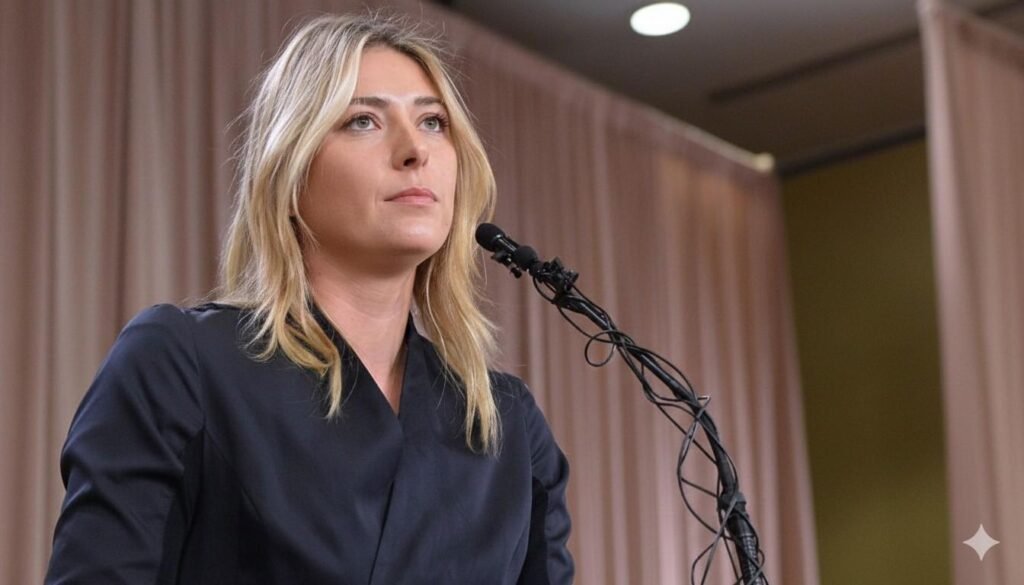
In tennis, Maria Sharapova from Russia tested positive for meldonium in 2016. Although she claimed it was unintentional, she was banned for 15 months. Therefore, her case highlighted how even top athletes can get involved in doping scandals.
Justin Gatlin (Athletics, USA)
Sprinter Justin Gatlin from the USA was banned twice for using steroids. Despite returning to compete at the highest level, his reputation remained tarnished. Because of this, fans and fellow athletes often question performances in track events.
Cycling and Weightlifting Scandals (Global)
Many athletes in cycling and weightlifting, especially from Eastern Europe and China, have been caught using steroids and other banned drugs. Anti-doping agencies continue investigations, revealing that doping is widespread beyond individual cases.
Prithvi Shaw Doping Suspension (India)
Indian opening batsman Prithvi Shaw was banned for eight months by the BCCI in 2019 after testing positive for the banned substance terbutaline during the Syed Mushtaq Ali Trophy. He said he took a cough syrup without knowing it contained the prohibited drug. As a result, Shaw missed nearly a year of cricket and learned how strict anti‑doping rules are in professional sport.
Mental Health Crisis among Professional Athletes
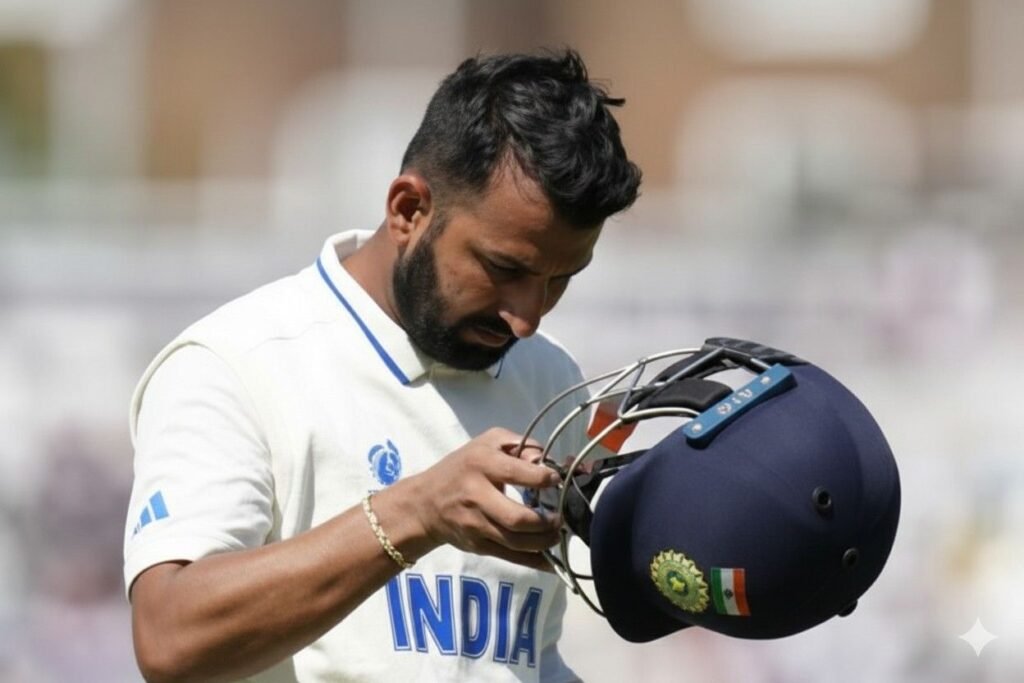
Athletes face enormous pressure to perform, but the mental health of athletes is often ignored. Many experience stress, anxiety, and depression because fans and media expect constant success. As a result, some athletes struggle quietly without support.
In cricket, for example, Cheteshwar Pujara spoke about the mental toll of long tours and constant criticism in India. Players often feel isolated, and mistakes are magnified by social media. Therefore, mental health issues in cricket are becoming more recognized but still need better support.
In football, stars like Andres Iniesta and Mesut Ozil admitted facing anxiety and stress due to public scrutiny and intense schedules. Lower-league players, who earn less, face even more pressure.
Eventennis players like Naomi Osaka from Japan openly withdrew from tournaments to focus on her mental health. Fans were shocked, but this move highlighted that even top athletes are vulnerable to mental stress.
Exploitation of Young Talent in International Sports
Many young athletes face unfair treatment in sports, and the dark side of international sports is visible early in their careers. They are often signed to long contracts with low pay while clubs or federations profit
Incricket, players like Shubman Gill (India) were under immense pressure from a young age to perform in domestic leagues and international matches. Even minor mistakes were criticized heavily. Therefore, early fame can harm confidence and growth.
In football, youth academies in countries like Nigeria and Brazil have been accused of promising opportunities abroad but exploiting young players for money. Many never get proper education or career support
Tennis also shows exploitation in juniors, with young players from Eastern Europe and Asia pressured into constant tournaments for prize money. Coaches often prioritize profit over the athlete’s health. In the end, lack of protection makes young athletes vulnerable to both physical and emotional stress.
Politics and Bias in International Sports

Politics often interfere with sports, showing the dark side of international sports. Countries sometimes use athletes as tools for national image rather than focusing on fair competition.
In cricket, the India Pakistan rivalry has led to cancellations of bilateral series and players missing opportunities due to political tensions. Matches are sometimes influenced by government decisions rather than sporting merit.
In football, Qatar’s 2022 World Cup faced allegations of bias in refereeing and hosting rights controversies. Critics claimed political influence affected decisions and media coverage.
Even the Olympics have seen politics shape sports. For example, the 1980 Moscow Olympics and 1984 Los Angeles Olympics were heavily boycotted due to global politics. Athletes trained for years but missed the chance to compete.
Media Silence and the Untold Truth of Sports
The media often shows only the glamour of sports, hiding the dark side of international sports. Scandals, corruption, and abuse are sometimes ignored because they can hurt sponsorships or viewership.
In cricket, controversies like board favoritism in team selection or minor domestic match-fixing are rarely reported widely. Only major international scandals get attention.
Football also faces selective coverage. For example, the Asiagate scandal in Zimbabwe football received limited media attention outside Africa, even though dozens of players were involved.
Even in tennis, cases involving lower-ranked players fixing matches or struggling financially are barely covered. Media focuses on stars like Federer or Nadal instead.
Can International Sports Become Fair and Transparent?
Many experts believe international sports can improve, but real change is slow. Transparency in sports governance and strict rules are needed to reduce corruption and match-fixing. As a result, fans could trust competitions more.
In cricket, the International Cricket Council (ICC) introduced anti-corruption units and education programs for players. This helps prevent incidents like the 2010 Pakistan spot-fixing scandal. Therefore, rules and monitoring can make cricket fairer.
Football has also tried reforms. FIFA now investigates bribery and financial misconduct more strictly after scandals like the 2015 corruption case. Because of this, some biased practices are being corrected.
Even the Olympics have improved bidding and judging processes to ensure fairness. Independent monitoring and athlete protection programs aim to prevent politics or corruption from affecting results. In the end, accountability, education, and transparency are key to cleaning up international sports.
Conclusion
International sports look glamorous, but behind the scenes, corruption, doping, and mental pressure are common. Fans see only medals and celebrations, however, many athletes face challenges that go unnoticed.
Match-fixing scandals, biased decisions, and exploitation of young talent show that fairness is not guaranteed. Even top athletes in cricket, football, and tennis have been caught in scandals. As a result, the dark side of sports is real and affects trust.
Mental health struggles, media silence, and political interference make the situation worse. Awareness, strict rules, and transparency can help restore faith in sports. In the end, acknowledging these issues is the first step toward change.
FAQs
Q1: What is the dark side of international sports?
The dark side of international sports includes corruption, match-fixing, doping, exploitation of young talent, mental health struggles, and political interference. These issues often remain hidden from fans.
Q2: Which famous athletes were involved in match-fixing?
In cricket, Salman Butt, Mohammad Amir, and Mohammad Asif (Pakistan) were caught in the 2010 spot-fixing scandal. In football, players like Ramez Dayoub and Mahmoud El Ali (Lebanon) were banned for life in 2013 for fixing matches.
Q3: Have any Indian cricket players faced doping bans?
Yes, Prithvi Shaw received an eight-month ban in 2019 after testing positive for the banned substance terbutaline. Other players, like Yusuf Pathan, have also faced short suspensions due to inadvertent doping.
Q4: How does politics affect international sports?
Politics can influence hosting rights, match cancellations, or biased decisions. Examples include the India-Pakistan cricket rivalry and boycotts in the 1980 and 1984 Olympics, which affected athletes’ careers.
Q5: Why are young athletes exploited?
Young athletes are often pressured into long contracts with low pay, forced to compete frequently, and denied education or proper support. This happens in cricket, football, and tennis across multiple countries.
Leave a Reply