Category: Blog

Your blog category

  • BPL  2025–2026 Schedule

    BPL 2025–2026 Schedule

    BPL 2025-2026

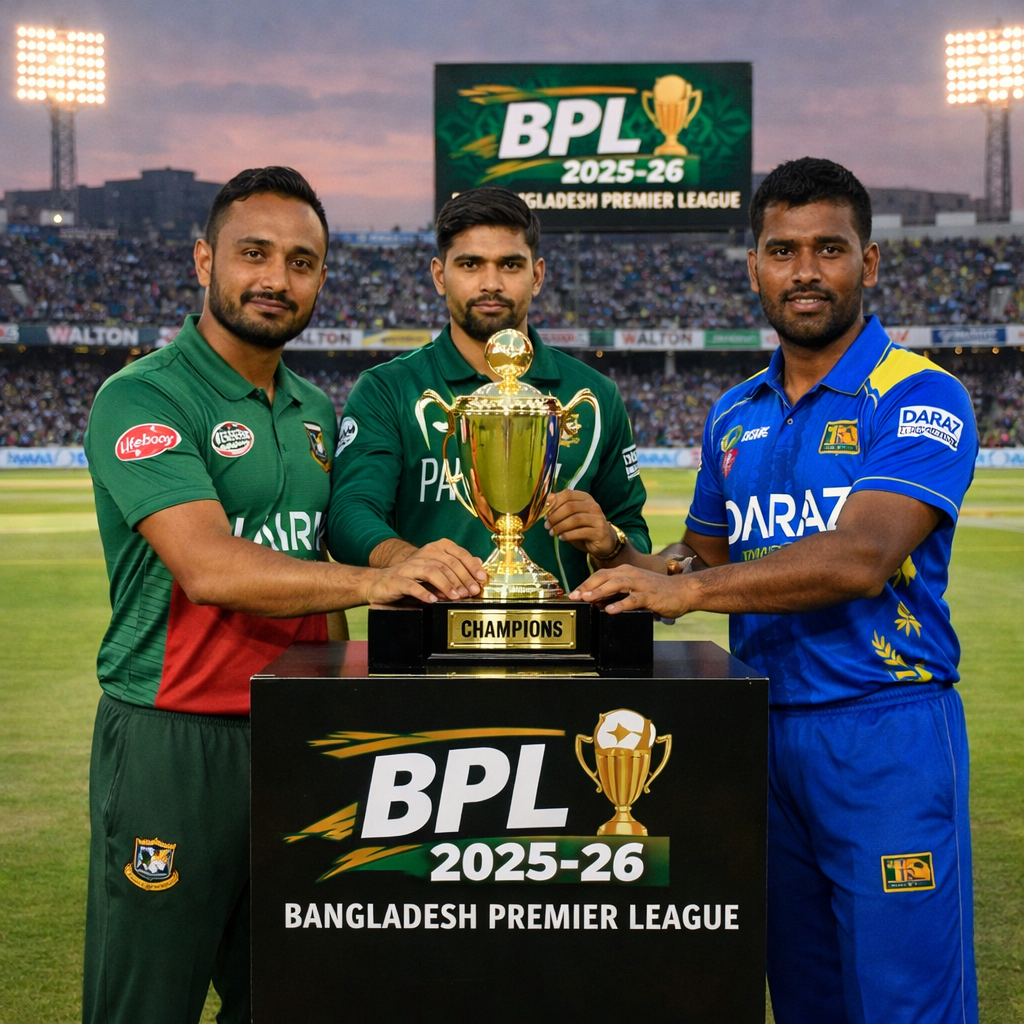
    The Bangladesh Premier League (BPL) 2025-2026 is set to bring another thrilling season of franchise T20 cricket, combining local Bangladeshi talent with star international players from around the world.

    For cricket fans searching for when BPL 2025-26 will start, which teams will participate, which international and Pakistani players are likely to feature, and which cities will host matches, this detailed guide covers everything in simple, professional, and easy-to-read language.

    When Did the Bangladesh Premier League Start

    BPL 2025-2026

    The Bangladesh Premier League was first introduced in 2012 by the Bangladesh Cricket Board (BCB). The goal was to create a professional T20 league similar to the IPL, PSL, and BBL, while also strengthening Bangladesh’s domestic cricket structure.

    Over the years, the BPL has played a major role in developing Bangladeshi cricketers like Shakib Al Hasan, Litton Das, Mustafizur Rahman, and Taskin Ahmed, who later became regulars in international cricket.

    Bangladesh Premier League 2025–26 Start Date & Duration

    The BPL 2025–2026 season is expected to begin in late December 2025 and continue until late January 2026. This window has traditionally suited the league, as it avoids clashes with major ICC tournaments and allows overseas players to participate.

    Expected timeline

    • Start Date: Late December 2025
    • Final Match: Late January 2026
    • Total Duration: Around 4–5 weeks

    The BCB will confirm the official schedule closer to the tournament, and fans can already start preparing for a full month of high-quality T20 action.

    Format of BPL 2025–26

    The Bangladesh Premier League follows a double round-robin league format, where each team plays against every other team twice. The top teams then qualify for the playoffs.

    Tournament Structure

    • League Stage (Home-style neutral venues)
    • Qualifier 1
    • Eliminator
    • Qualifier 2
    • Final

    As a result, this format ensures fairness and also gives teams multiple chances to reach the final; therefore, the competition remains intense until the very last match.

    BPL 2025–26 Teams and Host Cities

    The BPL 2025–2026 is expected to feature six franchise teams, representing major cities of Bangladesh. Each team is closely linked with its local fan base.
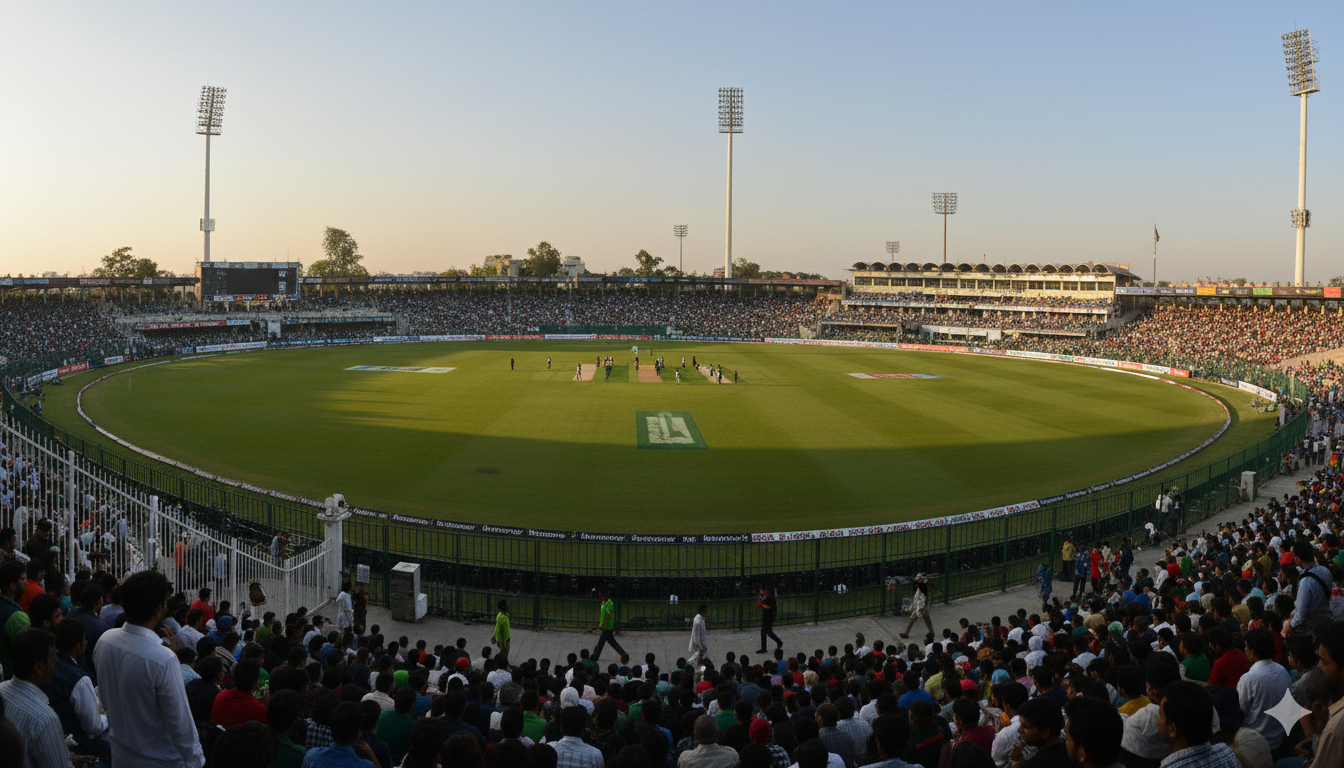
    BPL 2025-2026
    Rangpur Stadium

    Expected Teams & Cities

    1. Dhaka Dominators – Dhaka
    2. Chattogram Challengers – Chattogram
    3. Sylhet Strikers – Sylhet
    4. Fortune Barishal – Barishal
    5. Khulna Tigers – Khulna
    6. Rangpur Riders – Rangpur

    These teams bring regional pride into the tournament and create exciting rivalries that fans eagerly wait for every season.

    Match Venues for BPL 2025–2026

    Matches in the Bangladesh Premier League are usually played in international-standard stadiums across the country.

    Likely Host Stadiums

    • Sher-e-Bangla National Cricket Stadium, Dhaka
    • Zahur Ahmed Chowdhury Stadium, Chattogram
    • Sylhet International Cricket Stadium, Sylhet

    These venues attract packed crowds, offer spin-friendly pitches, and create electrifying atmospheres, especially during night matches.

    International Players in BPL 2025–2026

    BPL 2025-2026

    One of the biggest attractions of the Bangladesh Premier League is the presence of international cricket stars. The BPL consistently attracts players from Australia, England, West Indies, South Africa, Sri Lanka, Afghanistan, and Pakistan.

    Expected International Stars

    • Shakib Al Hasan (Bangladesh – all-rounder)
    • Andre Russell (West Indies – power hitter)
    • Sunil Narine (West Indies – mystery spinner)
    • Alex Hales (England – top-order batter)
    • Thisara Perera (Sri Lanka – all-rounder)
    • Mohammad Nabi (Afghanistan – all-rounder)
    • Sikandar Raza (Zimbabwe – all-rounder)

    International players add experience, entertainment, and global attention to the league, making it more competitive and exciting.

    Will Pakistani Players Play in BPL 2025–2026?
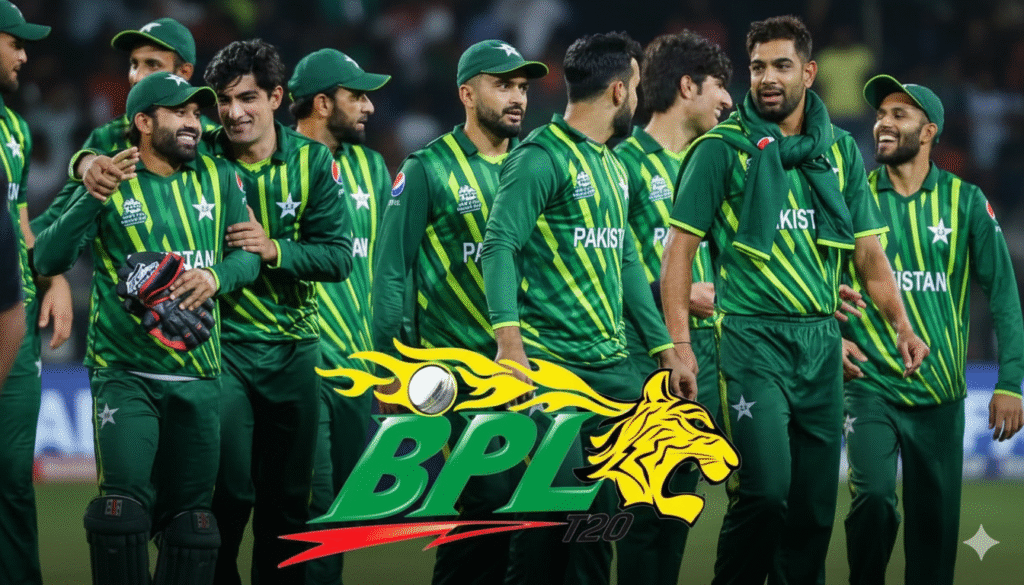
    Pakistani Players

    Yes, Pakistani players are expected to participate in BPL 2025–2026, subject to PCB availability and international schedules. In previous seasons, Pakistani cricketers have performed exceptionally well in the league.

    Likely Pakistani Players in BPL 2025–2026

    • Shoaib Malik – Experienced all-rounder
    • Mohammad Amir – Left-arm fast bowler
    • Iftikhar Ahmed – Middle-order batter
    • Hussain Talat – Batting all-rounder
    • Shahnawaz Dahani – Fast bowler
    • Usman Qadir – Leg-spinner

    Pakistani players are popular among Bangladeshi fans due to their aggressive style and match-winning abilities.

    Local Bangladeshi Stars to Watch

    The backbone of the BPL is local talent. The 2025–26 season will once again highlight Bangladesh’s best cricketers.

    Key Bangladeshi Players

    • Litton Das – Explosive opener
    • Najmul Hossain Shanto – Consistent top-order batter
    • Taskin Ahmed – Fast bowler
    • Mustafizur Rahman – Left-arm cutter specialist
    • Mehidy Hasan Miraz – Spin all-rounder
    • Towhid Hridoy – Young batting talent

    The league also provides a platform for young players to impress national selectors.

    Why BPL 2025–2026 Is Important

    The Bangladesh Premier League is more than just entertainment. It plays a vital role in:

    • Developing young Bangladeshi cricketers
    • Improving domestic cricket standards
    • Giving players exposure to international competition
    • Strengthening Bangladesh’s cricket economy

    For fans, it is a festival of cricket during the winter season.

    Fan Experience & Broadcasting

    BPL matches are broadcast live on television and digital platforms, making it easy for fans worldwide to follow their favorite teams. Stadium tickets are usually affordable, allowing families and young fans to enjoy live cricket.

    Final Thoughts

    The Bangladesh Premier League 2025–26 promises exciting matches, star players, and unforgettable moments. With a strong mix of local heroes, international icons, and Pakistani stars, the upcoming season is expected to be one of the most competitive editions in BPL history.

    Whether you are a casual viewer or a passionate cricket fan, BPL 2025–26 is a tournament you should not miss.

    With growing global attention and improving quality each season, the league continues to strengthen its place among the world’s top T20 competitions.

    For cricket lovers, BPL 2025–2026 will offer entertainment, rivalry, and high‑pressure matches from start to finish.


  • BBL 2025 (Big Bash League 2025 )

    BBL 2025 (Big Bash League 2025 )

    BBL2025

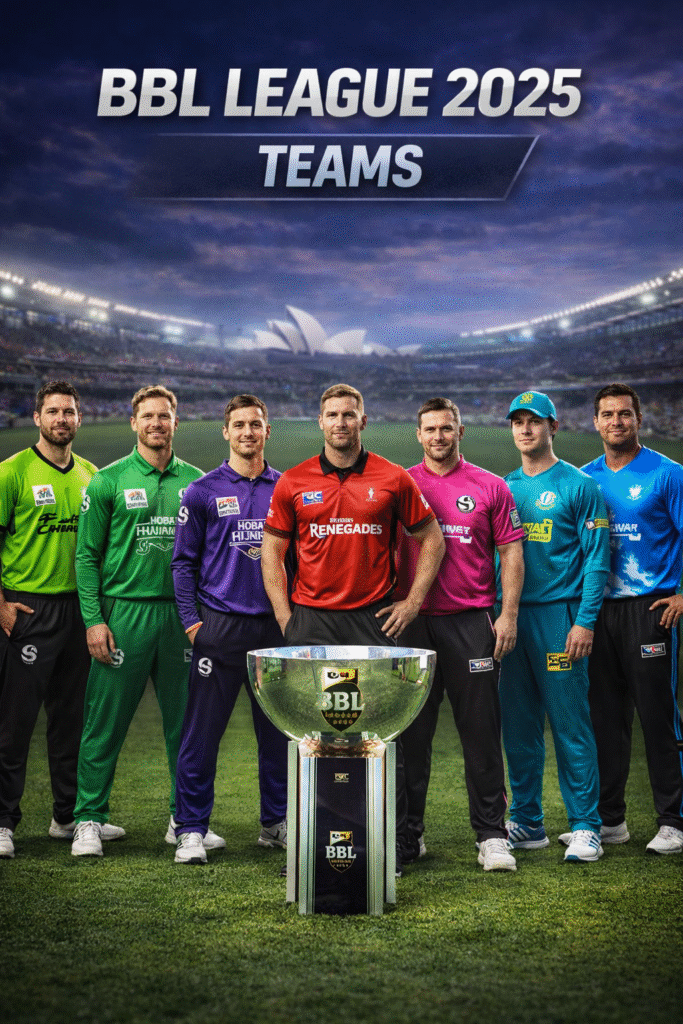
    The Big Bash League 2025 (BBL 2025) is set to be one of the most exciting editions of Australia’s famous Twenty20 cricket tournament. Known for its fast pace, thrilling finishes, and family-friendly entertainment, the Big Bash League has become one of the most popular T20 leagues in the world.

    Fans from Australia, Pakistan, India, England, and many other countries follow the league closely every year.

    BBL 2025 promises explosive batting, high-quality bowling, and intense rivalries played across Australia’s top stadiums. This fully SEO-optimized guide covers everything you need to know about BBL 2025, including its history, match schedule overview, venues, teams, format, and famous players.

    History of the Big Bash League

    The Big Bash League was launched in 2011 by Cricket Australia with the aim of modernizing domestic cricket and attracting new audiences. Before the BBL, Australia had a traditional state-based T20 competition, but it lacked excitement and global appeal.

    Cricket Australia introduced city-based franchises, colorful team branding, night matches, and entertainment features such as music and fireworks. This approach proved highly successful, and within a few seasons, the Big Bash League became one of the most watched T20 leagues worldwide.

    Over the years, the league has produced world-class players and unforgettable moments, making bbl 2025 an important continuation of this successful legacy.

    When Will BBL 2025 Be Played?

    The BBL 2025 season will take place during the Australian summer, starting in mid-December 2025 and continuing until late January 2026.

     Expected dates:

    Start: 14 December 2025

    Final: Late January 2026

    The tournament usually schedules matches almost every day, mostly in the evening, making it easy for fans to watch after work or school.

    Where Will BBL 2025 Matches Be Played? (Venues)

    The Big Bash League 2025 will be hosted across major cities in Australia. Each team plays home matches at its designated stadium, creating a strong home-ground atmosphere.

    Major BBL 2025 Venues

    BBL2025
    SYDNEY STADIUM
    • Optus Stadium, Perth – Home of Perth Scorchers and one of the most modern stadiums in Australia.
    • Melbourne Cricket Ground (MCG) – Australia’s largest stadium, famous for high-attendance matches.
    • Sydney Cricket Ground (SCG) – A historic venue known for exciting night games.
    • The Gabba, Brisbane – A fast-paced ground that favors aggressive cricket.
    • Adelaide Oval – Known for its scenic beauty and strong crowd support.
    • Bellerive Oval, Hobart – Home ground of Hobart Hurricanes.
    • Manuka Oval, Canberra – Hosts selected Big Bash League matches.

    These venues ensure that BBL 2025 reaches fans across the entire country.

    BBL 2025 Teams

    There are eight teams competing in the Big Bash League 2025, each representing a major Australian city.

    1. Adelaide Strikers
    2. Brisbane Heat
    3. Hobart Hurricanes
    4. Melbourne Renegades
    5. Melbourne Stars
    6. Perth Scorchers
    7. Sydney Sixers
    8. Sydney Thunder

    Every team has a loyal fan base and a strong squad, making the competition intense throughout the season.

    BBL 2025 Match Schedule Overview

    The official match-by-match schedule for bbl is usually released closer to the tournament, but the structure remains consistent:

    • Opening Match: Mid-December 2025
    • League Stage: December 2025 – January 2026
    • Finals Series: Late January 2026
    • Final Match: End of January 2026

    Special Match Days

    • Opening Night Clash
    • Boxing Day Matches (26 December)
    • New Year’s Eve and New Year’s Day Matches

    These special dates are among the most watched games of the season.

    Format of Big Bash League 2025

    The BBL 2025 format is designed to keep the competition exciting until the end.

    • League stage matches played in a round-robin format
    • Teams earn points for wins
    • Top teams qualify for the Finals Series

    Finals System

    • Eliminator
    • Qualifier
    • Challenger
    • Final

    This structure ensures that every match has importance and keeps fans engaged.

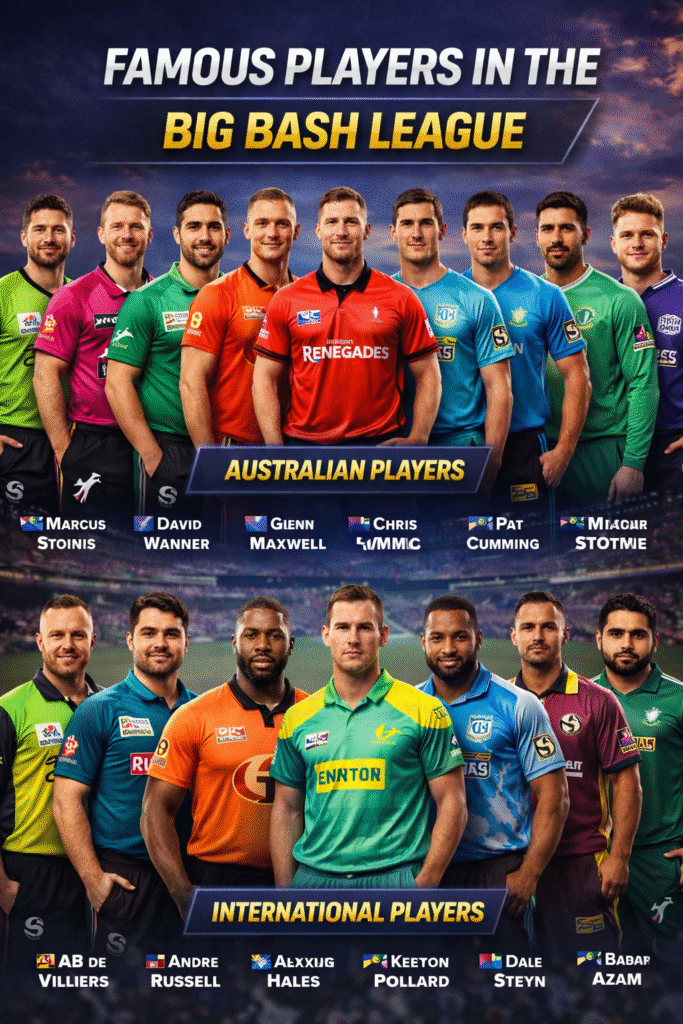
    Famous Players in Big Bash League History

    BBL 2025

    The Big Bash League has featured many of the world’s best cricketers, adding to its popularity.

    Famous Australian Players

    • David Warner – Explosive opening batsman
    • Glenn Maxwell – One of the most entertaining all-rounders
    • Steve Smith – Technically strong and consistent batter
    • Mitchell Starc – One of the fastest bowlers in world cricket
    • Chris Lynn – Known for powerful six-hitting

    Famous International Players

    • AB de Villiers (South Africa)
    • Andre Russell (West Indies)
    • Rashid Khan (Afghanistan)
    • Alex Hales (England)

    Their presence has helped make the league globally recognized

    BBL 2025 and Emerging Cricket Stars

    One of the biggest strengths of the Big Bash League is its focus on young players. Many Australian internationals first gained attention through strong BBL performances.

    BBL 2025 is expected to showcase:

    • Young fast bowlers with raw pace
    • Fearless young batters
    • Athletic fielders and all-rounders

    This makes the league exciting and unpredictable.

    BBL 2025 and Its Role in World Cricket

    The Big Bash League 2025 plays an important role in the global cricket system:

    • It develops future Australian stars
    • It provides entertainment to millions of fans
    • It promotes T20 cricket worldwide
    • It gives international players valuable exposure

    Strong performances in the BBL often lead to international selection.

    How to Watch BBL 2025 Live

    Fans can watch through:

    • Television sports networks
    • Official streaming platforms
    • Mobile apps and digital services

    Live scores, highlights, and expert analysis are widely available online.

    Conclusion

    The Big Bash League 2025 (BBL 2025) is set to deliver another thrilling season of high-quality T20 cricket. With its strong history, competitive teams, famous players, and iconic venues, BBL 2025 will once again capture the attention of cricket fans around the world.

    If you enjoy fast-paced cricket, exciting finishes, and world-class entertainment, BBL 2025 is a tournament you should not miss.

  • Cristiano Ronaldo: CR7 Legacy

    Cristiano Ronaldo: CR7 Legacy

    Cristiano Ronaldo: Life & Legacy

    Cristiano Ronaldo

    Cristiano Ronaldo dos Santos Aveiro was born on February 5, 1985, in Funchal, Madeira, Portugal. He grew up in a modest household as the youngest of four children. His father worked as a kit man at a local football club, while his mother worked as a cook and cleaner to support the family.

    Life was not easy. Financial struggles shaped Ronaldo’s childhood, but football became his escape. From a very young age, his passion for the game was evident. He spent countless hours playing football in the streets, dreaming of one day becoming a professional player.

    At just 12 years old, Ronaldo made a life-changing decision by leaving his family to join Sporting CP’s academy in Lisbon. This move marked the true beginning of his journey as a professional footballer

    Rise as a Professional Footballer

    Ronaldo’s breakthrough came when he impressed scouts with his speed, skills, and confidence. In 2003, his talent caught the attention of Sir Alex Ferguson, leading to a transfer to Manchester United.

    Cristiano Ronaldo

    At Manchester United, Ronaldo evolved from a talented winger into a complete player. Under Ferguson’s guidance, he won:

    • Three Premier League titles
    • One UEFA Champions League
    • His first Ballon d’Or (2008)

    His explosive pace, step overs, free kicks, and goal-scoring ability made him one of the most exciting players in the world.

    Global Stardom at Real Madrid

    In 2009, Cristiano Ronaldo joined Real Madrid for a then-record transfer fee. This move elevated him to legendary status. At Madrid, Ronaldo reached the peak of his footballing powers.

    He became the club’s all-time leading scorer and won:

    • Four Champions League titles
    • Multiple La Liga trophies
    • Four Ballon d’Or awards during his time at the club

    Ronaldo’s rivalry with Lionel Messi defined an entire football era, pushing both players to extraordinary heights. His dedication to fitness, mental strength, and continuous improvement set new standards in professional sports.

    Leadership and International Success

    Ronaldo’s influence extended to international football. As captain of Portugal, he led his nation to historic achievements, including:

    • UEFA Euro 2016 victory
    • UEFA Nations League 2019

    These victories cemented his status as a national hero. Ronaldo proved that leadership is not just about talent but also about belief, resilience, and responsibility.

    Cristiano Ronaldo as a Social Activist

    Beyond football, Ronaldo is widely respected for his humanitarian efforts. He has consistently used his fame to support social causes, making him one of the most influential athlete-activists in the world.

    Cristiano Ronaldo

    He has donated millions to:

    • Children’s hospitals
    • Disaster relief programs
    • Cancer research
    • Education initiatives

    Ronaldo also serves as a global ambassador for several charitable organizations. Notably, he has:

    • Paid for medical treatments of critically ill children
    • Auctioned personal awards for charity
    • Supported refugees and underprivileged communities

    His generosity often goes unnoticed because he prefers action over publicity. This side of Ronaldo highlights his compassion and sense of responsibility as a global figure.

    Digital Era: Cristiano Ronaldo on YouTube and Social Media

    Cristiano Ronaldo is also a digital powerhouse. With hundreds of millions of followers across platforms, he is the most-followed athlete on social media.

    Cristiano Ronaldo

    His YouTube channel offers fans exclusive insights into:

    • Training routines
    • Match day preparation
    • Personal moments
    • Brand collaborations

    The channel reflects Ronaldo’s  understanding of modern media and personal branding. He uses digital platforms not just for promotion but also to inspire young athletes worldwide. His online presence bridges the gap between fans and his real-life journey.

    Business Ventures and Brand CR7

    Cristiano Ronaldo

    Ronaldo has successfully built a global brand known as CR7. His business empire includes:

    • Fashion and footwear
    • Fragrances
    • Hotels and fitness centers

    These ventures show Ronaldo’s intelligence beyond the pitch. He has carefully transformed his name into a symbol of excellence, discipline, and luxury.

    He has also invested in digital media, endorsements, and health-focused products, expanding CR7’s reach across multiple global markets.
    Through strategic partnerships and smart branding, Ronaldo has ensured long-term financial success and influence far beyond his football career.

    Personal Life and Family

    Cristiano Ronaldo is a dedicated family man. He often shares moments with his children and partner, emphasizing the importance of family values in his life.

    Despite his global fame, Ronaldo maintains strong ties with his mother and siblings. He credits his mother as a major influence in his success, often acknowledging her sacrifices.

    Ronaldo’s personal life reflects balance. He follows a strict lifestyle focused on:

    • Nutrition
    • Fitness
    • Mental discipline

    This commitment has allowed him to compete at the highest level even as he ages, proving that longevity comes from discipline and focus.

    Mental Strength and Work Ethic

    One of Ronaldo’s most defining traits is his mentality. His success is built on:

    • Relentless work ethic
    • Self-belief
    • Continuous improvement

    He is known for being the first to arrive at training and the last to leave. This mindset separates him from others and serves as a blueprint for aspiring athletes.

    Ronaldo constantly sets higher standards for himself, refusing to settle even after achieving greatness.
    His mental toughness allows him to perform under pressure and turn challenges into motivation for success.

    Legacy and Influence

    Cristiano Ronaldo’s legacy is not limited to goals and trophies. He represents:

    • Determination
    • Resilience
    • Leadership
    • Global influence

    Millions of young players look up to him as a role model. His journey proves that talent alone is not enough discipline, sacrifice, and belief are equally important.

    Beyond football, Ronaldo has inspired a generation to dream big and work relentlessly toward their goals.
    His commitment to fitness, professionalism, and self-improvement has redefined modern athletic standards.
    As a global icon, his influence extends into culture, business, and philanthropy, leaving a lasting impact on and off the pitch.

    Conclusion

    The story of Cristiano Ronaldo’s life and career is a story of transformation. From a poor boy in Madeira to a football legend, social activist, and digital icon, Ronaldo has redefined what it means to be a modern athlete.

    His influence spans sports, society, and digital media. Whether on the pitch, in charity work, or on YouTube, Ronaldo continues to inspire generations across the world.

    Cristiano Ronaldo is not just remembered for what he achieved but for how he achieved it.

  • Olympics 2028 Rising Stars

    Olympics 2028 Rising Stars

    Emerging Athletes to Watch at the LA28 Games

    olympics

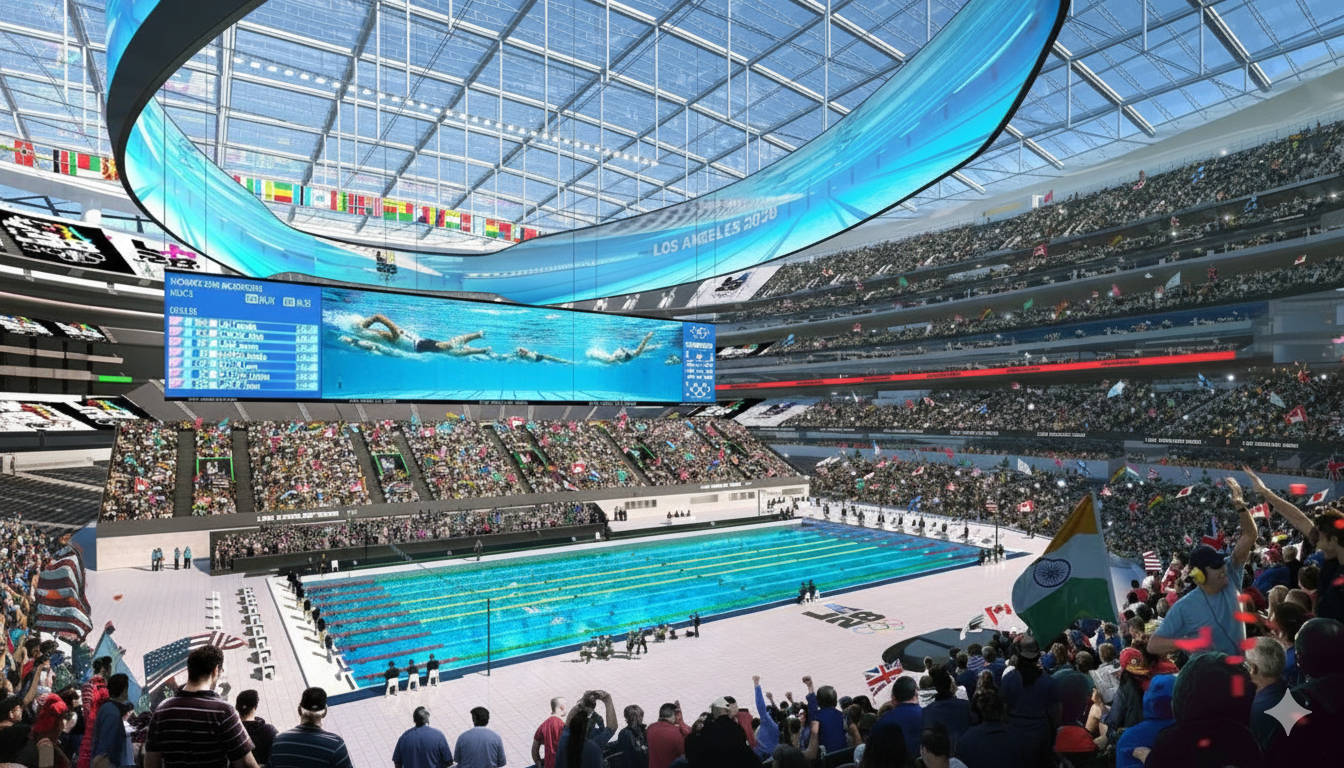
    As the world gears up for the 2028 Summer Olympics in Los Angeles, attention is not only on veteran champions returning for another run-but increasingly on a new generation of athletes rising fast, hungry to make Olympic history.

    These athletes are found across continents and disciplines-from the swimming pool to the track, gymnastics mat, and emerging sports that have been added recently into the Olympic program.

    Herein, we highlight a few of the most promising rising stars, whose talent and discipline, coupled with recent achievements, place them among the most likely to shine at LA28. Their stories weave through global diversity, youth ambition, and the changing face of the Olympic Movement.

    Rising Swim Stars: Speed & Olympic Glory

    Swimming remains a cornerstone of the Summer Olympics, and LA28 is set to showcase a new generation of elite talent. Young swimmers are already redefining speed, technique, and mental strength on the global stage.

    Olympics

    Summer McIntosh, just 18, has emerged as a world-class swimming prodigy. Calm under pressure and technically exceptional, she has proven capable of winning medals and challenging world records.

    France’s Léon Marchand, around 20 years old, is a rising medley star known for his endurance, versatility, and race intelligence. Romania’s David Popovici, also 20, combines smooth technique with rare composure, making him a major threat in the 100m and 200m freestyle.

    Together, these athletes signal a generational shift that could redefine competitive swimming at LA28.

    Track & Field Rising Stars: Young Sprinters to Watch

    Many young athletes, especially sprinters, are already preparing for the 2028 Olympic Games. Although predicting success years in advance is difficult, several rising stars have earned global recognition through strong performances at youth, junior, and early senior levels.

    Olympics

    This new generation of sprinters could challenge established stars with their raw speed, powerful finishes, and growing competitive experience. Their youth gives them an edge, along with the motivation and opportunity to chase Olympic gold.

    Beyond sprinting, events like mixed-gender relays at the LA28 Olympics may spotlight fresh talent. These competitions could produce surprise medalists and introduce new faces on the Olympic platform.

    Youth in Motion: Gymnastics, Climbing & New Olympic Sports

    Sports continue to evolve alongside the Olympic Games, and LA28 will showcase new and reformed events designed to be more dynamic, youth-focused, and visually engaging. These changes create opportunities for young athletes who bring energy, confidence, and a fearless competitive spirit.

    olympics

    Gymnastics is a key example where young talent can rise quickly through natural ability, discipline, and maturity. With expanded categories and mixed-gender events at LA28, young gymnasts will have more chances than ever to make a lasting impact.

    These events reward creativity, agility, and adaptability, allowing emerging athletes to stand out early in their international careers.

    Overall, LA28 reflects a balance of tradition and innovation, highlighting how the Olympics are embracing modern sports culture. This shift supports a new generation of athletes and connects the Games more closely with younger, diverse global audiences.

    New & Returning Olympic Sports: Pathways for Rising Stars

    The 2028 Olympic Games will feature an expanded program with more sports and higher levels of competition, creating new opportunities for rising athletes to win their first Olympic medals.

    olympics

    Boxing will return to the Olympics after its reorganization, giving young fighters a global stage to showcase their talent.

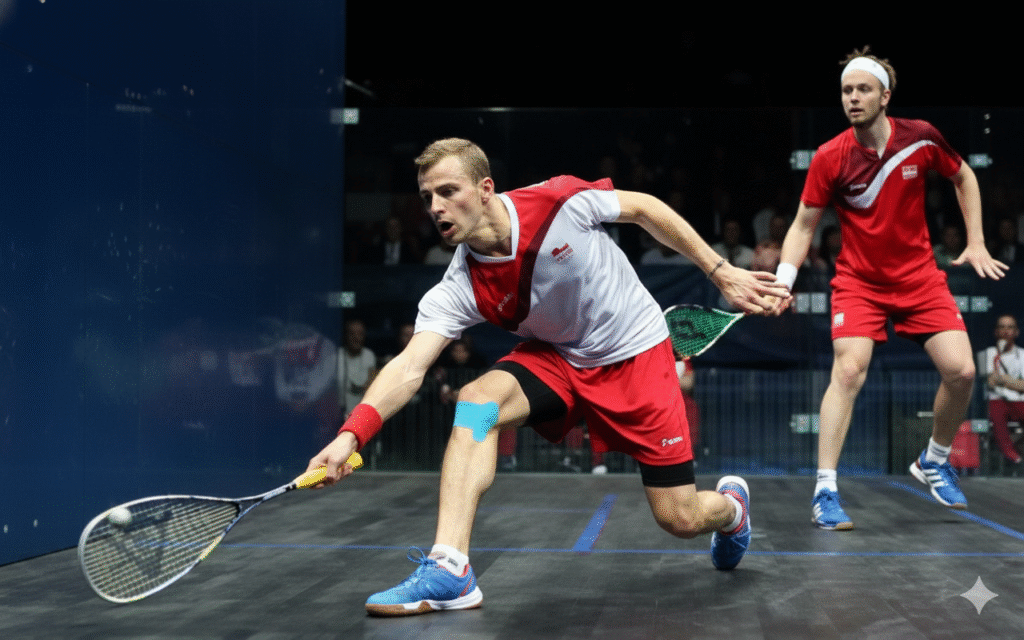
    Squash will make its long-awaited Olympic debut, opening doors for junior and emerging players, especially from nations with strong squash traditions.

    There is also growing discussion about introducing cricket in the T20 format, which could allow young cricketers to become their country’s first Olympic champions

    Spotlight: Prospective Young Medal‑Contenders

    Here are few individual names and areas that analysts and insiders highlight as probable standout athletes for LA28. While nothing is certain injuries, selection, form fluctuations all factor in these candidates illustrate the global breadth of emerging talent.

    Swimming & Water Sports

    • Summer McIntosh (Canada)  already a world champion and world-class medal contender.
    • Léon Marchand (France) medley specialist turned versatile swimmer aiming for multiple events.
    • David Popovici (Romania) sprint‑freestyle prodigy with potential to challenge top names globally.

    Track & Field / Athletics

    • Several teenage or early‑20s sprinters and relay team hopefuls globally while names shift rapidly, experts expect the younger generation to usher in new national and Olympic record contenders by 2028.

    Combat & Strength Sports

    • Young upcoming boxers and weightlifters worldwide may benefit from the renewed presence of boxing at LA28. The reset in organizational oversight also offers a fairer, more transparent path for rising talent.

    Racquet & Court Sports (New/Returning Sports)

    Emerging squash players from traditional and non-traditional squash nations: with Olympic debut at LA28, they carry hopes of becoming first-time Olympic medallists.
    • Emerging squash players from traditional and non-traditional squash nations: with Olympic debut at LA28, they carry hopes of becoming first-time Olympic medallists.
    • Cricket hopefuls from cricket‑loving nations: with potential inclusion, new names will emerge, offering a generational breakthrough for younger cricketers.

    Global Youth & Diversity: Shaping a More Inclusive Olympics

    The Olympic Games continue to evolve, and by 2028 the diversity of athletes competing is expected to grow even further. Globalization, better training facilities, and wider talent scouting are expanding the worldwide athlete pool.

    More emerging athletes now come from regions with limited past Olympic presence, including Asia, Africa, South America, and the Middle East. Grassroots programs, improved coaching, and greater media exposure have played a key role in their development.

    For many, LA28 represents more than personal success it marks a historic moment for their nations. This growing inclusiveness reflects a more balanced and global Olympic movement.

    Youth Power: A More Global Olympics

    Emerging athletes heading into LA28 face significant challenges despite their talent, especially due to limited experience under intense Olympic pressure.

    Beyond physical skills, these athletes must build strong support systems, including quality coaching, mental health care, and injury prevention. Such structures help them manage pressure and perform consistently at elite levels.

    Developing resilience, discipline, and focus is essential for long-term success. Commitment to the journey toward LA28 is just as important as results on the Olympic stage.

    LA28: Dawn of a New Olympic Era

    LA28 will be more than a traditional Olympic Games, featuring expanded sports, new disciplines, and youth-focused events that could redefine the modern Olympics. These changes are set to inspire a new generation of global athletic talent.

    Greater participation from younger athletes and diverse nations may democratize Olympic success. Medals could be shared more widely, giving lesser-known countries moments of pride on the world stage.

    This youth-driven, inclusive approach may boost global investment in sports infrastructure. It will encourage young people to engage in athletics and help the Olympics unite cultures through sport.

    Tracking the Road to LA28

    As fans, sports journalists, or aspiring athletes, here’s how you can track and engage with these emerging talents in the run-up to 2028:

    •   Follow major championships – Watch World Championships, Junior Championships, and Continental Cups to spot future Olympic contenders early.
    • Track youth and U23 events -Young athletes often develop into world-class competitors by 2028.
    • Monitor national trials – Selection events reveal rising talent as qualification processes begin.
    • Support emerging sports – New or returning Olympic sports like squash and cricket may produce surprise stars.
    • Engage on social media – Following athlete’s online offers insight into their training, challenges, and growth.

    By staying engaged, you can witness the transition of hopefuls into potential Olympic stars offering a front row seat to the birth of future legends.

    Final Thoughts

    Los Angeles will host the 2028 Summer Olympics, offering a major platform for a new generation of athletes to redefine excellence and inspire a global audience.

    Young competitors, supported by modern infrastructure and global opportunities, will arrive with ambition and purpose. Athletes from both traditional powers and emerging nations will compete not only for medals, but to create lasting legacies.

    As LA28 approaches, excitement will grow worldwide, setting the stage for the rise of future Olympic champions.

  • Champion’s Winning Journey

    Champion’s Winning Journey

    The Journey to Becoming a Champion

    Champion

    In sports, business, academics, or any area of life, the word “champion” has a strong meaning. A champion is not just someone who wins a medal, trophy, or title.

    A champion consistently performs at the highest level, overcomes challenges, inspires others, and leaves a lasting legacy. But what really makes a champion? Is it talent, hard training, mental toughness, or something else? This article looks at the qualities, habits, mindset, and situations that define a champion.

    It offers a clear understanding of what it takes to achieve greatness.

    Talent and Skill

    The single most ideal thing a champion has is talent. The natural advantage is an initial one, but talent does not produce continual success.

    There is also a genetic predisposition that individuals possess to perform exceptionally well in some areas (for example, strength, agility or hand-eye coordination in sports). However, talent must also be developed through hard training and devotion.

    To improve skills, we must work at it consistently. Champions put in thousands of hours working on their skills, learning how to improve strategies and analyzing mistakes. For example, tennis and soccer have many naturally gifted athletes, but they must continuously work at improving their footwork, body position, timing, and strategy.

    Ultimately, talent provides the starting point, but skill development through continuous effort is what separates good athletes or professionals from champions.

    Work Ethic and Discipline

    Talent is not all that defines a champion; it’s their discipline and work ethic that make them champions. They are committed to their training schedule and sacrifice their comfort, leisure, and sometimes even their social life to train consistently every day.

    They know that if they continue to make small improvements every day, in time the compounding effect will be exponential.

    Michael Jordan is an example of this principle. He was an exceptionally talented athlete, but his work ethic kept him training harder outside of the team practices than any other player in the NBA at the time. This was one of the reasons he became one of the greatest basketball players of all time. Discipline is what changes a person’s talent into mastery.

    Mental Toughness

    A champion’s strength comes from the mind as well as the body. Mental fortitude or Toughness helps one stay focused in times of difficulty, disappointment and pressure. A champion has great resilience, confidence and can operate well under pressure.

    Mental Toughness consists of multiple traits:

    • Resilience: The capacity to bounce back after failure or mistake and carry forward toward your goal
    • Focusing: The ability to concentrate on what you are doing and eliminate distractions and negative thoughts.
    • Confidence: The faith you have in yourself when something matters most.
    • Emotional Control: The capability to control fear, frustration and/or pressure.
    Champion

    Consider the example of Serena Williams. Her mental strength over many years, the ability to recover from injuries, and perform at an elite level for so long illustrate the difference that Mental Toughness makes in being a good athlete versus a Champion.

    Goal Setting and Vision

    Champions set short-term and long-term goals and focus their time and energy on reaching those goals. Setting clear goals helps to give us a sense of direction and motivation, as well as a way to measure our progress.

    Without clear goals, the potential for success from all of the talent and hard work put into practice will not be as focused, and therefore will result in inconsistent levels of performance.

    When goal setting, we must use specific goals, realistic ones, and be adaptable in order to reach the ultimate goal(s) of winning.

    Champion

    Champions frequently break large goals down into smaller and more manageable “sub-goals”. For example, an Elite marathon runner that wants to win the prestigious “London Marathon” may set many “sub-goals” that include weekly mileage, “Personal Best Times”, and several endurance levels.

    Adaptability and Learning

    Being able to change is part of being a winning person. Winning isn’t done the same way every single time. Winning requires you to change how you do things whenever you have a setback, an injury, face competition, or encounter different conditions.

    Champions continually learn new ways to do things, fix mistakes, learn from their competition, and use new technology or procedures to stay competitive.

    To be adaptable, learn from:

    • Mistakes – learn why you made a mistake and what you can do to improve yourself.
    • Competitors – watch other people perform and take what works and add it to your own game plan.
    • New Technology or Methods – use new technology and methods to stay competitive.

    In sports like football and basketball, winning teams change their style of play based on who they’re playing against and what type of game they’re playing in.

    Passion and Commitment

    Champion

    Passion drives us to perform at our best. When we lack passion, even great effort feels exhausting and leads to frustration instead of success.

    Champions have such passion for their sport that it makes them work harder than what is expected of them.

    Due to passion, athletes can maintain motivation through difficult times and continue to persist. They will also find enjoyment in the process of competing besides just the end result.

    Passion is enhanced by commitment, which gives it a framework within which to operate. The more committed an athlete is to their sport, the more successful they will be.

    Support System and Mentorship

    Most champions have a lot of help from the people in their lives (friends, family, PT, coach, etc.). Many of these people serve as mentors and are essential for helping to motivate, guide them along, and provide resources.

    Mentors are the ones who share their personal experiences with the champion and allow the champion to learn faster from their challenges.

    Champion Consistency Over Time

    A champion has a consistent ability to perform. A champion has performed well many times. Therefore, consistent ability distinguishes champions from just winners.

    A champion has the ability to perform consistently due to its combined talent, discipline, mental toughness, and ability to adapt at all times. Champions are credible.

    Champion

     Teammates trust that whatever they do will work effectively in the context of executing strategy. Businesses and schools rely upon consistent output as proof that an organization has trustworthiness and expertise in its field

    Handling Pressure and Expectations

    Champion

    Working Under Pressure – Champions are used to performing under pressure due to competition stress, media attention, and their self-expectations.

    People may become overwhelmed by high-stakes situations, but champions tend to excel when faced with these conditions. They learn how to stay calm, maintain focus, and perform well despite all the factors outside of their control.

    Some examples of techniques for working under pressure include controlled breathing, visualization, positive self-talk, and routine preparation.

    Champions view pressure as a motivator, not a threat. Champions handle media pressure by turning criticism into constructive feedback that helps improve their performance.

    The Champion’s Consistency Over Time

    Winning isn’t everything about who is a true champion, the way they behave and act when they win are just as important as how many times they win. With good sportsmanship, the true champion earns their success in a manner that earns them admiration not jealousy or resentment.

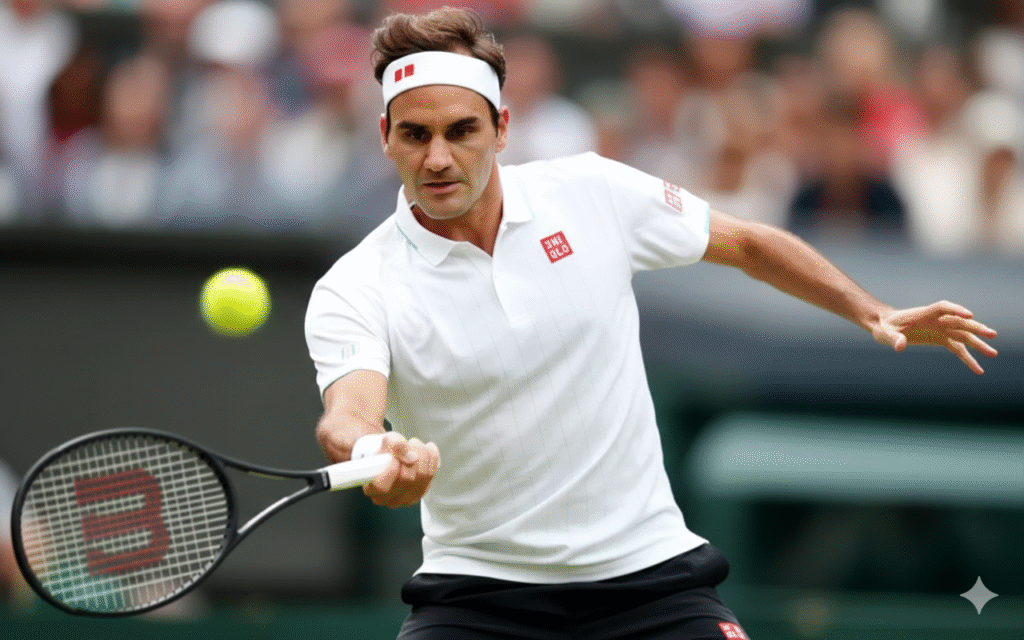
     The legendary champions of sport will be remembered as much for their character as they will be for their ability. Roger Federer is one prime example of a champion that has earned great respect by treating his competitors with Class.

    Jackie Robinson is another champion that not only broke down the barriers of Race but also did it with Class and Dignity

    Overcoming Adversity

    Champion’s face many challenges such as injury, personal, social and economic barriers and competition. Many people give up when faced with these obstacles, but the ability to endure through them sets the champion apart.

    To overcome these obstacles, champions often draw upon their Resilience, Creativity and Determination.

    Cricket is generally a safe sport, but rare fatal injuries have occurred, such as Phillip Hughes, who died in 2014 after being hit by a bouncer, and Raman Lamba, who died in 1998 after a head injury during practice.

    One story of overcoming such adversity would be that of Bethany Hamilton, a professional surfer who lost an arm to a shark attack and successfully returned to competition and continued to excel in surfing.

    The lessons learned through overcoming adversity are the same lessons that define champions.

    Legacy and Impact

    Champions leave a legacy that endures after they retire as champions. Many Champions Mentor young athletes and support the growth of their sport while also advocating for social change, demonstrating self-discipline and resiliency as well as Good Character by example to motivate others to pursue perfection.

    Champion

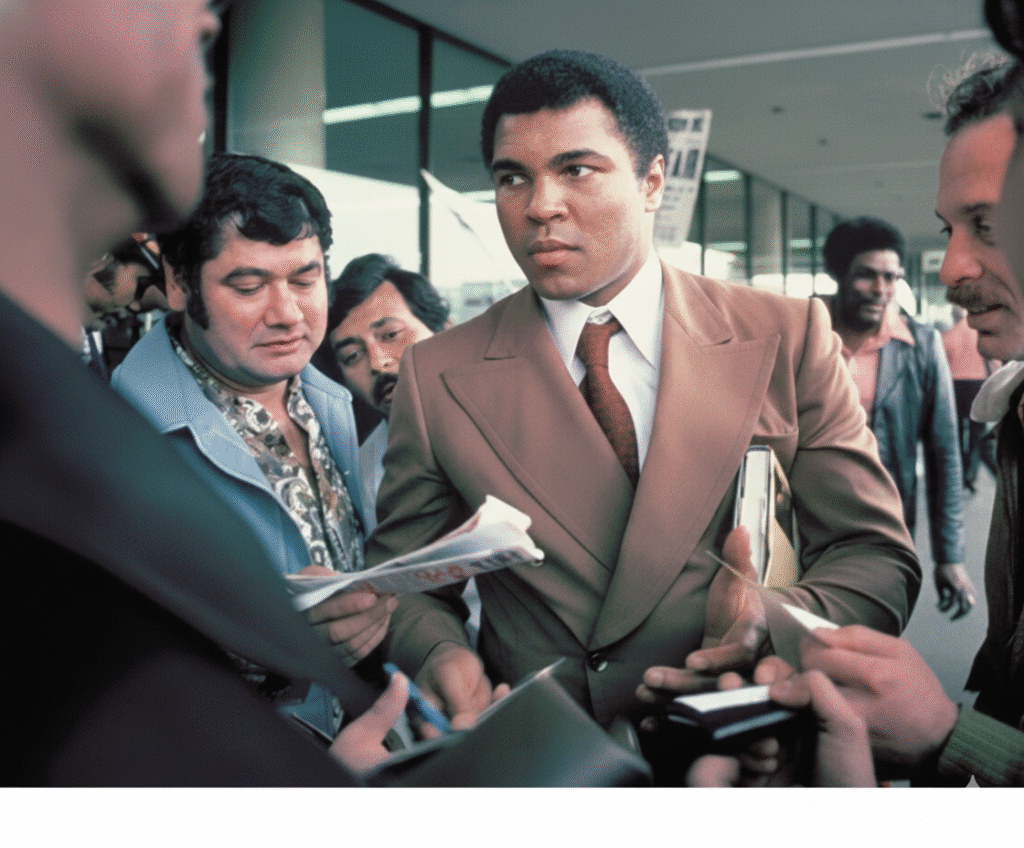
    Such examples are present by all champions including Muhammad Ali who was not only a Champion Boxer but also impacted and influenced Society through his work in Civil Rights. Due to his amazing accomplishments both on and off the field, many women like Serena Williams have inspired future generations to become involved in atheltics and support their communities..

    Conclusion

    Championship is about setting goals while remaining consistent under pressure and encouraging others through one’s actions. Greatness comes from developing as a whole (physically, mentally) through determination, hard work, and commitment to achieving one’s true potential.

    Every champion must sacrifice, and to become a champion requires developing both skill and a positive attitude; through incredibly difficult times, all champions have been focused and driven, making sure that they have faith in themselves and their abilities.

    Champions can only achieve greatness by demonstrating these three qualities: integrity, effort, and belief in themselves.

  • The Evolution of the Game

    The Evolution of the Game

    History to Modern Sports

    Sports

    Sports have always been important to people as they provide entertainment, measure physical strength, express cultural identity, educate people about discipline and unity, and serve as avenues for competition.

    Although the competitive nature of sport has remained unchanged, we have seen dramatic changes in sports over time. The sport we enjoy today either at giant stadiums or through digital streaming was developed through thousands of years of evolution.

    By understanding the evolution of sports, we will see not only how the game has changed, but also how all of civilization has progressed over time.

    Ancient Beginnings: The Roots of Organized Sport

    Sports in ancient civilizations were often linked to religion, warfare, or social celebration. They were not simply games; they were cultural rituals.

    Ancient Greece

    Many sources attribute to the Greeks the development of the concept of ‘sport’, which was organized into a formalized system in Ancient Greece. The first Olympic Games were held approximately 776 B.C.E., and they were both an expression of physical excellence and a religious festival.

    Events included Running, Wrestling, Javelin Throwing, Long Jump, and Chariot Racing. There were no huge crowds or elaborate venues; however, the foundation for the types of competition, athletic skill, and honorable conduct were already established.

    Ancient Egypt

    The sports of Ancient Egyptians included swimming, archery, and some early versions of ball games. The activities served as a basis for the development of military skills as well.

    The paintings, discovered on the walls of tombs, reveal to us that there were forms of wrestling and competitions using rhythmic dance-like movements.

    This illustrates the importance of sport in both ceremonial and day-to-day life..

    Ancient China

    Sports

    It was in the early forms of martial arts that China developed a sport called Cuju, which is often regarded as the first iteration of modern football. Players would kick a ball through a net to score points, and both for fun and as a competition.

    The popularity of structured ball games in China shows that at this time, various cultures that were far apart from each other were starting to develop sports that had a competitive aspect

    Mesoamerican Civilizations

    Culturally, in the cultures of the ancient Maya and ancestors of today’s Mexicans(Aztecs), the Mesoamerican ballgame was a central aspect of their culture.

    The Mesoamerican ballgame was a sport played between teams on stone courts. The balls that were used were constructed of rubber and contained no air.

    This ancient sport combined athleticism with the spiritual aspects of the Maya and Aztec peoples. Athletes around the world do not play the game by its original rules; rather, the Mesoamerican ballgame shows how people throughout history have shared a common interest in physical competition.

    From the Medieval Age to the Early Modern World

    After the decline of ancient empires, sports evolved alongside political and social change.

    The Medieval Era

    Sports in the medieval era of Europe were based heavily upon the need for warfare. The knights practiced sword combating, archery, and horse riding by participating in jousting tournaments.

    Nobles participated in hunting and falconry, whereas the commoners participated in unorganized games often resembling early types of football.

    Medieval competitions also played a role in formulating and establishing the formalized standards for competitive play.

    The Renaissance

    Sporting clubs, the standardization of rules, and organized contests increased during the Renaissance, promoting sports such as ball and racket games, fencing, tennis, and early cricket.

    Schools incorporated physical education into their curriculum, establishing that sports would promote discipline and character.

    The Renaissance marks the end of the Renaissance and the beginning of a significant transition regarding sports the Industrial Revolution.

    The Industrial Revolution: The Birth of Modern Sports

    The 18th and 19th centuries radically changed the world and, in turn, reshaped the world of sports.

    Urbanization and Audience Growth

    As people moved from rural to urban areas, sports became a major form of recreation and community identity. Larger populations meant larger audiences, and increased enthusiasm for competitive games led to the creation of official clubs and leagues.

    Standardization of Rules

    This period introduced formal rules and governing bodies. Football associations, cricket boards, rugby unions, and baseball leagues developed standardized regulations, ensuring fairness and consistent gameplay.

    Officiating became a serious responsibility, and the concept of referees and umpires emerged.

    Rise of Professional Athletes

    Sports


    For the first time, people could pay athletes to be professionals. Sports were no longer limited to festivals or playgrounds; athletes turned them into full-time careers.Teams gained loyal fan bases, and rivalries intensified.

    Infrastructure Expansion

    Purpose-built stadiums replaced makeshift fields. Organized seating, designated playing areas, and structured scheduling elevated sports from casual recreation to major public events.

    The modern structure, competition format, and fan culture all trace their roots back to these developments.

    The 20th Century: Technology, Media, and Globalization

    If the Industrial Revolution established modern sports, the 20th century expanded them into a global force.

    Sports

    Broadcasting Revolution

    The creation of radio and television would change everything about how we would view sports. No longer did you have to be there in person to see your favorite teams play.

    With the broadcasting ability, fans grew from a national audience to a global audience; thus creating greater interest and profitability in the sports industry.

    Sports commentators became famous; and televised games presented some of the most memorable moments in the history of sports.

    Advances in Sports Science

    Training methods became more scientific and specialized. Coaches used data, conditioning routines, and nutritional plans to improve performance. Sports medicine emerged as a specialized field, reducing injuries and extending athlete careers.

    Olympic and International Competitions

    The revival of the Olympic Games in 1896 and the growth of international tournaments like the Football World Cup ensured that sports were now global events. Nations competed for prestige, and athletes became worldwide celebrities.

    Gender Inclusion

    Sports

    Commercialization

    sports

    Sports became big business. Sponsorships, endorsements, merchandising, and advertising turned athletes into brands and sports organizations into global enterprises. Major companies competed to associate themselves with popular teams and players.

    By the late 20th century, sports were deeply embedded in global culture and economy

    The 21st Century: The Digital and Technological Revolution

    Today, sports exist in both physical and digital worlds, shaped by rapid technological advancement.

    Data Analytics and Sports Intelligence

    Teams now use advanced analytics to evaluate performance, scout talent, and develop strategies.

    Statistics such as expected goals in football or efficiency ratings in basketball have changed the way fans, coaches, and players view the game.

    Virtual and Augmented Reality

    VR and AR make training more immersive, allowing athletes to simulate environments and improve decision-making. Fans use these technologies to experience games as though they are inside the stadium, enhancing engagement.

    Wearable Technology

    Devices like GPS trackers, heart-rate monitors, and motion sensors help athletes optimize performance while minimizing injury risks. This data-driven training is a significant departure from older, intuition-based coaching techniques.

    Video Review Systems

    Sports

    Technologies such as VAR in football, DRS in cricket, Hawkeye in tennis, and instant replay in basketball and American football aim to ensure fairness. Although controversial at times, these systems represent a major evolution in rule enforcement.

    Global Connectivity

    The rise of streaming services, social media platforms, and mobile devices has connected fans worldwide. Players interact with supporters directly, teams broadcast behind-the-scenes content, and fans access sports news instantly.

    The Growth of Esports

    Digital competition, once considered a niche hobby, has become a legitimate global sport. Professional gamers compete in international tournaments, earning sponsorships, salaries, and massive audiences.

    Esports highlight how sports are expanding beyond physical boundaries.

    The Future of the Game

    As technology continues to advance, sports will evolve further.

    Smart Stadiums

    Future stadiums will rely on artificial intelligence and automation to enhance crowd management, safety, and entertainment. Fans may soon experience real-time statistics, personalized replays, and interactive features while watching live games.

    AI and Robotics

    Artificial intelligence may assist coaches, refine player development, and even officiate matches with greater precision. Robotics could be used for training, rehabilitation, and even experimental forms of competition.

    Sustainability

    Sports organizations are increasingly adopting environmentally friendly practices. Green stadiums, renewable energy use, and eco-friendly equipment are expected to define future sports infrastructure.

    Enhanced Athlete Safety

    Innovations in helmet technology, smart uniforms, impact-absorbing materials, and injury-prevention analytics may drastically reduce risk in high-contact sports.

    Conclusion

    The journey of Athletics is a reflection of our journey as a species.As Society has changed and evolved, Athletics have also changed to meet these changing needs and technological advances.

    The development of rules within Athletics has created a more organized environment for athletes and spectators. The way athletes train has evolved due to technological advances; this has led to athlete development into professional athletes.

    The level of connection between fans and athletes has also improved due to technological advances.

    As we look at how far we’ve come, it is essential to acknowledge that the principles that define Athletics such as competition, discipline, teamwork, and the pursuit of excellence have remained constant.

    Moreover, as we move further into the Digital Age, it becomes increasingly important to remember that although the format and methods of how we play Athletics will continue to evolve, the essence of the game will endure.

    Ultimately, it will continue to motivate, inspire, and create meaningful bonds between us as humans.