
Cristiano Ronaldo: Life & Legacy

Cristiano Ronaldo dos Santos Aveiro was born on February 5, 1985, in Funchal, Madeira, Portugal. He grew up in a modest household as the youngest of four children. His father worked as a kit man at a local football club, while his mother worked as a cook and cleaner to support the family.
Life was not easy. Financial struggles shaped Ronaldo’s childhood, but football became his escape. From a very young age, his passion for the game was evident. He spent countless hours playing football in the streets, dreaming of one day becoming a professional player.
At just 12 years old, Ronaldo made a life-changing decision by leaving his family to join Sporting CP’s academy in Lisbon. This move marked the true beginning of his journey as a professional footballer
Rise as a Professional Footballer
Ronaldo’s breakthrough came when he impressed scouts with his speed, skills, and confidence. In 2003, his talent caught the attention of Sir Alex Ferguson, leading to a transfer to Manchester United.
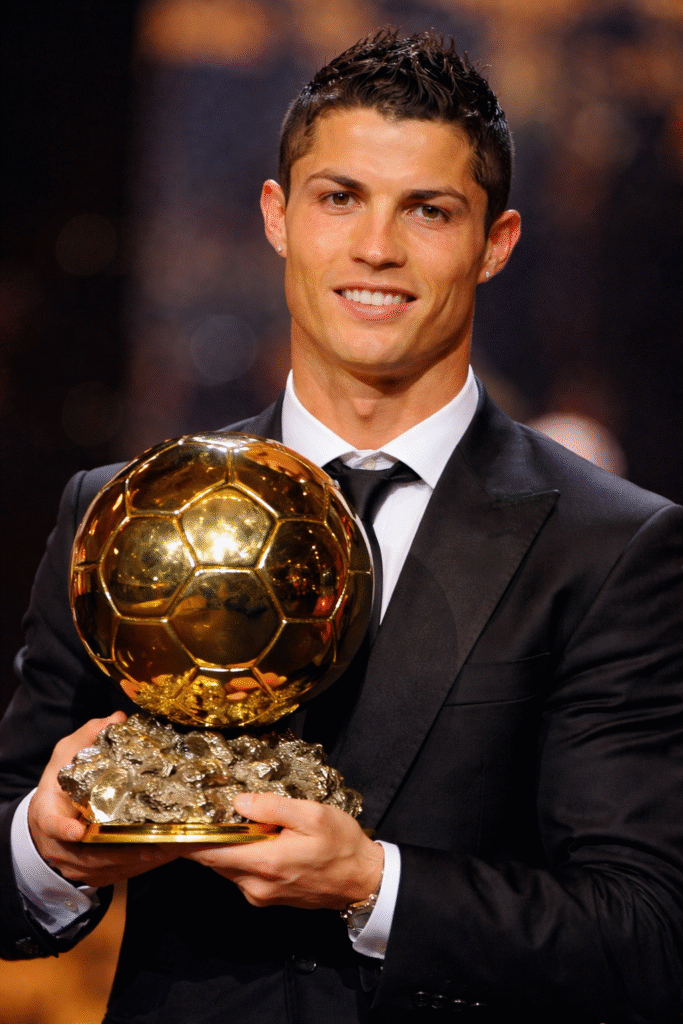
At Manchester United, Ronaldo evolved from a talented winger into a complete player. Under Ferguson’s guidance, he won:
- Three Premier League titles
- One UEFA Champions League
- His first Ballon d’Or (2008)
His explosive pace, step overs, free kicks, and goal-scoring ability made him one of the most exciting players in the world.
Global Stardom at Real Madrid
In 2009, Cristiano Ronaldo joined Real Madrid for a then-record transfer fee. This move elevated him to legendary status. At Madrid, Ronaldo reached the peak of his footballing powers.

He became the club’s all-time leading scorer and won:
- Four Champions League titles
- Multiple La Liga trophies
- Four Ballon d’Or awards during his time at the club
Ronaldo’s rivalry with Lionel Messi defined an entire football era, pushing both players to extraordinary heights. His dedication to fitness, mental strength, and continuous improvement set new standards in professional sports.
Leadership and International Success
Ronaldo’s influence extended to international football. As captain of Portugal, he led his nation to historic achievements, including:
- UEFA Euro 2016 victory
- UEFA Nations League 2019
These victories cemented his status as a national hero. Ronaldo proved that leadership is not just about talent but also about belief, resilience, and responsibility.
Cristiano Ronaldo as a Social Activist
Beyond football, Ronaldo is widely respected for his humanitarian efforts. He has consistently used his fame to support social causes, making him one of the most influential athlete-activists in the world.

He has donated millions to:
- Children’s hospitals
- Disaster relief programs
- Cancer research
- Education initiatives
Ronaldo also serves as a global ambassador for several charitable organizations. Notably, he has:
- Paid for medical treatments of critically ill children
- Auctioned personal awards for charity
- Supported refugees and underprivileged communities
His generosity often goes unnoticed because he prefers action over publicity. This side of Ronaldo highlights his compassion and sense of responsibility as a global figure.
Digital Era: Cristiano Ronaldo on YouTube and Social Media
Cristiano Ronaldo is also a digital powerhouse. With hundreds of millions of followers across platforms, he is the most-followed athlete on social media.

His YouTube channel offers fans exclusive insights into:
- Training routines
- Match day preparation
- Personal moments
- Brand collaborations
The channel reflects Ronaldo’s understanding of modern media and personal branding. He uses digital platforms not just for promotion but also to inspire young athletes worldwide. His online presence bridges the gap between fans and his real-life journey.
Business Ventures and Brand CR7

Ronaldo has successfully built a global brand known as CR7. His business empire includes:
- Fashion and footwear
- Fragrances
- Hotels and fitness centers
These ventures show Ronaldo’s intelligence beyond the pitch. He has carefully transformed his name into a symbol of excellence, discipline, and luxury.
He has also invested in digital media, endorsements, and health-focused products, expanding CR7’s reach across multiple global markets.
Through strategic partnerships and smart branding, Ronaldo has ensured long-term financial success and influence far beyond his football career.
Personal Life and Family
Cristiano Ronaldo is a dedicated family man. He often shares moments with his children and partner, emphasizing the importance of family values in his life.
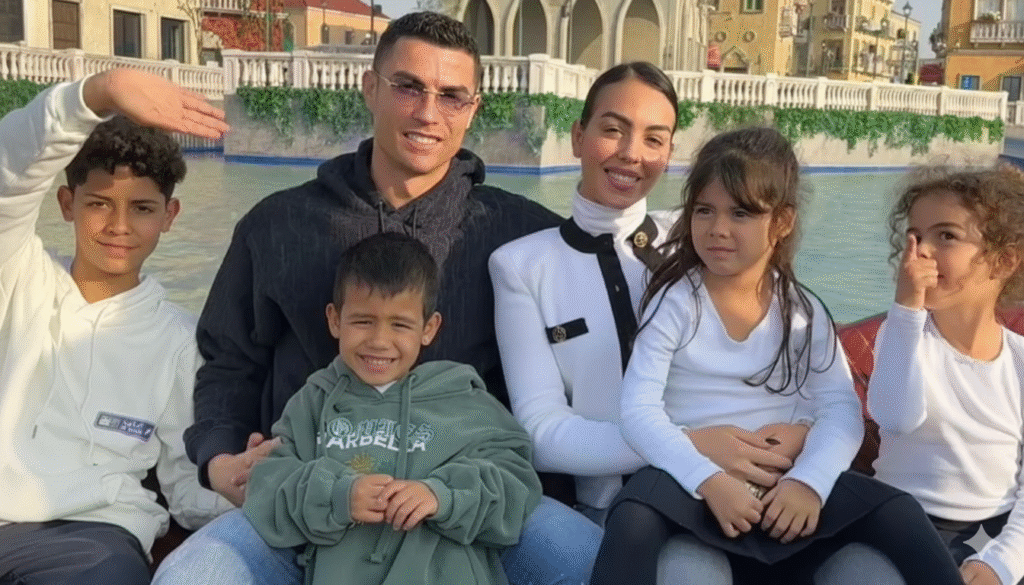
Despite his global fame, Ronaldo maintains strong ties with his mother and siblings. He credits his mother as a major influence in his success, often acknowledging her sacrifices.
Ronaldo’s personal life reflects balance. He follows a strict lifestyle focused on:
- Nutrition
- Fitness
- Mental discipline
This commitment has allowed him to compete at the highest level even as he ages, proving that longevity comes from discipline and focus.
Mental Strength and Work Ethic
One of Ronaldo’s most defining traits is his mentality. His success is built on:
- Relentless work ethic
- Self-belief
- Continuous improvement
He is known for being the first to arrive at training and the last to leave. This mindset separates him from others and serves as a blueprint for aspiring athletes.
Ronaldo constantly sets higher standards for himself, refusing to settle even after achieving greatness.
His mental toughness allows him to perform under pressure and turn challenges into motivation for success.
Legacy and Influence
Cristiano Ronaldo’s legacy is not limited to goals and trophies. He represents:
- Determination
- Resilience
- Leadership
- Global influence
Millions of young players look up to him as a role model. His journey proves that talent alone is not enough discipline, sacrifice, and belief are equally important.
Beyond football, Ronaldo has inspired a generation to dream big and work relentlessly toward their goals.
His commitment to fitness, professionalism, and self-improvement has redefined modern athletic standards.
As a global icon, his influence extends into culture, business, and philanthropy, leaving a lasting impact on and off the pitch.
Conclusion
The story of Cristiano Ronaldo’s life and career is a story of transformation. From a poor boy in Madeira to a football legend, social activist, and digital icon, Ronaldo has redefined what it means to be a modern athlete.
His influence spans sports, society, and digital media. Whether on the pitch, in charity work, or on YouTube, Ronaldo continues to inspire generations across the world.
Cristiano Ronaldo is not just remembered for what he achieved but for how he achieved it.