Author: admin@gmail.com

  • PSL 2026 Auction Shocks Everyone | Who Went Unsold and Who Broke Records!

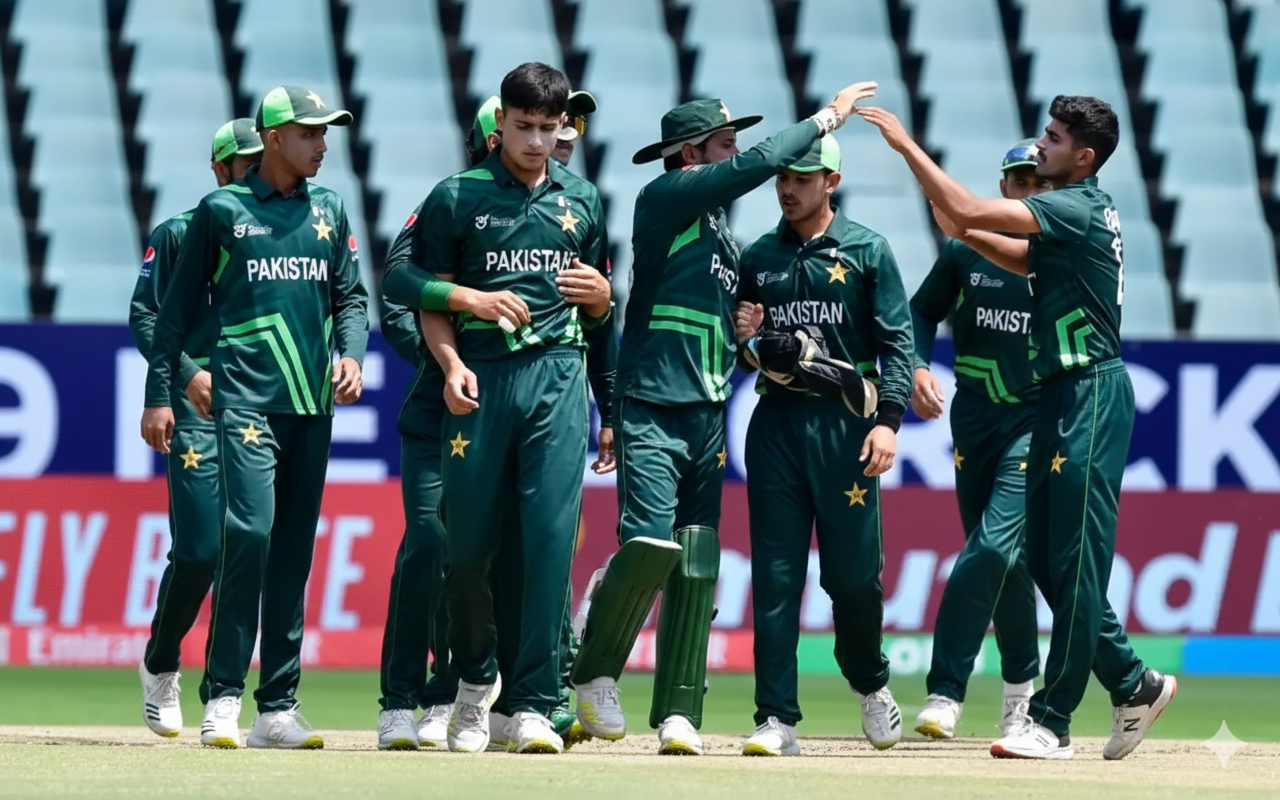
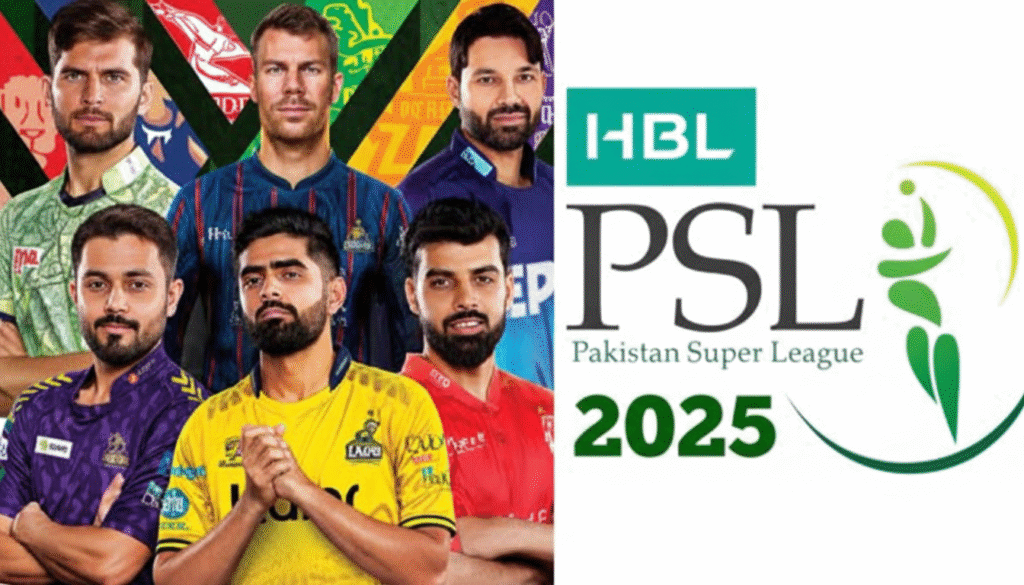
    When I first saw the PSL 2026 auction happening at Lahore Expo Centre, I felt the excitement was unreal. Franchise cricket has always been competitive, but this year the stakes were higher than ever. Moreover, with new teams like Hyderabad and Sialkot entering, the entire dynamic seemed completely different.
    I watched how every franchise planned their auction strategy, trying to balance overseas stars with local talent. Honestly, the tension in the room was palpable, and it was clear that money, fame, and reputation would clash at every turn. Also, fans were waiting eagerly to see which players would make the cut.
    What shocked me most was how even some top international players went unsold. While some were overjoyed at huge bids, others had to face disappointment quietly. Naturally, this made me wonder about the science and strategy behind team selection this year.

    From Draft to Drama

    The PSL 2026 auction kicked off on February 11, 2026, at the Lahore Expo Centre, and I was amazed by how organized everything was. All eight teams, including new entrants Hyderabad and Sialkot, gathered after completing direct signings and retentions. Naturally, each franchise had a clear plan for using their auction purse efficiently.
    Interestingly, most teams started with PKR 45 crore, but Hyderabad and Rawalpindi had a special advantage of PKR 50.5 crore because they directly signed an overseas player. This extra budget immediately created tension, as franchises could bid higher for top stars. Meanwhile, Quetta Gladiators had the lowest purse of PKR 33.14 crore, which added more pressure on their selections.
    During the auction, I noticed franchises carefully balancing local Pakistani talent with overseas players. The focus was not just on big names, but also on player roles and team strategy, ensuring squads were balanced. As bids climbed, it became clear that every crores spent counted toward winning the season

    When Millions Speak

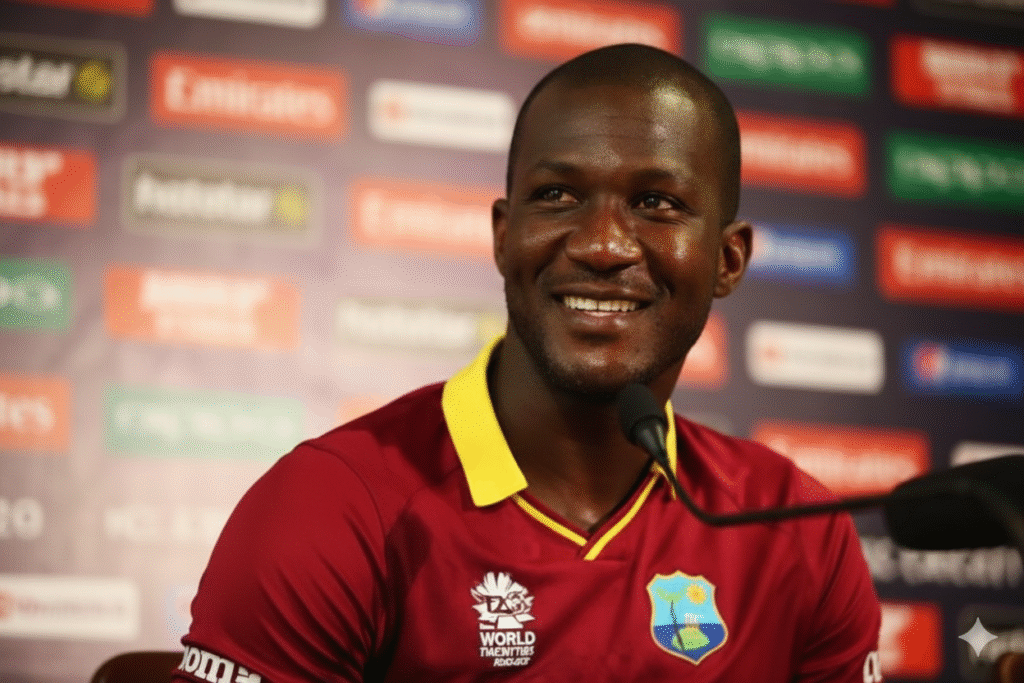
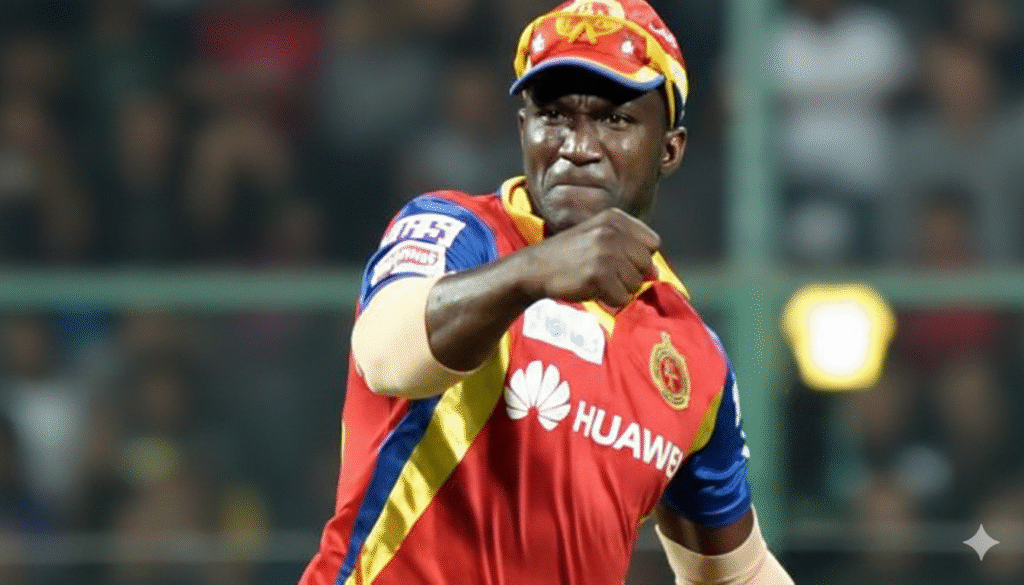
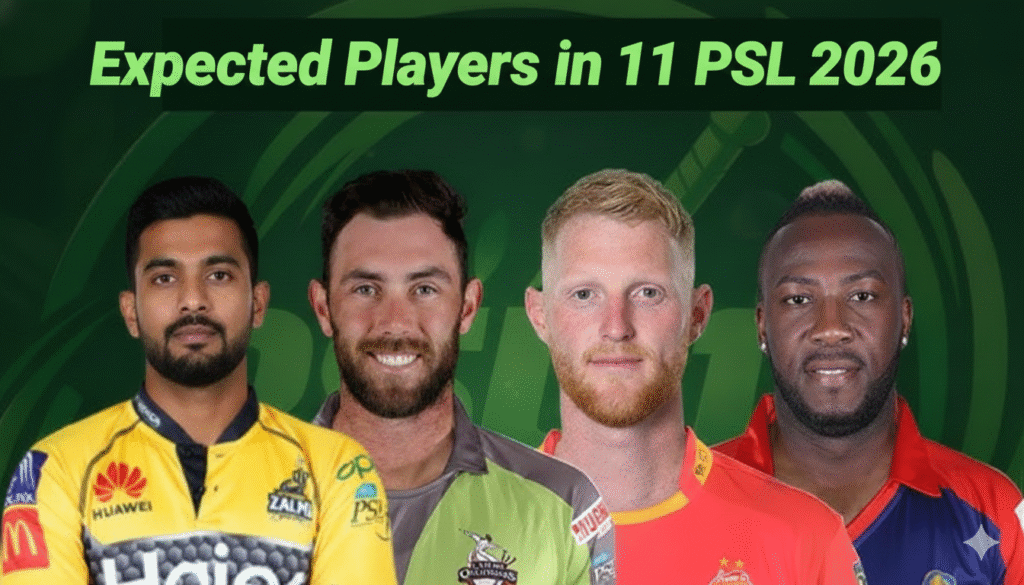
    The PSL 2026 auction saw record-breaking bids that shocked fans and analysts alike. Naseem Shah became the most expensive buy at PKR 8.65 crore for Rawalpindi, followed closely by Faheem Ashraf (PKR 8.5 crore) for Islamabad United. Additionally, overseas stars like Daryl Mitchell (PKR 8.05 crore) and David Warner (PKR 7.9 crore) created intense competition among franchises.
    Teams focused on player roles, brand value, and international experience while spending heavily. Lahore Qalandars secured Fakhar Zaman (PKR 7.95 crore) and Haris Rauf (PKR 7.6 crore), showing the importance of top-performing local talent. Similarly, Quetta Gladiators spent PKR 6.5 crore on Khawaja Nafay, balancing budget constraints with team needs.
    Overall, the auction highlighted the strategic use of team purses and auction dynamics, as franchises carefully allocated funds for both overseas stars and local players. The bidding wars emphasized that in PSL 2026, money and strategy often determined success before the season even began.

    Who Had the Highest Price Tag in PSL 2026?

    The highest-paid player in the PSL 2026 auction was Naseem Shah, purchased by Rawalpindi for PKR 8.65 crore. Following him, Faheem Ashraf went to Islamabad United for PKR 8.5 crore, making these two the most expensive local players in the draft. Additionally, overseas all-rounder Daryl Mitchell fetched PKR 8.05 crore, showing the value placed on experienced international talent.
    Franchises clearly prioritized impact players, especially fast bowlers and all-rounders, over budget-friendly options. Lahore Qalandars spent heavily on Fakhar Zaman (PKR 7.95 crore) and Haris Rauf (PKR 7.6 crore), ensuring their core lineup stayed strong. Karachi Kings also made bold moves with David Warner (PKR 7.9 crore) and Moeen Ali (PKR 6.44 crore) to strengthen both batting and brand appeal.
    This section of the auction reflected the strategy behind spending, combining team balance, player roles, and market value. It was clear that franchises were willing to invest heavily for potential season winners, making PSL 2026 one of the most expensive and competitive auctions in history.

    Team-by-Team Squad Breakdown After PSL 2026 Auction

    Karachi Kings

    Karachi Kings focused on combining local pace stars and overseas talent. They signed David Warner (PKR 7.9 crore) and Moeen Ali (PKR 6.44 crore) for batting strength, while Hasan Ali (PKR 4.76 crore) and Azam Khan (PKR 3.65 crore) bolstered the bowling attack. Mid-range picks like Mir Hamza (PKR 2.4 crore) ensured depth and flexibility in the squad.

    Sialkot Stallionz (New Team)

    Debuting this season, Sialkot Stallionz made bold moves by acquiring Steve Smith (PKR 14 crore) and Mohammad Nawaz (PKR 6.16 crore). Other key players included Sahibzada Farhan (PKR 5.7 crore) and Ashton Turner (PKR 4.2 crore). These selections created a balance between experienced internationals and promising local talent.

    Islamabad United

    Islamabad United invested in both all-rounders and top-order batsmen, buying Faheem Ashraf (PKR 8.5 crore) and Shadab Khan (PKR 7 crore). Mark Chapman (PKR 7 crore) and Mohammad Wasim Jr (PKR 4.1 crore) strengthened the middle order. The team focused on performance-driven auction strategy rather than just high-profile names.

    Quetta Gladiators

    Quetta Gladiators used a balanced spending approach, securing Khawaja Nafay (PKR 6.5 crore) and Spencer Johnson (PKR 5.6 crore). Emerging talents like Faisal Akram (PKR 1.25 crore) and Arafat Minhas (PKR 1.1 crore) added depth. Their strategy combined experienced international players with cost-effective local options.

    Lahore Qalandars

    Lahore Qalandars prioritized fast bowling and explosive batting, signing Shaheen Shah Afridi (PKR 7 crore), Haris Rauf (PKR 7.6 crore), and Fakhar Zaman (PKR 7.95 crore). Batsmen like Abdullah Shafique (PKR 2.2 crore) and all-rounders like Usama Mir (PKR 3.5 crore) gave flexibility. Their picks focused on team balance and match-winning potential.

    Peshawar Zalmi

    Peshawar Zalmi built a consistent core with Babar Azam (PKR 7 crore) and Sufiyan Muqeem (PKR 4.48 crore). Middle-order players such as Abdul Samad (PKR 2.8 crore) and Ali Raza (PKR 1.96 crore) strengthened depth. Affordable local talents like Khalid Usman (PKR 60 lakh) ensured the team stayed within budget while remaining competitive.

    Hyderabad Houston Kingsmen (New Team)

    Hyderabad Houston Kingsmen shocked fans with Saim Ayub (PKR 12.6 crore) and overseas star Marnus Labuschagne (PKR 5.88 crore). Mid-tier local players like Maaz Sadaqat (PKR 3.5 crore) and Irfan Khan Niazi (PKR 2.9 crore) completed the squad. Their auction strategy focused on big-name impact players while maintaining flexibility.

    Rawalpindi (New Team)

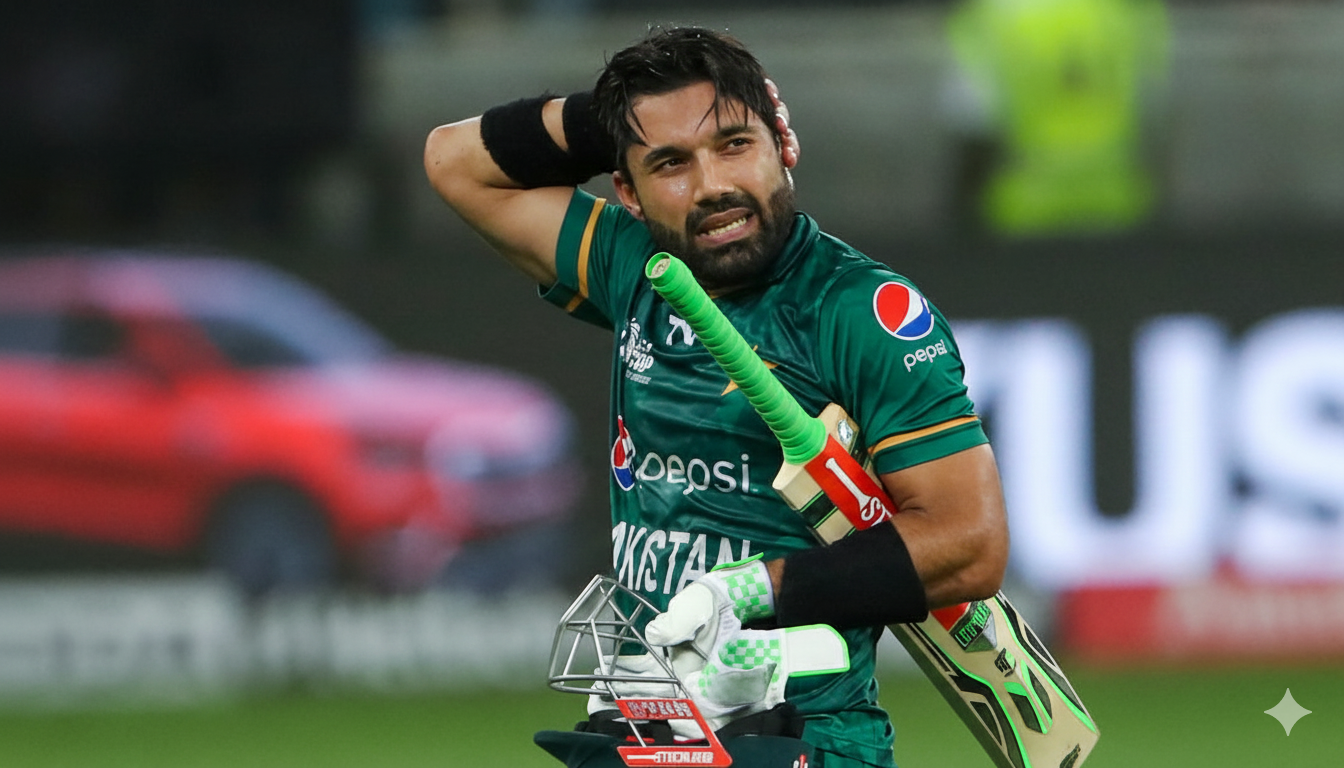
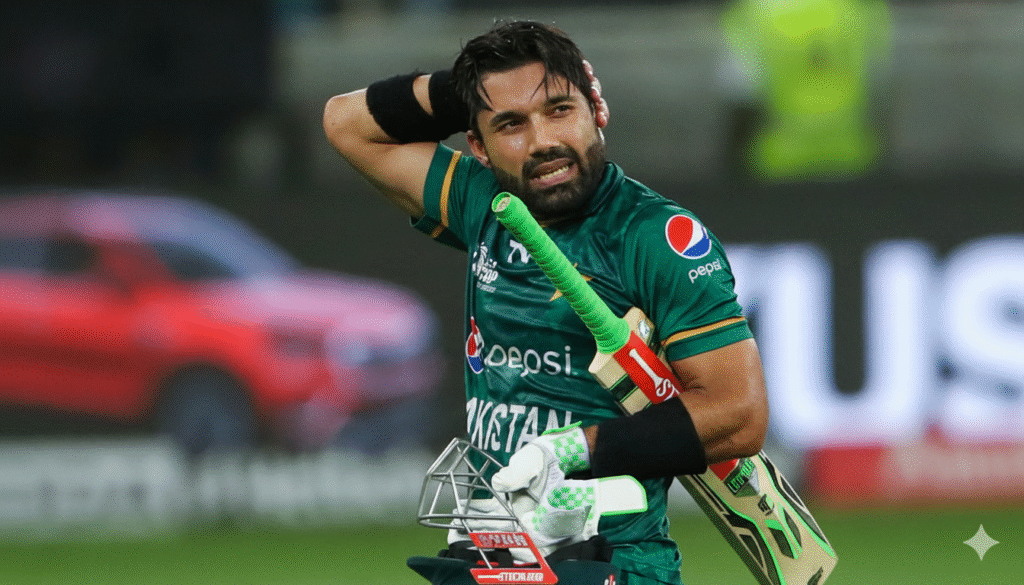
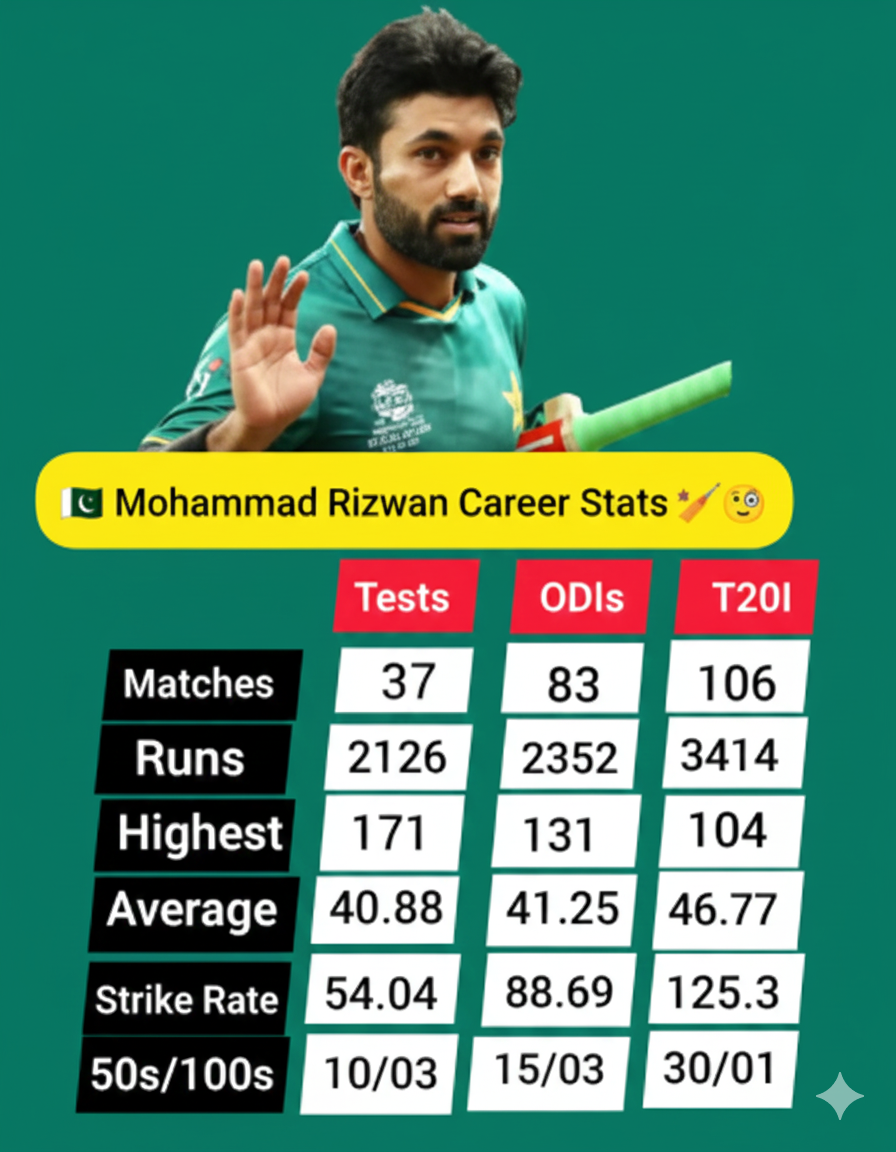
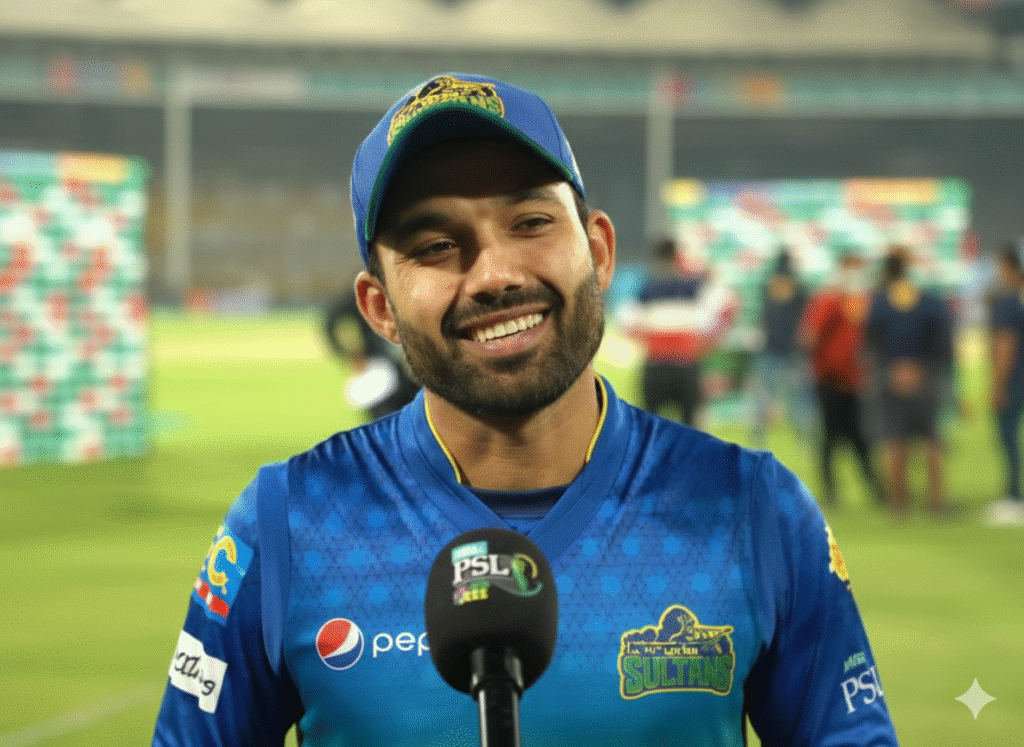
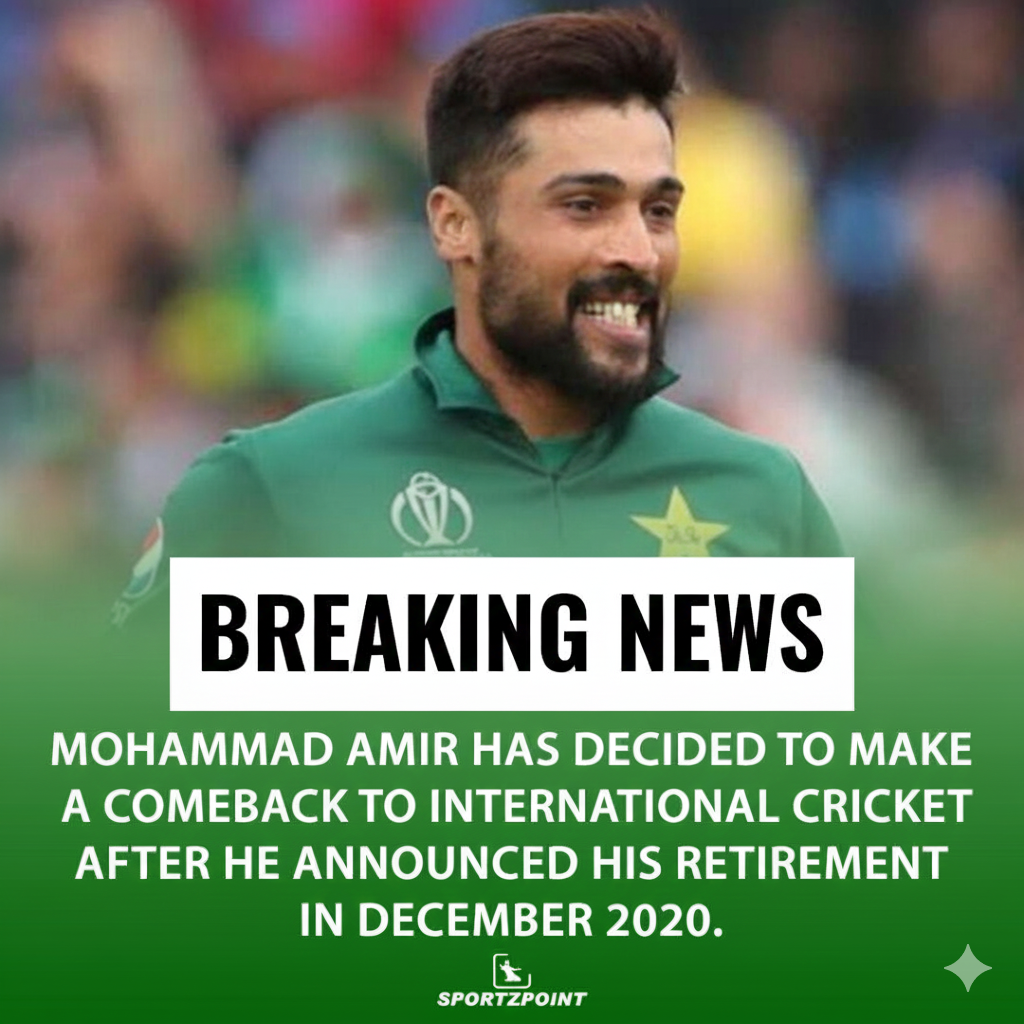
    Rawalpindi, formerly Multan, had a high auction purse of PKR 50.5 crore. They signed Naseem Shah (PKR 8.65 crore), Daryl Mitchell (PKR 8.05 crore), and Mohammad Rizwan (PKR 7 crore) as marquee players. Additional picks like Mohammad Amir (PKR 5.4 crore) and Rishad Hossain (PKR 3 crore) gave the team a strong debut lineup for PSL 2026.

    Silence After the Hammer

    Despite strong performances in previous seasons, several big-name players went unsold in PSL 2026. Stars like Imad Wasim (PKR 4.2 crore), Shakib Al Hasan (PKR 2.2 crore), and Rassie van der Dussen (PKR 4.2 crore) surprisingly did not attract bids. Fans and analysts were shocked as these players were expected to be core picks for franchises.
    Other notable unsold names included Chris Jordan (PKR 4.2 crore), Colin Munro (PKR 2.2 crore), and Kyle Mayers (PKR 1.1 crore). Many Pakistani domestic stars such as Hussain Talat (PKR 1.1 crore) and Danish Aziz (PKR 1.1 crore) also remained unpicked. The trend raised questions about franchise strategies and player valuation.
    The unsold list revealed a shift towards analytics-driven selection, where teams considered age, fitness, and role-specific stats over reputation. While some fans criticized franchises for ignoring top players, others understood that modern PSL auctions prioritize team balance and budget management. This added a layer of controversy and debate around the 2026 auction.

    Pakistani Players Who Returned Empty-Handed?

    Several prominent Pakistani players surprisingly went unsold in the PSL 2026 auction, leaving them without a team. Stars like Imad Wasim, Hussain Talat, Danish Aziz, and Mohammad Junaid were left out, despite strong domestic and international records. This created a huge debate about domestic talent selection.
    Fans across Pakistan expressed shock and frustration on social media platforms, questioning why experienced cricketers were ignored. Analysts suggested that franchises prioritized overseas stars and younger players to balance team composition and salary caps. The reaction highlighted a gap between fan expectations and franchise strategy.
    Experts believe several unsold players might still join PSL 2026 later as replacement or mid-season signings, keeping their careers alive. Yet, the psychological impact of being unsold on top Pakistani talent cannot be ignored. This scenario also revealed the intense competition and strategic complexity of modern PSL auctions.

    Player Reactions to Going Unsold

    Many top cricketers were left stunned when they went unsold in PSL 2026. Players like Imad Wasim, Hussain Talat, and Danish Aziz expressed shock and disappointment, sharing their feelings on social media and interviews. The moment highlighted how even experienced Pakistani stars can face unexpected rejection.
    Some players admitted it was a humbling experience, while others vowed to come back stronger in domestic leagues. The emotional impact of being unsold showed that auctions are not just about money but also pride and recognition. Fans and analysts noticed how mental resilience is now as important as performance.
    This reaction also sparked debates about franchise priorities, as teams increasingly favored younger talent, overseas stars, or analytics-driven picks. The contrast between expectations and reality made PSL 2026 one of the most talked-about auctions in history.

    Fans Erupt Online

    Pakistani fans were quick to react when top players went unsold in PSL 2026. Social media platforms like Twitter and Instagram exploded with opinions, memes, and debates about why stars like Imad Wasim and Hussain Talat were ignored. Fans felt some local talent was unfairly overlooked.
    Many supporters criticized franchises for focusing on overseas stars or big-money buys, arguing that it hurt the chances of domestic players. Trending hashtags and viral posts showed widespread frustration and called for more balanced team selections. This reaction highlighted the passion of Pakistani cricket fans.
    Analysts also joined the discussion, explaining that salary caps, team balance, and player roles influenced decisions. Yet, the overwhelming fan sentiment revealed that public opinion often clashes with franchise strategy. The online uproar made PSL 2026 auction a hot topic across the country.

    The Hidden Science Behind Player Selection

    Franchises in PSL 2026 are no longer picking players just by fame or past records. They rely on data analytics, fitness reports, and performance metrics to make smart choices. Age, injury history, and consistency all play a major role in auction strategies.
    Teams analyze player strike rates, bowling economy, and fielding efficiency to predict match impact. Even small statistics like recent domestic form can determine whether a player gets a contract or goes unsold. This shows that modern cricket selection is a science-driven process.

    Politics, Branding, or Strategy? Theories Fans Can’t Ignore

    Many fans wondered why some famous players were left unsold in PSL 2026, sparking debates about team politics, branding, and strategy. Franchises may prioritize younger talent, overseas stars, or players with strong market value over reputation.
    Some analysts believe brand image and social media following influence selection as much as performance. Others argue team composition and balance force franchises to make tough choices, leaving experienced players out. These theories explain the controversial surprises in the auction.

    What Happens Next for Unsold Players?

    Even after going unsold, PSL 2026 players still have opportunities to join teams later as replacement or mid-season signings. Injuries, form slumps, or international commitments often open doors for talented cricketers who missed out initially.
    Franchises monitor unsold players closely, tracking fitness, domestic performance, and readiness. This ensures that even big names like Imad Wasim or Hussain Talat can make a PSL comeback if the right situation arises.

    Highest-Paid Players of PSL 2026 Auction

    The PSL 2026 auction saw record-breaking prices for several players, making headlines across cricket fans and analysts. Naseem Shah topped the list at PKR 8.65 crore for Rawalpindi, followed closely by Faheem Ashraf (PKR 8.5 crore) for Islamabad United. These figures highlight how franchises value performance, potential, and match impact.
    Other top buys included Daryl Mitchell (PKR 8.05 crore), Fakhar Zaman (PKR 7.95 crore), and David Warner (PKR 7.9 crore), showing a mix of international stars and domestic talent. Haris Rauf, Mark Chapman, Khawaja Nafay, Salman Ali Agha, and Sahibzada Farhan completed the top 10, emphasizing the competitive bidding environment.

    Conclusion

    The PSL 2026 auction was more than just player selection-it reshaped the future of franchise cricket in Pakistan. From record-breaking buys to big-name players going unsold, the draft showed how strategy, analytics, and branding now drive decisions.
    Fans, players, and analysts all witnessed shocking surprises, heated debates, and new trends in team building. The auction proved that performance alone isn’t enough; teams now weigh potential, fitness, and market value before making bids.
    Ultimately, PSL 2026 highlighted a new era where cricket meets business and strategy, making every pick, unsold player, and top bid a story worth following. This auction set a benchmark for future seasons, keeping fans eagerly watching what comes next.

    FAQs

    Q1: When was the PSL 2026 auction held?
    The first-ever PSL 2026 auction took place on February 11, 2026, at the Lahore Expo Centre, where all eight teams finalized their squads.

    Q2: Which Pakistani players went unsold in PSL 2026?
    Top Pakistani stars like Imad Wasim, Hussain Talat, Danish Aziz, and Mohammad Junaid surprisingly went unsold, sparking debates about domestic talent selection.

    Q3: Who were the highest-paid players in PSL 2026?
    Naseem Shah (PKR 8.65 crore), Faheem Ashraf (PKR 8.5 crore), Daryl Mitchell (PKR 8.05 crore), Fakhar Zaman (PKR 7.95 crore), and David Warner (PKR 7.9 crore)topped the list ofhighest-paid players.

    Q4: Why did some big names go unsold?
    Franchises consider team strategy, age, fitness, analytics, salary caps, and branding. Sometimes even experienced players miss out due to balance and budget priorities.

    Q5: Can unsold players still play in PSL 2026?
    Yes, unsold players can join as replacement or mid-season signings if a team faces injuries, player withdrawals, or performance gaps during the season.

  • India vs Pakistan 2026| You Won’t Believe What Could Happen in This Epic T20 Clash

    India vs Pakistan

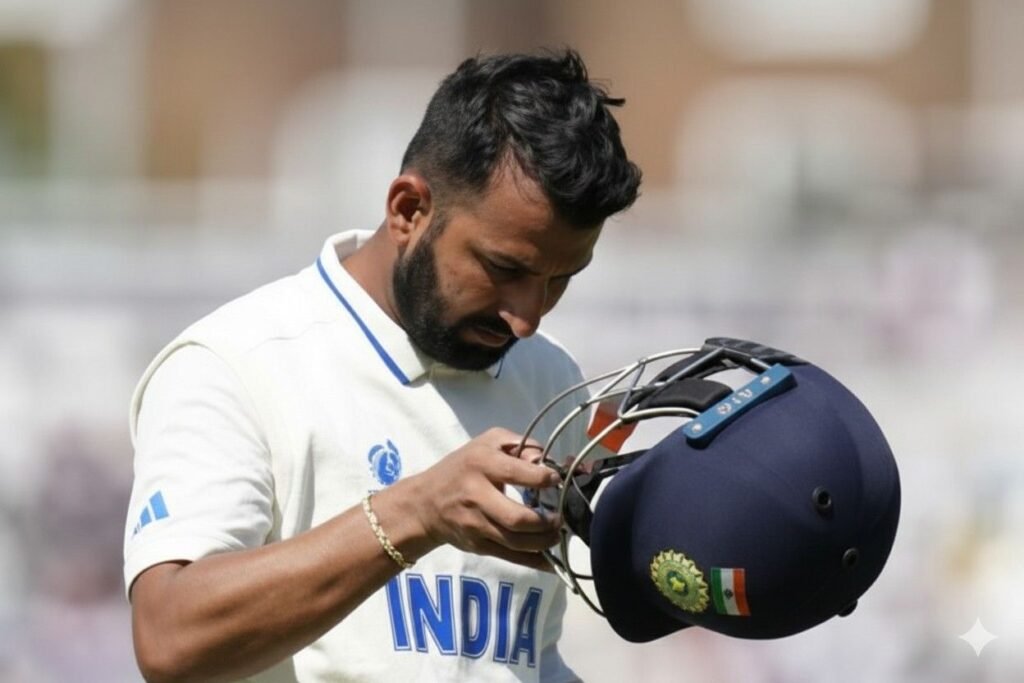
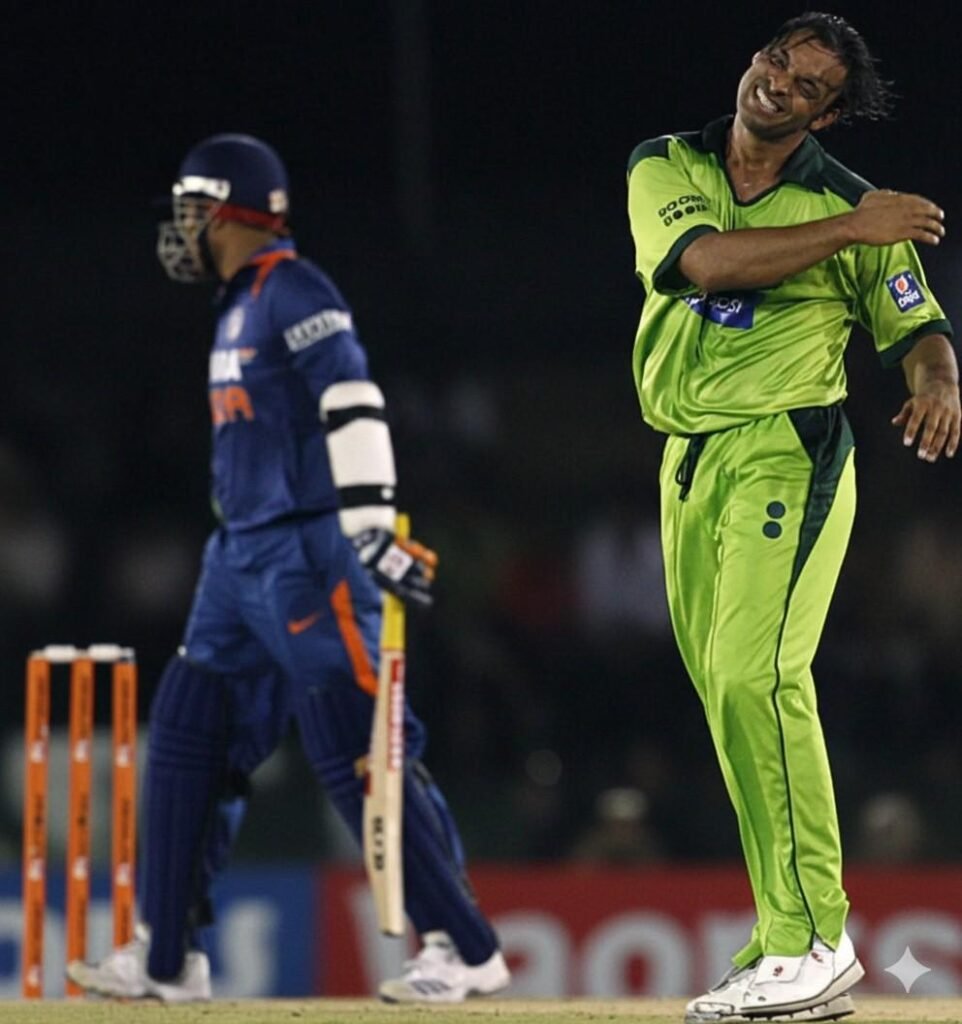
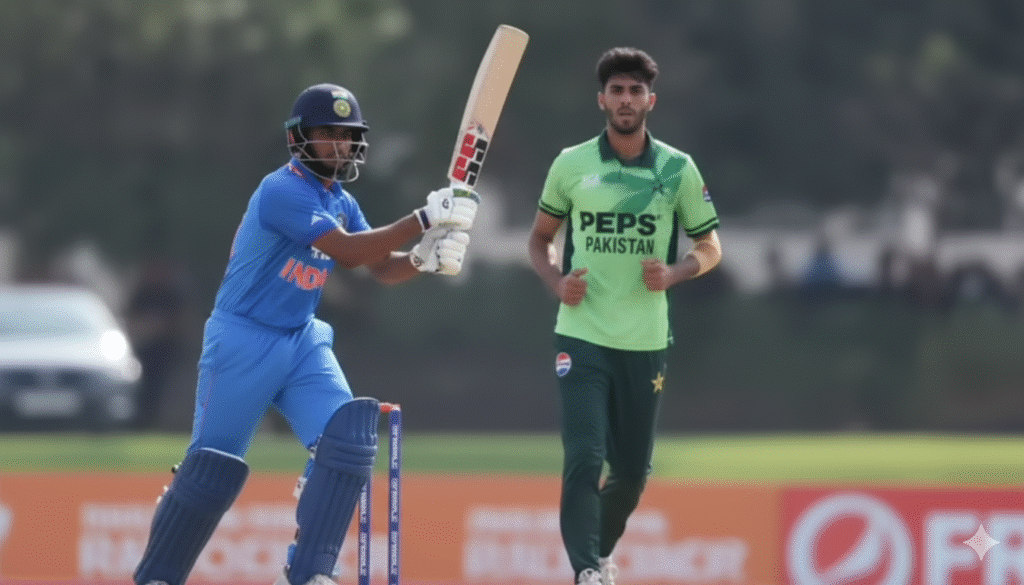
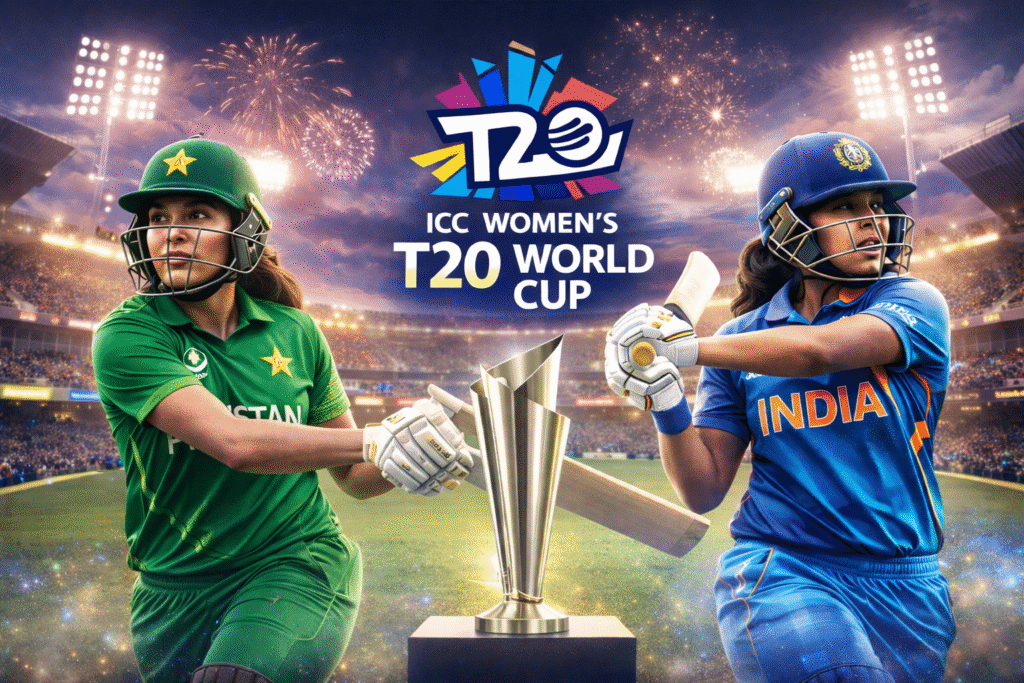
    Whenever I hear India vs Pakistan, I know it is not just another cricket match. I feel the tension, the excitement, and the deep rivalry that comes with this high-voltage clash. This match always brings huge attention, strong emotions, and unmatched fan pressure.
    As a cricket follower, I see how the India vs Pakistan match changes the mood of fans in both countries. The rivalry, political tension, and national pride make this game more intense than any other ICC event. Even before the first ball, the pressure on players is already massive.
    Watching India national cricket teamvs Pakistan national cricket team always feels personal to me. In big tournaments like the ICC Men’s T20 World Cup 2026, emotions often overpower logic. That is why this rivalry continues to dominate searches, discussions, and global attention

    When Cricket Turns into a Global Spectacle

    First of all, India national cricket team vs Pakistan national cricket team is never an ordinary contest. It is a high-voltage cricket clash where history, emotions, and pride come together. Because of the intense India vs Pakistan rivalry, even a single run can change the mood of millions of fans watching worldwide.
    Moreover, this India vs Pakistan match carries pressure that few players ever experience in their careers. However, the heavy fan pressure and expectations often test mental strength more than skills. So, cricket here becomes a symbol of national pride, making the spectacle far bigger than just a game.

    When Every Ball Feels Like a Final

    The upcoming India vs Pakistan match in the ICC Men’s T20 World Cup 2026 is already creating headlines worldwide. Even though it is a group-stage game, the intense India vs Pakistan rivalry gives it the thrill of a final. Fans and analysts alike are tracking every update because the stakes feel incredibly high.
    At the same time, players know the fan pressure and expectations are unlike any other match. Each decision, whether batting or bowling, can become a talking point across social media. Therefore, this match is not just about points; it is about national pride and momentum in the tournament.

    From Boycott Talks to Match Confirmation

    Initially, the India vs Pakistan match faced uncertainty due to political tension and potential boycott talks. However, after Bangladesh’s exit from the tournament, organizers confirmed the fixture, catching fans and players by surprise. This unexpected turn added a sense of anticipation to the high-voltage cricket clash that no one wanted to miss.
    The sudden schedule change also meant teams had to quickly adjust their strategies and mindset. With so much on the line, even warm-up sessions felt more intense than usual. As a result, this match became a story not just of cricket, but of adaptability, nerves, and tactical preparation.

    Will the Pitch Decide the Winner?

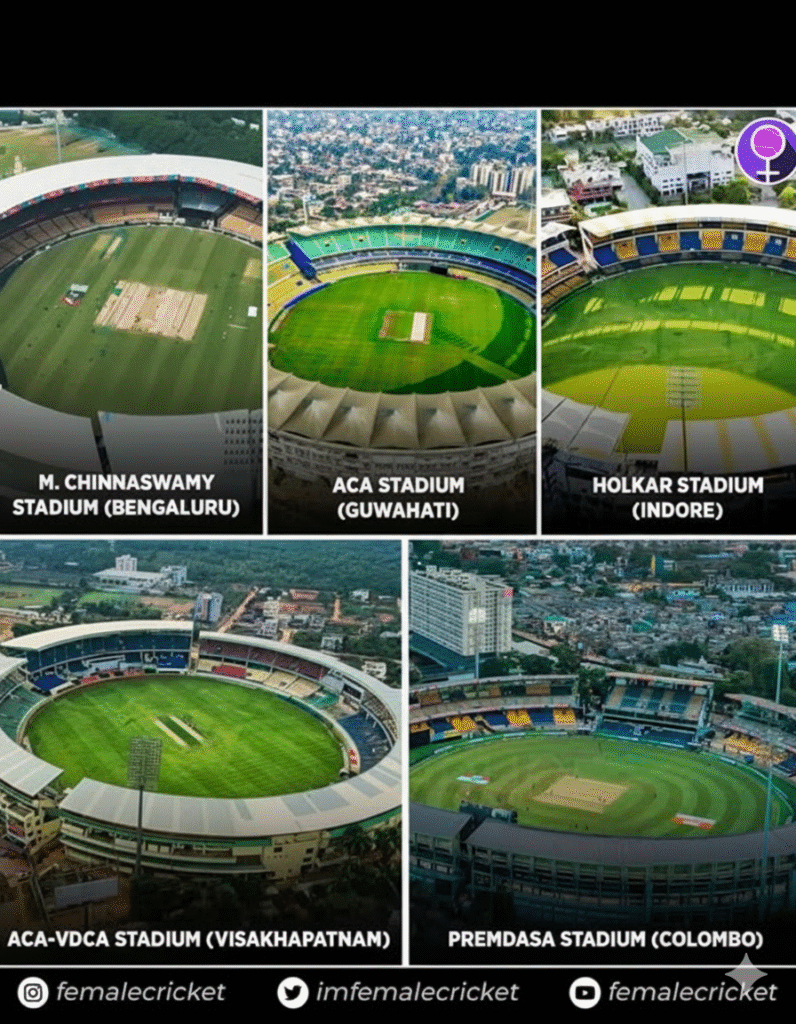
    The R. Premadasa Stadium in Colombo has always been known for tricky pitches, and this India vs Pakistan match is no exception. Spin-friendly conditions and the possibility of dew in the evening can change the game quickly. Therefore, understanding the match conditions is as important as player form.
    Batsmen and bowlers alike must adjust their strategies to the pitch behavior, which can favor one side at different times. Moreover, the high-voltage cricket clash often tests how teams adapt under pressure rather than just raw skill. So, predicting the outcome here requires more than stats—it demands insight into how the venue plays.

    Who Holds the Real Advantage?

    In the India vs Pakistan match, recent form can give one team confidence, but the mental pressure of facing a rival often shifts the game unexpectedly. Even teams on a winning streak can falter under the fan pressure and expectations from millions of viewers. Therefore, momentum alone rarely guarantees success in such a high-voltage cricket clash.
    Players must stay focused and manage nerves, as a single mistake can change the flow entirely. At the same time, strategic decisions made under pressure often decide who dominates key moments. This balance between skill and mental strength makes the clash unpredictable and thrilling for fans worldwide.

    Power-Hitting That Can Shift the Game

    In this India vs Pakistan match, explosive batting can completely change the momentum within just a few overs. Teams with higher boundary rates often dominate the scoreboard, keeping fans on the edge of their seats. Moreover, the high-voltage cricket clash thrives on aggressive shots that can turn ordinary overs into highlight reels.
    Big hitters from both sides know that a single six can spark celebrations or heartbreaks across nations. Meanwhile, bowlers must constantly adjust their line and length to prevent boundaries, making strategy just as crucial as skill. Therefore, the match becomes not only a test of talent but also a battle of nerves and timing.

    How Dot Balls Can Turn the Tide?

    Sometimes, it’s not the sixes or wickets that decide an India vs Pakistan clash, but the quiet moments of tension. Consecutive dot balls can frustrate batsmen, slow the run rate, and shift confidence toward the bowling side. In such a high-stakes T20 battle, these subtle overs often become game-changers.
    Bowlers use dot balls to build pressure, forcing mistakes without taking risks. Meanwhile, the batting team must balance patience with aggression, knowing that one misstep could cost momentum. In the end, the quiet pressure often speaks louder than the loud celebrations, shaping the match’s final outcome.

    How a Single Over Can Flip the Game?

    In this clash, one crucial wicket can shift momentum instantly, turning confident batting sides into nervous ones. The bowling strategy in such high-stakes matches often determines who gains the upper hand. Even small errors in line or length can make the tension-filled T20 encounter unpredictable.
    Captains watch every over closely, knowing that early breakthroughs or late strikes can decide the match outcome. Meanwhile, batsmen must rethink their approach with each wicket lost, balancing aggression and caution. Ultimately, it’s not just talent but timing and strategy that make this game a spectacle.

    Fans, Emotions, and National Pride

    When these two cricketing giants meet, the energy off the field is as intense as on it. Millions of spectators from both countries follow every run and wicket, creating emotional stakes that go beyond the scoreboard. The roar of the crowd and online reactions amplify the tension, making this clash a high-intensity spectacle.
    Players often feel the weight of national expectations, knowing their performance carries pride for millions. Media coverage, social discussions, and historic rivalries add another layer of mental challenge. In matches like this, it’s not just skill that counts – managing emotions and focus can make the difference between victory and heartbreak.

    When Strategy Meets Nerves

    Predicting the outcome of a clash like this is never simple, as both sides bring strong squads and contrasting strengths. While statistics and recent form provide clues, the real test is how players handle the pressure-packed moments in a high-intensity T20 battle. Even small lapses in focus can swing momentum in an instant.
    Experts often weigh pitch conditions, player form, and past encounters, but the unpredictable nature of the India-Pakistan rivalry keeps fans guessing. Ultimately, it’s a mix of planning, adaptability, and nerves that decides the winner. This blend of strategy and emotion makes every match a thrilling spectacle that no cricket fan wants to miss.

    Conclusion

    As the sun sets over Colombo, the story of this India vs Pakistan encounter is written not just in runs or wickets, but in moments of tension, brilliance, and sheer willpower. Every boundary, dot ball, and wicket becomes part of a larger narrative where pride, passion, and strategy collide. Fans don’t just watch the match-they live it, feel it, and debate it long after the final ball.
    In the end, this clash is a reminder that cricket between these two rivals is never ordinary. It’s a high-voltage spectacle that tests skill, nerves, and heart, leaving memories that linger far beyond the stadium. Whether it’s triumph or heartbreak, the match tells a story bigger than the scoreboard, connecting nations through the love of the game.

    FAQs

    1. Why is the India vs Pakistan match considered so intense?
    The match carries decades of historic rivalry, national pride, and huge fan expectations, making it more than just a cricket game.

    2. How does fan pressure affect the players?
    Players often feel the weight of millions of supporters watching live and online, testing their mental strength as much as their cricket skills.

    3. Can the pitch or venue influence the outcome?
    Yes, conditions at R. Premadasa Stadium like spin-friendly pitches or dew in evening games can give one team an advantage.

    4. Does past performance matter in predicting the winner?
    While form and team momentum provide guidance, the unpredictable nature of this high-voltage T20 clashmakes predictions tricky.

    5. Why is the match so popular globally?
    Even casual fans follow it because the India-Pakistan rivalry creates drama, emotion, and thrilling moments that attract worldwide attention.

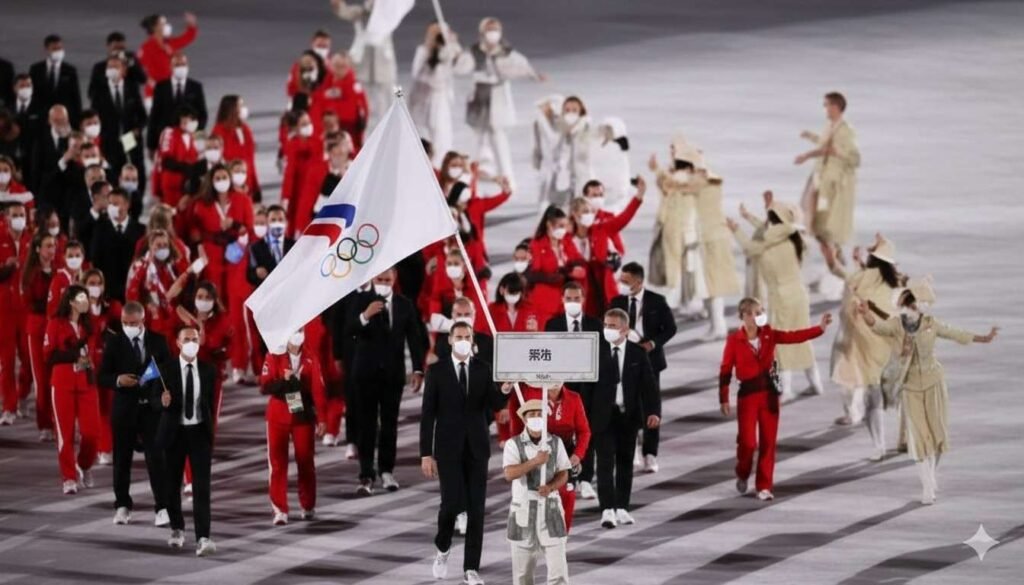
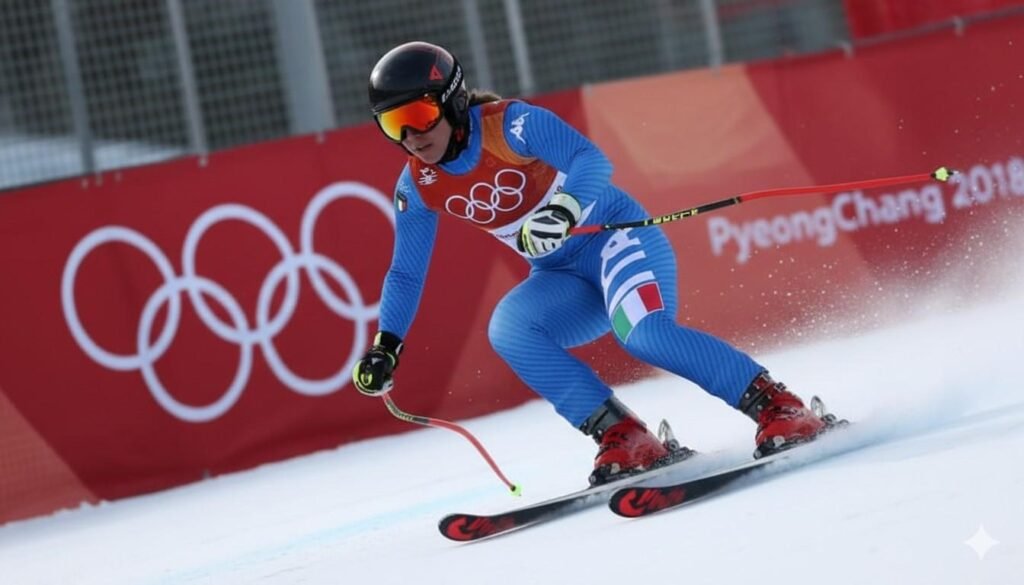
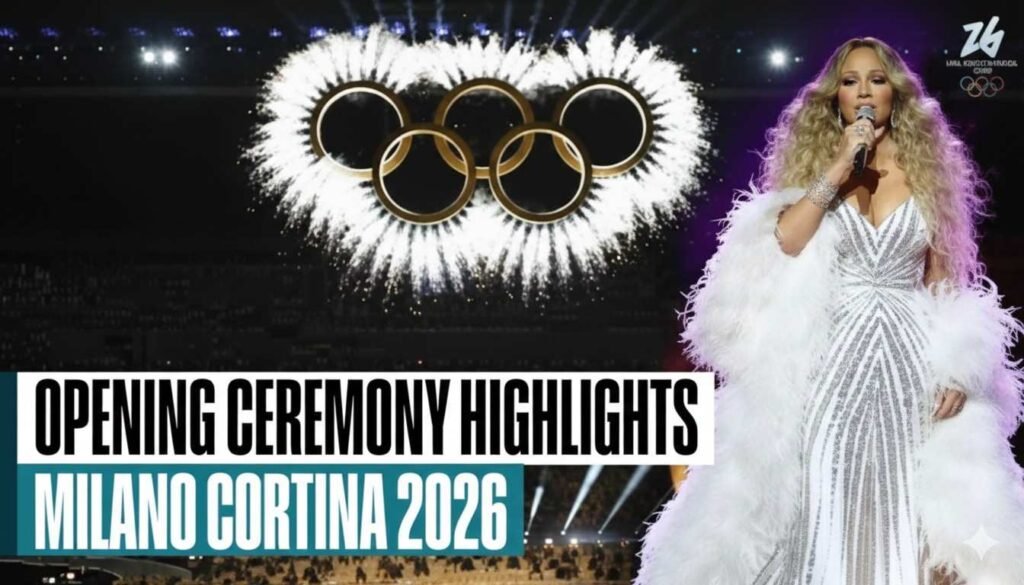
  • Olympics 2026 Branding| The Shocking Truth Behind the Games

    Olympics 2026 Branding

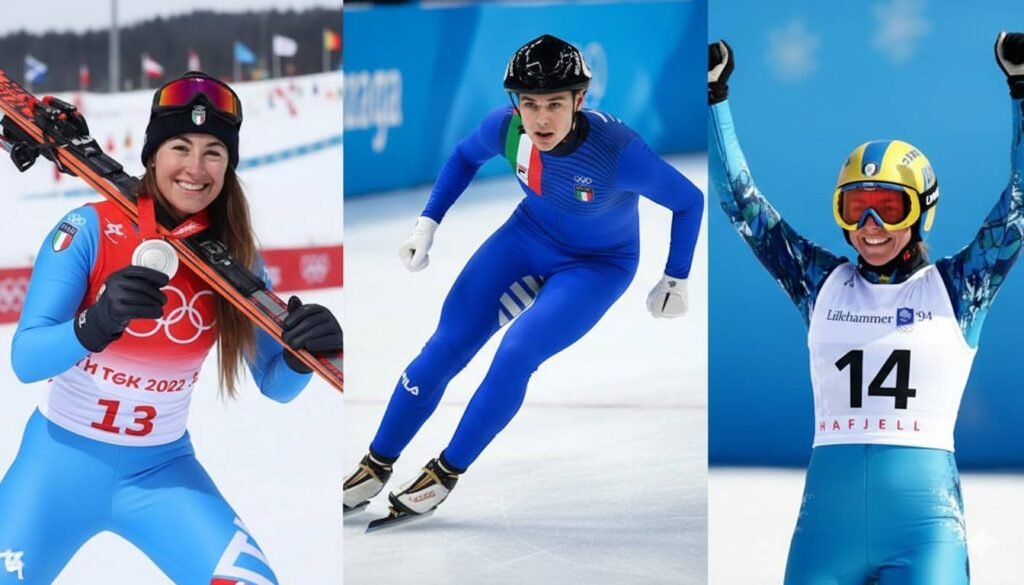
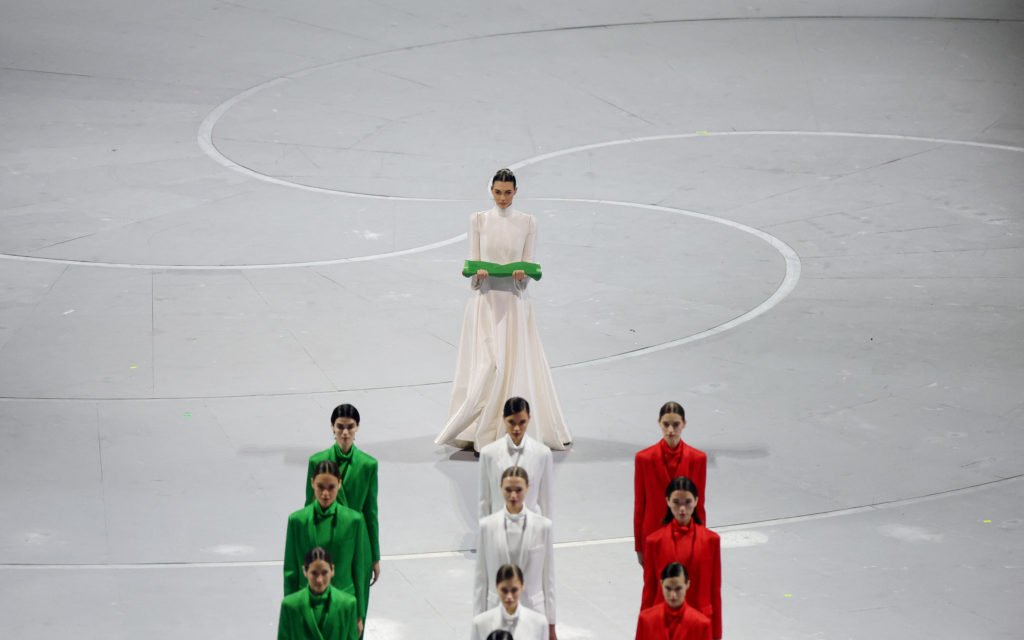
    Over time, the Olympic Games have changed from pure sports competition into a powerful global brand. However, with modern Olympics marketing and strong visual identity, the focus is no longer only on medals. In the middle of this shift, Olympics 2026 branding reflects how image and storytelling now shape the Games.
    Moreover, events like Olympics 2026 show how Olympic brand strategy is built to attract sponsors, media, and tourism. As a result, branding helps reach younger audiences through digital platforms. Still, many fans feel this sports commercialization is slowly changing the original Olympic spirit.

    What Makes Olympics 2026 Branding Different?

    Unlike past Olympics, Olympics 2026 branding focuses more on creating a global spectacle than just celebrating sports. Big sponsors like Coca-Cola and Visa are using modern Olympics marketing to reach audiences worldwide. From social media campaigns to branded fan zones, every corner of the Games is carefully designed to boost visibility and engagement.
    Luxury and lifestyle brands are also playing a huge role in shaping the image of the event. For example, Omega highlights precision and elite performance through Olympic brand strategy, while fashion brands showcase limited edition collections tied to the Games. Even smaller sponsors invest in interactive digital content, ensuring their presence reaches millions of viewers online.
    This commercial focus has changed how fans experience the Games. While sports event branding increases excitement and creates viral moments, some critics argue that it overshadows the competition itself.

    Role of Corporate Sponsorship in Olympics 2026

    Corporate sponsorship plays a huge part in Olympics 2026 branding, turning the Games into a multi-billion-dollar marketing event. Brands like Coca-Cola, Visa, and Samsung are everywhere-from stadium banners to digital campaigns. Through modern Olympics marketing, sponsors aim to connect with fans long before the competition even begins.
    Moreover, companies use creative activations to engage audiences. Olympic brand strategy now includes fan experiences, influencer partnerships, and interactive apps. For example, Visa runs cashless experience zones, Coca-Cola creates pop-up fan zones, and Toyota showcases eco-friendly vehicles in Olympic villages. These campaigns ensure sponsors leave a lasting impression while fans share content online.
    In addition, digital platforms amplify these efforts. Streaming partners like NBC highlight sponsored content alongside live matches, and fashion brands such as Puma design limited edition Olympic apparel. While this boosts revenue and fan engagement, some critics argue that sports event branding can overshadow the athletes’ performance

    Host Cities as Global Brands

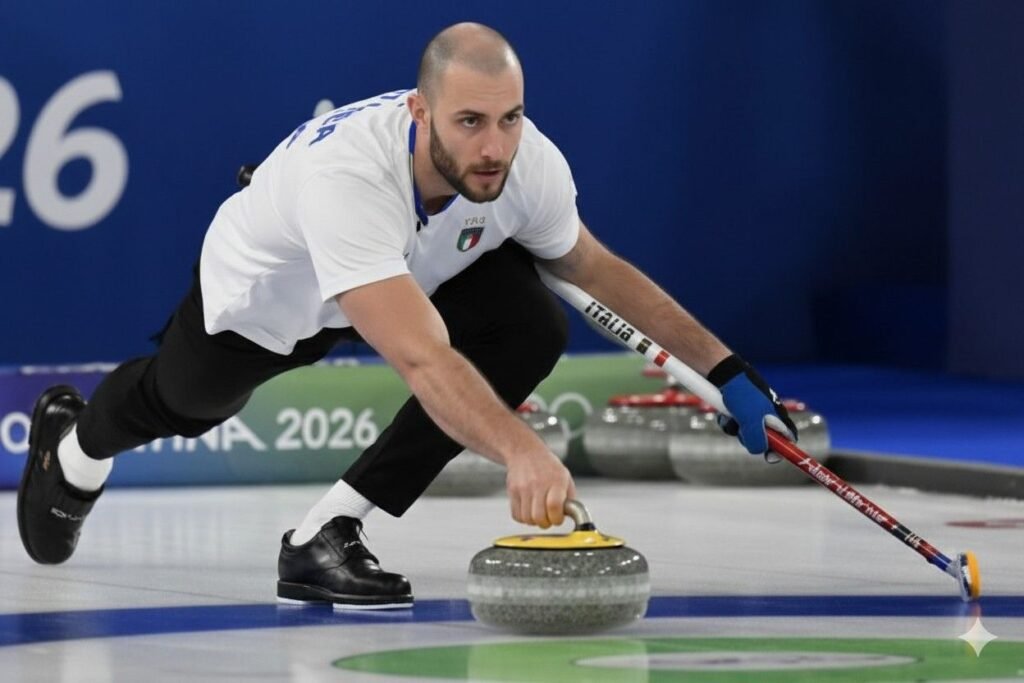
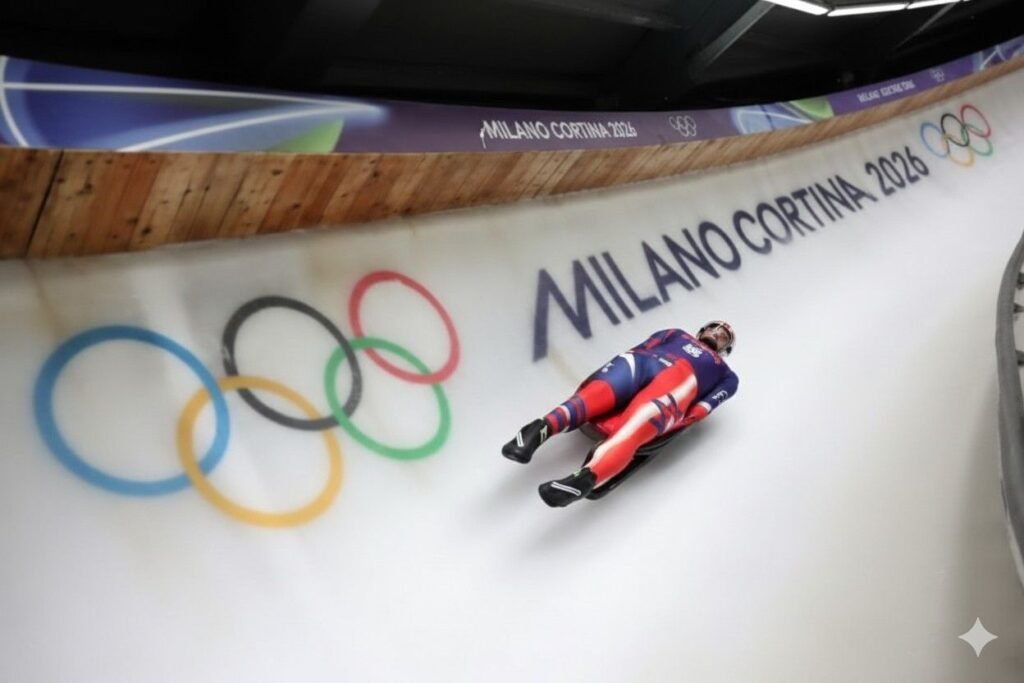
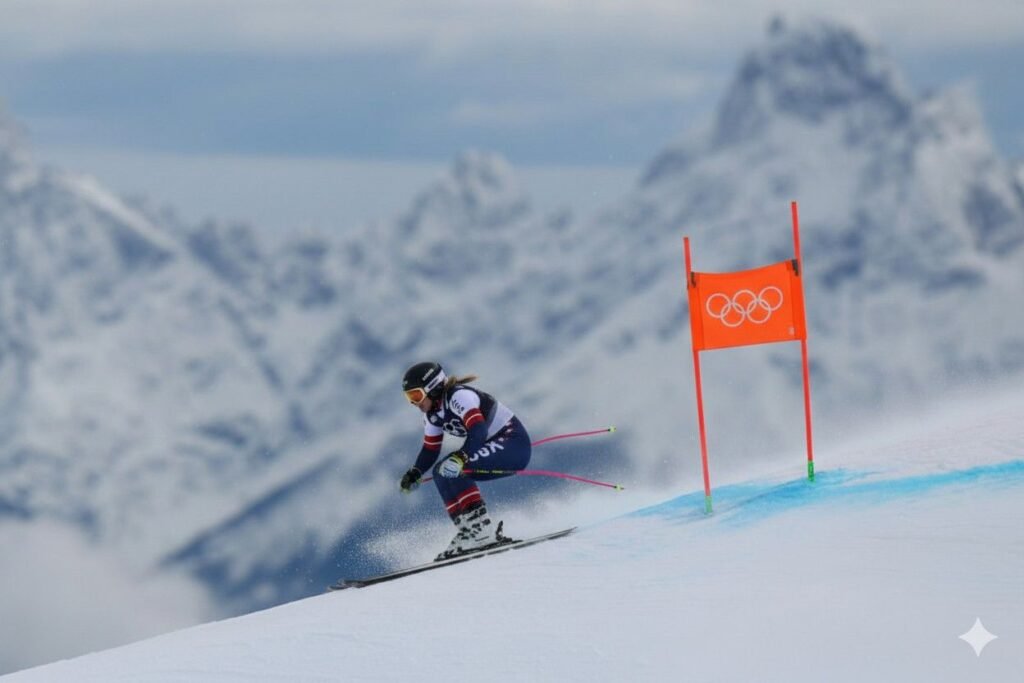
    The host cities of Olympics 2026, Milan and Cortina d’Ampezzo, are using the Games to boost their global image. Through host city branding and massive media campaigns, they aim to attract tourism, investors, and international attention. In the middle of this effort, Olympics 2026 branding links city promotion closely with the sporting spectacle.
    Local governments and organizers partner with luxury brands and lifestyle companies to create an upscale experience. For example, hotels and resorts run sports tourism marketing campaigns highlighting exclusive Olympic packages, while fashion and automobile brands showcase limited editions in host city events. This strategy ensures the cities become part of the Olympic brand strategy, not just a venue.
    Furthermore, digital campaigns amplify global reach. Social media posts, virtual tours, and influencer partnerships promote Milan and Cortina as trendy and innovative destinations.

    Athletes as Brand Ambassadors

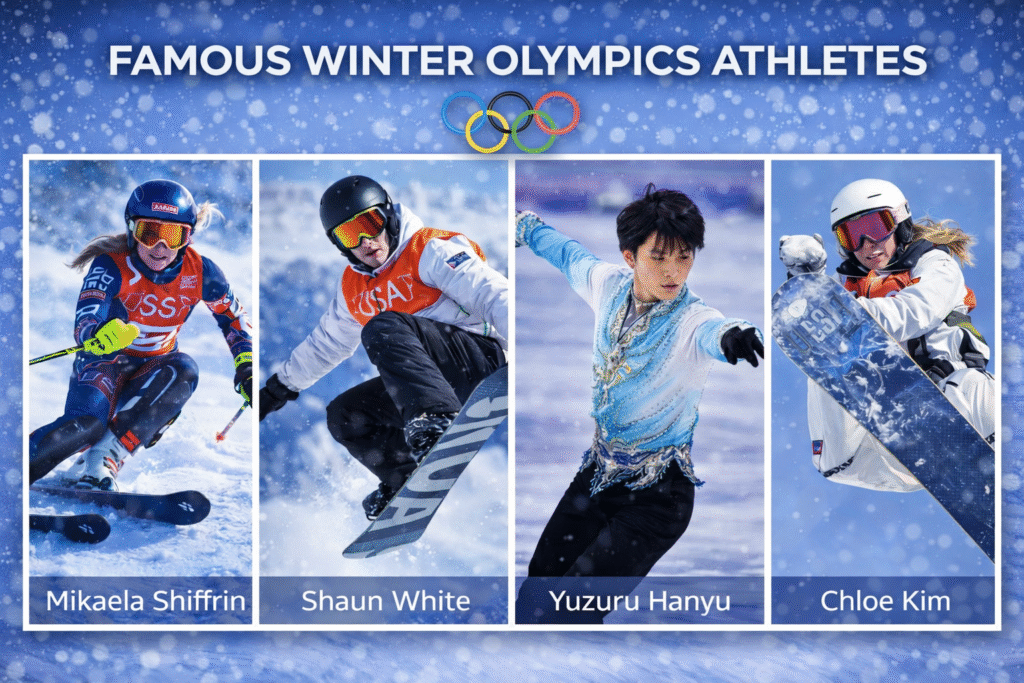
    In Olympics 2026 branding, athletes are no longer just competitors; they are powerful marketing tools. For instance, Eileen Gu, the freestyle skier representing China, partners with Nike and Oakley to promote sportswear and eyewear products globally. In the middle of this trend, modern Olympics marketing emphasizes athletes’ image and social media presence as much as their medals.
    Other examples include snowboarder Shaun White, who continues collaborations with Red Bull and Burton. These partnerships feature digital campaigns, limited-edition merchandise, and sponsored events, making the athletes central to Olympic brand strategy.
    This trend has both benefits and drawbacks. While athletes gain recognition and financial rewards, some critics argue that sports event branding now overshadows actual competition. At Olympics 2026, the focus on marketable athletes like Eileen Gu and Shaun White shows how deeply modern Olympics marketing influences the perception of the Games.

    Media, Social Platforms, and Digital Branding

    In Olympics 2026 branding, digital media plays a key role in reaching millions of fans worldwide. Platforms like YouTube, Instagram, and TikTok are used to share highlights, athlete stories, and behind-the-scenes content. Through modern Olympics marketing, viral moments and reels often get more attention than live competitions.
    Media partners like NBC and Eurosport also integrate Olympic brand strategy into their broadcasts, promoting sponsors alongside key events. For instance, short-form clips featuring Eileen Gu or Shaun White are paired with branded campaigns, ensuring fans engage with both the sport and the sponsor.
    This digital focus affects how fans experience the Games. While it increases excitement and global reach, critics argue that sports event branding sometimes overshadows athletic performance. At Olympics 2026, social media and streaming platforms show how modern Olympics marketing now shapes fan perception as much as the competitions themselves.

    Impact of Branding on Competition and Sports Values

    The rise of Olympics 2026 branding has changed how fans see the Games. Sponsors and media attention often highlight marketable moments over actual performance, making sports event branding sometimes overshadow competition. In the middle of this shift, athletes’ personal image and social media presence are as important as winning medals.
    For example, athletes like Eileen Gu and Shaun White receive global visibility not only for their skills but also through partnerships with brands like Nike, Red Bull, and Oakley. These collaborations integrate modern Olympics marketing into every medal ceremony and viral moment.
    While branding increases funding and fan engagement, some critics worry that it shifts the focus from Olympic values like fair play and athletic excellence. At Olympics 2026, the balance between competition and marketing shows how Olympic brand strategy now influences both the perception and the future of the Games.

    Is Olympics 2026 Branding Good or Bad for the Future?

    The heavy focus on Olympics 2026 branding has sparked debates among fans and experts. On one hand, modern Olympics marketing brings massive funding, better technology, and global exposure for athletes and host cities. This ensures events are watched by millions and helps sponsors like Coca-Cola and Visa invest more in sports development.
    On the other hand, critics argue that sports event branding sometimes overshadows actual competition. Fans may remember viral campaigns or athlete endorsements more than the results of matches. Even athletes like Eileen Gu and Shaun White are often talked about for sponsored content rather than only medals, showing how Olympic brand strategy influences perception.
    Ultimately, the future of the Games may depend on finding a balance. While Olympics 2026 branding ensures global attention and commercial success, preserving the Olympic spirit, fair competition, and athlete-focused storytelling will be essential for maintaining credibility.

    Conclusion

    Olympics 2026 branding shows that the Games are no longer just about medals or competition. Through modern Olympics marketing, sponsors, host cities, and media partners create a global spectacle where visibility and engagement matter as much as athletic performance. Fans now experience the Olympics through viral content, branded campaigns, and digital highlights.
    Athletes like Eileen Gu and Shaun White are not only competitors but also global ambassadors, reflecting how Olympic brand strategy integrates personalities, sponsorships, and social media. Even cities like Milan and Cortina use the Games to boost tourism and luxury branding, showing the event’s commercial influence.
    While critics worry about the impact on competition, sports event branding has undeniably increased funding, fan engagement, and global reach. At Olympics 2026, the Olympics now stand at the intersection of sport and business, marking a new era where branding and competition coexist to define the Games’ modern identity.

    FAQs

    Q1: What is Olympics 2026 branding?
    A: Olympics 2026 branding refers to how sponsors, host cities, and media create a global image for the Games. Through modern Olympics marketing, everything from logos, athlete campaigns, and digital content is designed to engage fans worldwide.

    Q2: How do sponsors influence the Olympics?
    Sponsors like Coca-Cola, Visa, Red Bull, and Nike use Olympic brand strategy to reach millions of viewers. They run advertisements, fan zones, and social media campaigns that make the Games as much about branding as competition.

    Q3: Are athletes part of the Olympics branding?
    Yes, athletes like Eileen Gu and Shaun White act as brand ambassadors. Their performance, social media presence, and sponsorship deals are used in sports event branding to attract global attention.

    Q4: How do host cities benefit from branding?
    Host cities like Milan and Cortina d’Ampezzo use the Games for host city branding and sports tourism marketing, promoting tourism, investment, and international recognition while linking the city to the Olympics.

    Q5: Does branding affect the competition?
    Some critics argue that sports event branding can overshadow athletic performance. However, it also increases funding, fan engagement, and global exposure, showing that Olympic brand strategy balances commercial success with competition.

  • The Shocking Truth Behind Athletes Skipping Tournaments | 2026

    Athletes Skipping Tournaments

    Modern sports have become increasingly demanding, leaving players with back-to-back competitions and little recovery time. Recently, the issue of athletes skipping tournaments has gained attention, as many are prioritizing mental health awareness and long-term performance. Fans and analysts are now questioning how packed sports schedules affect career longevity.
    These decisions are rarely made lightly. Concerns about athlete burnout and injury prevention often guide the choice to sit out certain events. Consequently, sports withdrawals are being viewed as strategic moves rather than a lack of commitment, signaling a shift in modern athletic priorities.

    Why Are Athletes Skipping Tournaments More Than Ever?

    In recent years, athletes skipping tournaments has become more noticeable across different sports. For example, in early 2026, a top football player from Europe chose to skip a regional international tournament after a season with over 60 matches. This decision was influenced by athlete burnout and the advice of medical staff, highlighting the importance of injury prevention.
    Professional tennis players are also following this trend. Several leading players decided not to participate in certain international events in 2025 to manage mental health awareness and prevent overloaded sports schedules from affecting their performance. Consequently, these sports withdrawals are now seen as responsible career choices rather than a lack of dedication.
    Even in team sports, coaches are beginning to respect such decisions. When multiple players opted out of early 2026 competitions, tournament organizers had to adjust schedules. This shows how modern sports increasingly balance performance with long-term health and athlete well-being.

    Packed Sports Calendars and Player Burnout

    Modern athletes face some of the most demanding schedules in history. With matches, tournaments, and training stacked back-to-back, it’s no surprise that athletes skipping tournaments has become more common. Long seasons and intense sports schedules often lead to athlete burnout, forcing players to make tough decisions for their health.
    In football, top players sometimes play over 60 matches a year, leaving little time for rest. Similarly, professional tennis and basketball stars have started withdrawing from certain events to manage fatigue. As a result, sports withdrawals are increasingly accepted as a necessary strategy for injury prevention and performance longevity.
    Coaches and sports organizations have begun to notice the pattern. Adjustments in international sports schedules are now considered to help reduce strain on players. Therefore, mental health awareness and careful workload management are becoming integral to modern sports planning.

    Injury Risk in International and Domestic Tournaments

    One major reason for athletes skipping tournaments is the high risk of injuries in both international and domestic events. For example, world‑class fast bowler Pat Cummins was ruled out of the 2026 T20 ICC World Cup squad due to ongoing back issues that needed careful rest and injury prevention planning.
    Even in shorter formats, fitness concerns are serious. In the same tournament, Sri Lanka star all‑rounder Wanindu Hasaranga was forced to exit due to a hamstring tear, showing how sports withdrawals protect long‑term performance over immediate participation.
    Medical teams now play a critical role in these decisions, as players are often advised to rest after heavy competition to reduce the chance of severe injuries. Therefore, athlete burnout, workload management, and injury prevention are tightly linked in modern sports planning.

    Club vs Country Conflicts in Modern Sports

    Another reason for athletes skipping tournaments is the ongoing club vs country conflict. In early 2026, a well-known European footballer chose to skip an international friendly to honor commitments with his club team, which had a congested match schedule. This highlights how contract obligations and sports scheduling issues can influence player decisions.
    Professional clubs often prefer to protect their star players from fatigue or injury, especially during long seasons. Consequently, sports withdrawals are sometimes encouraged to ensure top performance in domestic leagues. Fans and analysts slowly understand that skipping certain tournaments can be a strategic move rather than disloyalty.
    Moreover, national associations are beginning to adapt. Policies now occasionally allow flexibility for players to miss non-critical tournaments. Therefore, balancing athlete well-being, club priorities, and international competition has become essential in modern sports management.

    How Fans and Sports Bodies React to Athletes Skipping Tournaments?

    When athletes skipping tournaments happens, fans often have mixed reactions. For example, world No. 1 tennis star Aryna Sabalenka announced she would skip several 2026 events to protect her health, even though it might cost her ranking points. Her choice sparked debate about whether sports schedules are too demanding and if athlete well‑being should come first.
    In other cases, fans have shown support and criticism at the same time. Some praise decisions that protect mental health awareness, while others feel disappointed when favorite players miss big matches. Therefore, sports authorities are trying to balance fan expectations with workload management and player safety.
    As a result, many teams and organizers are adjusting rules or offering more rest periods.

    Are Athletes Skipping Tournaments Changing the Future of Sports?

    The trend of athletes skipping tournaments is gradually reshaping modern sports. For instance, in early 2026, football stars like Erling Haaland and Kylian Mbappé skipped certain friendly matches to focus on recovery and club commitments. This shows how sports withdrawals are influencing how tournaments are scheduled and how fans perceive player priorities.
    Organizers are now reconsidering international sports schedules to reduce fatigue and improve athlete performance. Consequently, tournaments are being planned with more rest days and fewer back-to-back events. This balance between competition and athlete well-being may define the next decade of professional sports.
    Moreover, young athletes are taking note of these decisions. Seeing stars prioritize mental health awareness and long-term career planning encourages them to be more strategic. Therefore, skipping non-critical events is increasingly seen as a smart, responsible approach rather than a lack of dedication.

    Conclusion

    In conclusion, athletes skipping tournaments is becoming a strategic and accepted trend in modern sports. Players like Aryna Sabalenka, Erling Haaland, and Kylian Mbappé prioritize mental health awareness, injury prevention, and long-term career success. Decisions are often influenced by packed sports schedules, high performance pressure, and the need for careful workload management. Consequently, these sports withdrawals are increasingly seen as responsible choices rather than a lack of dedication.
    Fans and organizers are adapting to this shift. Tournament schedules are now being adjusted to provide rest and recovery, reflecting a more athlete-centered approach. Overall, skipping certain events ensures a balance between health, performance, and career longevity, signaling a major change in how professional sports operate today.

    FAQs

    Q1: Why do athletes skip tournaments intentionally?
    Athletes skip tournaments to prevent injuries, reduce mental stress, and manage overloaded sports schedules.

    Q2: Is skipping tournaments bad for a player’s career?
    Not necessarily. Players like Kylian Mbappe or Aryna Sabalenka show that careful workload management and sports withdrawals can protect careers.

    Q3: Are international tournaments losing importance?
    Some non-critical events may be skipped, but top competitions remain highly valued. The trend mainly affects scheduling and player participation strategies.

    Q4: Will sports organizations change rules because of this trend?
    Yes. Many organizers now adjust international sports schedules and provide rest periods to ensure athlete well-being and better performance.

  • You Won’t Believe the Dark Side of International Sports | 2026

    Dark Side of International Sports

    International sports look exciting on the surface, but the dark side of international sports is rarely discussed. Fans see trophies and celebrations; however  they do not see the problems behind the scenes. This hidden reality raises serious questions about fairness and honesty in global sports.
    Moreover, international sports corruption has slowly become part of the system. Many people believe sports are pure, but power and money often control decisions. As a result, the truth about the sports industry remains mostly ignored.
    Therefore, understanding the sports industry truth is very important for fans. When people know what really happens, they can demand fair play and transparency. In the end, awareness is the first step toward change.

    Match Fixing Scandals That Shook International Sports

    Pakistan Cricket Spot-Fixing Scandal (2010)

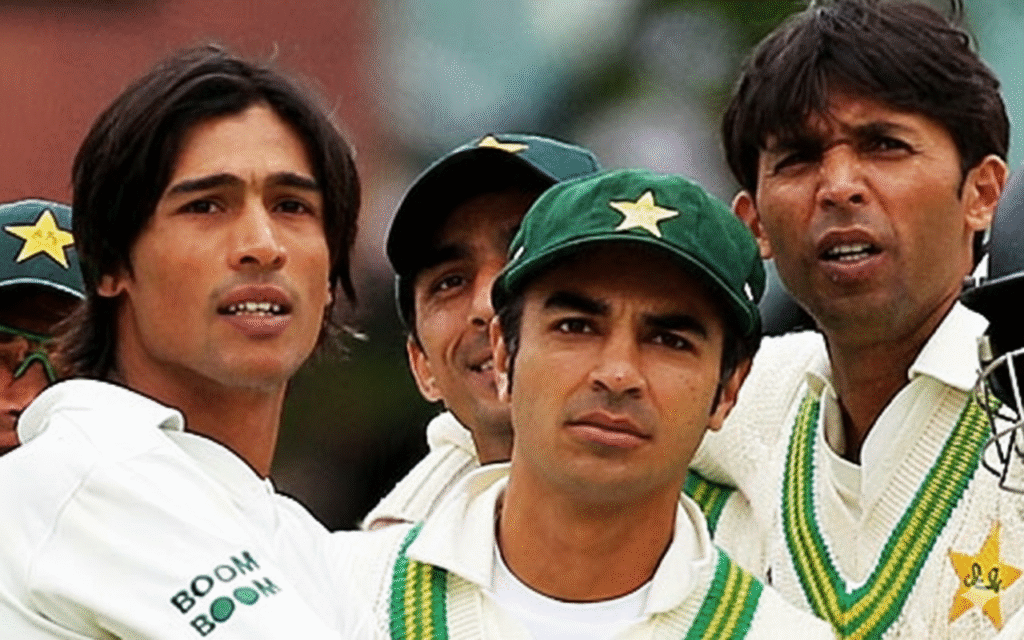
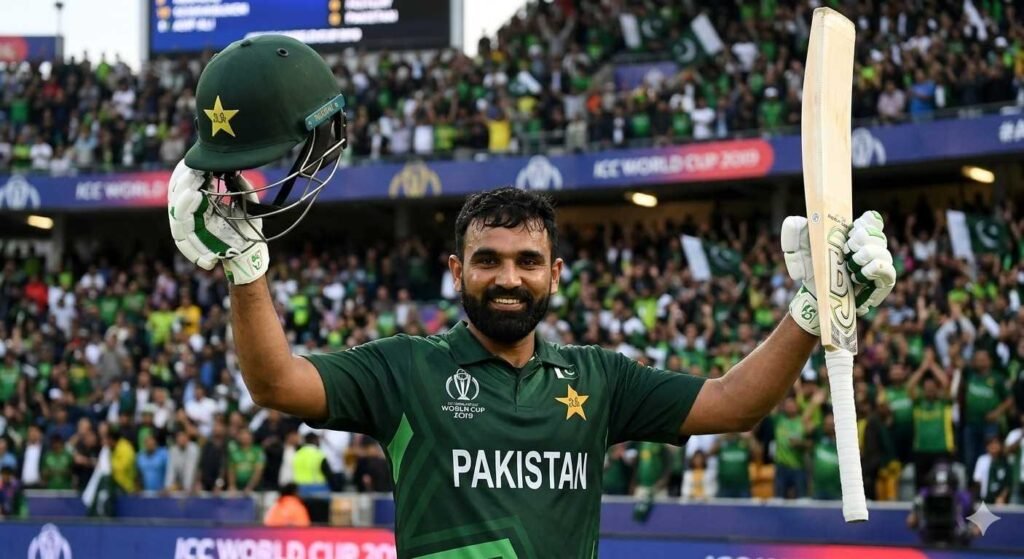
    One of the most famous cricket fixing cases came from Pakistan. Captain Salman Butt, along with Mohammad Asif and Mohammad Amir, fixed no-balls in a Test match against England at Lord’s. As a result, Salman Butt, along with Mohammad Asif and Mohammad Amir, players were banned and jailed, shocking cricket fans worldwide.

    South Africa’s Captain Involved in Fixing (2000)

    In South Africa, former captain Hansie Cronje admitted taking money from bookmakers to fix matches. This confession destroyed his career and led to a lifetime ban. Because of this, cricket fans realized corruption existed even at the highest level.

    Bangladesh Premier League Fixing Case

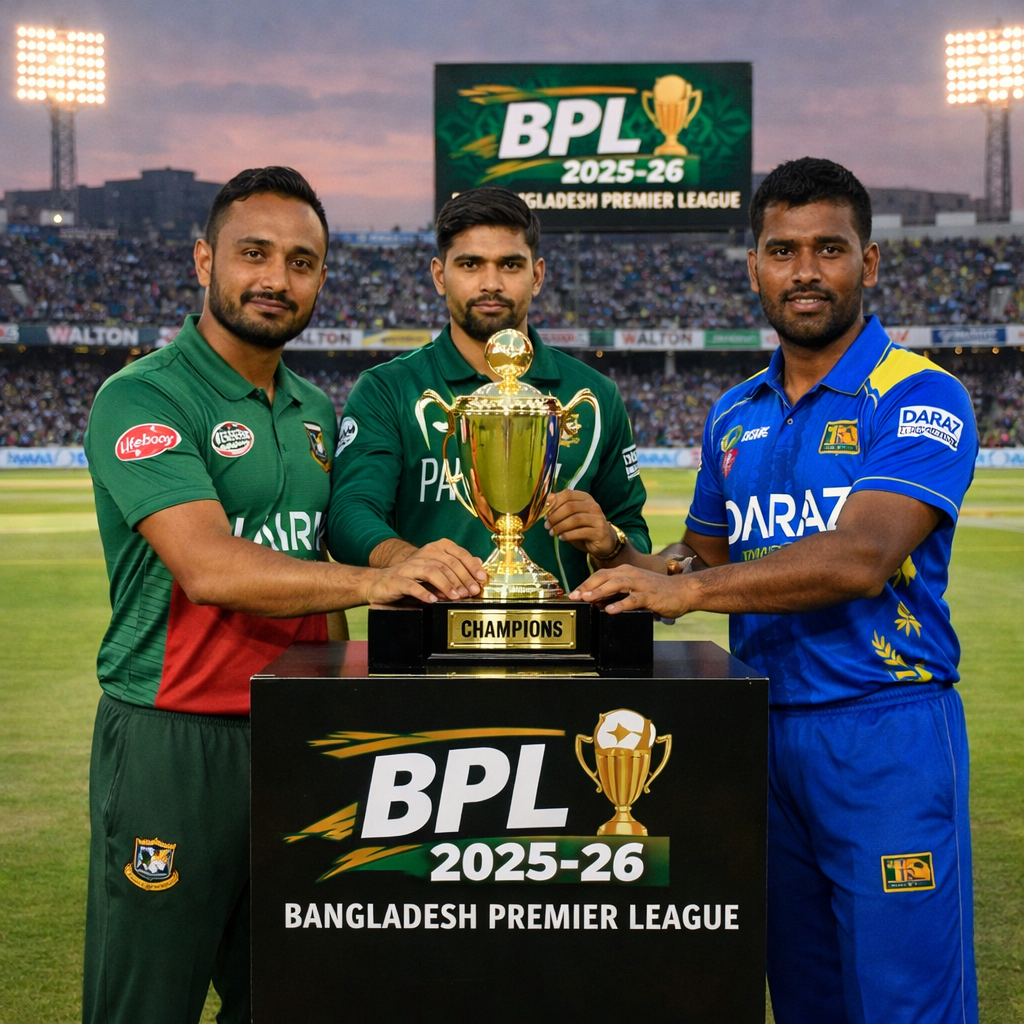
    The Bangladesh Premier League (BPL) also faced fixing issues when player Mohammad Ashraful admitted involvement in spot fixing. Several local players were banned as well. Therefore, trust in domestic T20 leagues was badly affected.

    Lebanon National Team Football Scandal (2013)

    In football, Lebanese players Ramez Dayoub and Mahmoud El Ali were banned for life for fixing international matches. They played for the Lebanon national team, which made the scandal even more serious. As a result, the country’s football image suffered globally.

    Zimbabwe Football “Asiagate” Scandal

    Zimbabwe football faced a huge crisis when many players were accused of fixing friendly matches during Asian tours. The scandal involved players from Zimbabwe, and several were suspended. Because of this, African football credibility took a major hit.

    Nikolay Davydenko Betting Scandal (Russia)

    In 2007, Nikolay Davydenko from Russia, a top-ranked tennis player, was linked to suspicious betting patterns. Although he denied fixing, betting companies flagged the match due to unusual money flow. As a result, tennis authorities started taking match fixing more seriously.

    Serbian Player David Savic Case

    Later, David Savic from Serbia was banned for life after being found guilty of fixing matches for money. Investigators proved he shared inside information with betting groups. Therefore, his case became a warning for other players.

    Corruption in International Sports Organizations

    FIFA Bribery Scandal (Global Football)

    FIFA faced one of the biggest corruption scandals in sports history. Senior officials accepted millions in bribes for World Cup hosting and media rights. As a result, many top FIFA members were arrested or banned.

    Olympics Hosting Corruption (IOC)

    The International Olympic Committee (IOC) was accused of unfair bidding deals. Some cities allegedly paid hidden benefits to win hosting rights. Therefore, the Olympics’ image of fair play was badly questioned.

    Cricket Board Power Abuse (Multiple Countries)

    In international cricket, powerful board members influenced team selection and league contracts. Players with connections often got chances over talented newcomers. Because of this, merit-based cricket suffered in many countries.

    African Football Federation Misuse of Funds

    In Africa, football officials were accused of misusing development funds. Money meant for players and stadiums was never delivered. As a result, football growth in poor regions slowed down.

    Doping and Performance-Enhancing Drugs in International Sports

    Lance Armstrong (Cycling, USA)

    One of the most famous doping cases involved Lance Armstrong from the USA. He won seven Tour de France titles but was later stripped of all victories for using banned performance-enhancing drugs. As a result, he faced lifetime bans and lost sponsorships, shocking fans worldwide.

    Maria Sharapova (Tennis, Russia)

    In tennis, Maria Sharapova from Russia tested positive for meldonium in 2016. Although she claimed it was unintentional, she was banned for 15 months. Therefore, her case highlighted how even top athletes can get involved in doping scandals.

    Justin Gatlin (Athletics, USA)

    Sprinter Justin Gatlin from the USA was banned twice for using steroids. Despite returning to compete at the highest level, his reputation remained tarnished. Because of this, fans and fellow athletes often question performances in track events.

    Cycling and Weightlifting Scandals (Global)

    Many athletes in cycling and weightlifting, especially from Eastern Europe and China, have been caught using steroids and other banned drugs. Anti-doping agencies continue investigations, revealing that doping is widespread beyond individual cases.

    Prithvi Shaw Doping Suspension (India)

    Indian opening batsman Prithvi Shaw was banned for eight months by the BCCI in 2019 after testing positive for the banned substance terbutaline during the Syed Mushtaq Ali Trophy. He said he took a cough syrup without knowing it contained the prohibited drug. As a result, Shaw missed nearly a year of cricket and learned how strict anti‑doping rules are in professional sport.

    Mental Health Crisis among Professional Athletes

    Athletes face enormous pressure to perform, but the mental health of athletes is often ignored. Many experience stress, anxiety, and depression because fans and media expect constant success. As a result, some athletes struggle quietly without support.
    In cricket, for example, Cheteshwar Pujara spoke about the mental toll of long tours and constant criticism in India. Players often feel isolated, and mistakes are magnified by social media. Therefore, mental health issues in cricket are becoming more recognized but still need better support.
    In football, stars like Andres Iniesta and Mesut Ozil admitted facing anxiety and stress due to public scrutiny and intense schedules. Lower-league players, who earn less, face even more pressure.
    Eventennis players like Naomi Osaka from Japan openly withdrew from tournaments to focus on her mental health. Fans were shocked, but this move highlighted that even top athletes are vulnerable to mental stress.

    Exploitation of Young Talent in International Sports

    Many young athletes face unfair treatment in sports, and the dark side of international sports is visible early in their careers. They are often signed to long contracts with low pay while clubs or federations profit
    Incricket, players like Shubman Gill (India) were under immense pressure from a young age to perform in domestic leagues and international matches. Even minor mistakes were criticized heavily. Therefore, early fame can harm confidence and growth.
    In football, youth academies in countries like Nigeria and Brazil have been accused of promising opportunities abroad but exploiting young players for money. Many never get proper education or career support
    Tennis also shows exploitation in juniors, with young players from Eastern Europe and Asia pressured into constant tournaments for prize money. Coaches often prioritize profit over the athlete’s health. In the end, lack of protection makes young athletes vulnerable to both physical and emotional stress.

    Politics and Bias in International Sports

    Politics often interfere with sports, showing the dark side of international sports. Countries sometimes use athletes as tools for national image rather than focusing on fair competition.
    In cricket, the India Pakistan rivalry has led to cancellations of bilateral series and players missing opportunities due to political tensions. Matches are sometimes influenced by government decisions rather than sporting merit.
    In football, Qatar’s 2022 World Cup faced allegations of bias in refereeing and hosting rights controversies. Critics claimed political influence affected decisions and media coverage.
    Even the Olympics have seen politics shape sports. For example, the 1980 Moscow Olympics and 1984 Los Angeles Olympics were heavily boycotted due to global politics. Athletes trained for years but missed the chance to compete.

    Media Silence and the Untold Truth of Sports

    The media often shows only the glamour of sports, hiding the dark side of international sports. Scandals, corruption, and abuse are sometimes ignored because they can hurt sponsorships or viewership.
    In cricket, controversies like board favoritism in team selection or minor domestic match-fixing are rarely reported widely. Only major international scandals get attention.
    Football also faces selective coverage. For example, the Asiagate scandal in Zimbabwe football received limited media attention outside Africa, even though dozens of players were involved.
    Even in tennis, cases involving lower-ranked players fixing matches or struggling financially are barely covered. Media focuses on stars like Federer or Nadal instead.

    Can International Sports Become Fair and Transparent?

    Many experts believe international sports can improve, but real change is slow. Transparency in sports governance and strict rules are needed to reduce corruption and match-fixing. As a result, fans could trust competitions more.
    In cricket, the International Cricket Council (ICC) introduced anti-corruption units and education programs for players. This helps prevent incidents like the 2010 Pakistan spot-fixing scandal. Therefore, rules and monitoring can make cricket fairer.
    Football has also tried reforms. FIFA now investigates bribery and financial misconduct more strictly after scandals like the 2015 corruption case. Because of this, some biased practices are being corrected.
    Even the Olympics have improved bidding and judging processes to ensure fairness. Independent monitoring and athlete protection programs aim to prevent politics or corruption from affecting results. In the end, accountability, education, and transparency are key to cleaning up international sports.
    Conclusion

    International sports look glamorous, but behind the scenes, corruption, doping, and mental pressure are common. Fans see only medals and celebrations, however, many athletes face challenges that go unnoticed.
    Match-fixing scandals, biased decisions, and exploitation of young talent show that fairness is not guaranteed. Even top athletes in cricket, football, and tennis have been caught in scandals. As a result, the dark side of sports is real and affects trust.
    Mental health struggles, media silence, and political interference make the situation worse. Awareness, strict rules, and transparency can help restore faith in sports. In the end, acknowledging these issues is the first step toward change.

    FAQs

    Q1: What is the dark side of international sports?
    The dark side of international sports includes corruption, match-fixing, doping, exploitation of young talent, mental health struggles, and political interference. These issues often remain hidden from fans.

    Q2: Which famous athletes were involved in match-fixing?
    In cricket, Salman Butt, Mohammad Amir, and Mohammad Asif (Pakistan) were caught in the 2010 spot-fixing scandal. In football, players like Ramez Dayoub and Mahmoud El Ali (Lebanon) were banned for life in 2013 for fixing matches.

    Q3: Have any Indian cricket players faced doping bans?
    Yes, Prithvi Shaw received an eight-month ban in 2019 after testing positive for the banned substance terbutaline. Other players, like Yusuf Pathan, have also faced short suspensions due to inadvertent doping.

    Q4: How does politics affect international sports?
    Politics can influence hosting rights, match cancellations, or biased decisions. Examples include the India-Pakistan cricket rivalry and boycotts in the 1980 and 1984 Olympics, which affected athletes’ careers.

    Q5: Why are young athletes exploited?
    Young athletes are often pressured into long contracts with low pay, forced to compete frequently, and denied education or proper support. This happens in cricket, football, and tennis across multiple countries.

  • Esports 2026 | How Competitive Gaming Is Taking Over the World

    Esports 2026

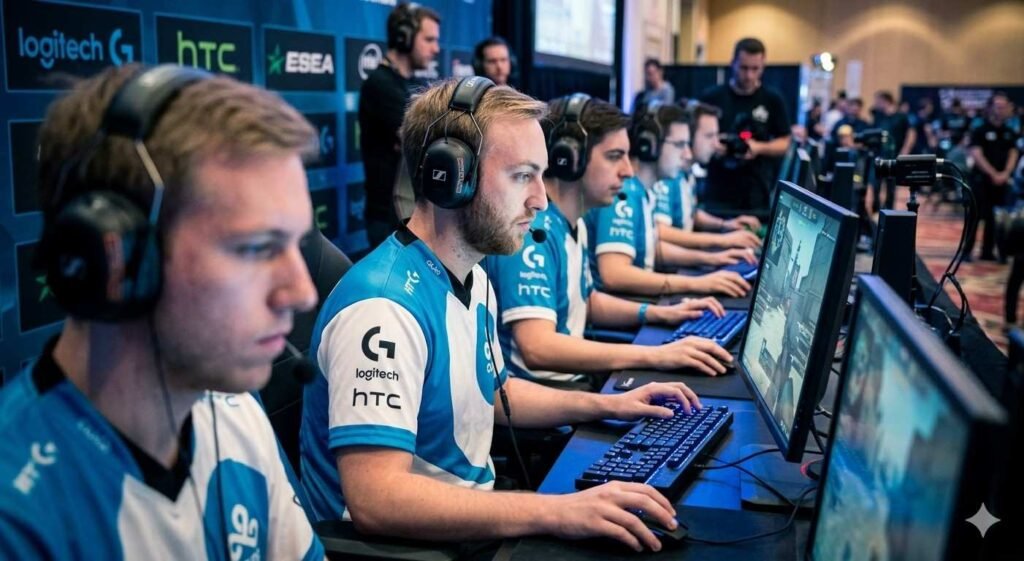
    Esports means competitive gaming where professional players compete in popular video games at an international level. It is different from casual gaming because players train daily and play for prizes. In simple words, esports is professional video gaming.
    Moreover, professional video gaming includes tournaments, leagues, and team based competitions watched by millions online. These matches are streamed live on platforms like Twitch and YouTube. As a result, esports has become a global digital sport.
    Additionally, industry events follow strict rules, schedules, and rankings just like traditional sports. Players sign contracts and represent official teams and organizations. Therefore, esports is now recognized as a serious competitive sport.

    The Rapid Growth

    In recent years, this has expanded faster than anyone expected. Millions of fans now follow competitive gaming not just for fun, but as serious entertainment. Because of this, moved from a niche hobby to a global phenomenon.
    One major reason behind this rise is easy access to online streaming platforms. Viewers can watch live tournaments on their phones without paying for TV channels. As a result, esports viewership keeps increasing across different countries.
    Big brands have also noticed the power of growth and youth-driven audiences. Companies invest heavily in teams, events, and digital ads. Therefore, it continues to grow as a profitable and sustainable industry.

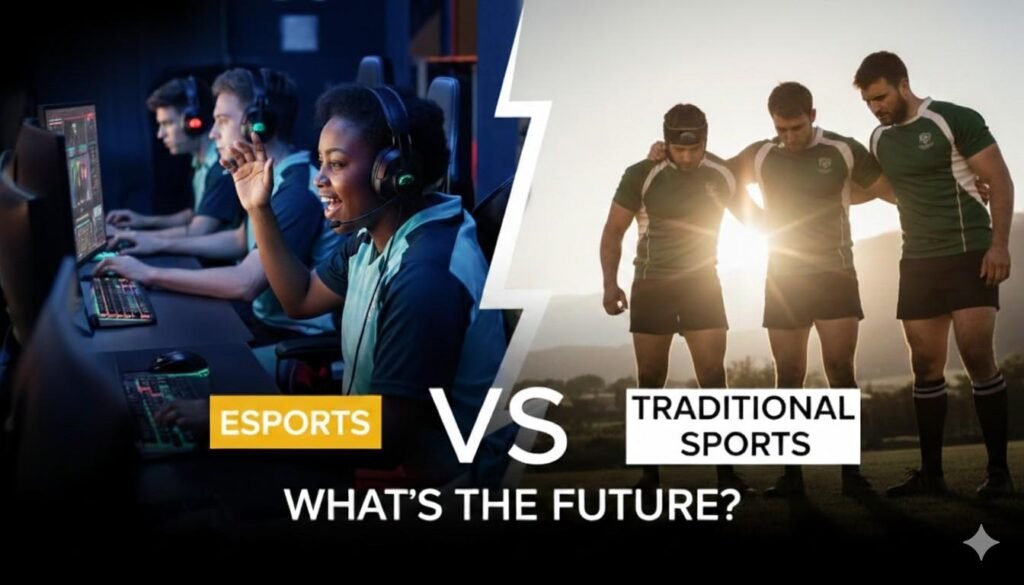
    Esports vs Traditional Sports

    Unlike traditional sports vs esports, competitions happen mostly online, allowing fans from around the world to watch instantly. Physical fitness is less important, but mental agility and strategy are critical. Consequently, it offers a completely different kind of competition.
    Team structures in esports are smaller, and matches can be shorter, unlike long seasons in sports like football or basketball. Moreover, players often practice at home or in gaming houses rather than stadiums. This makes esports more flexible and accessible.
    Sponsorships and prize money are growing fast in esports, sometimes rivaling traditional sports leagues. In fact, some esports tournaments attract more viewers online than major TV events. Therefore, the gap between digital and physical sports is steadily narrowing.

    Brand Sponsorships in Esports Compared to Traditional Sports

    Sponsorship has become a major revenue source, with big companies supporting gaming teams and tournaments. Unlike traditional sports, brands can directly reach a young, online audience through live streams and social media. As a result, marketing it feels more personal and engaging.
    Many global brands now invest in esports sponsorships because fans are highly active and loyal. From energy drinks to tech gadgets, companies see esports as a prime platform for advertising. Consequently, sponsorship deals are growing faster than in some conventional sports.
    Esports also allows smaller brands to gain visibility without huge budgets. Moreover, interactive digital campaigns let fans participate in contests or giveaways. Therefore, sponsorship in esports is innovative and far more dynamic than traditional approaches.

    Esports Viewership vs Traditional Sports Audiences

    Watching esports is different because fans can tune in from anywhere using live streaming platforms like Twitch or YouTube Gaming. Unlike traditional sports, viewers often interact in real-time with chats and polls. As a result, audiences feel more connected and engaged.
    The demographics fans are also unique, with a younger, tech-savvy crowd leading the viewership. Moreover, global access allows tournaments to attract millions of viewers at once. This makes events comparable to, and sometimes bigger than, major sports leagues.
    Advertising opportunities are evolving rapidly. Brands can target viewers directly through banners, sponsored streams, or in-game promotions. Therefore, viewership offers a new and highly effective platform for marketers.

    How They Operate?

    Unlike traditional sports teams, many organizations operate almost entirely online, with players living in different cities or countries. Practice schedules are flexible, but teamwork and strategy remain essential. As a result, team coordination relies heavily on communication tools and digital platforms.
    Contracts in it can be short-term, with players switching teams more frequently than in traditional leagues. Moreover, organizations invest in coaching, analytics, and mental health support to improve performance. This ensures that teams stay competitive and professional.
    Fan engagement also plays a big role, with supporters following individual players as much as the teams themselves. Consequently, teams focus on building personal brands alongside team success, creating a unique connection with their audience.

    Training, Skill Development, and Accessibility

    Esports players spend hour’s daily improving reaction time, strategy, and game knowledge, which is as intense as traditional sports training. Physical endurance is less important, but mental sharpness is key. As a result, professional gamers develop unique skills that set them apart.
    Training is often done online or in specialized gaming houses with coaches analyzing every match. Moreover, tools like replay reviews, analytics software, and team workshops enhance gaming skills efficiently. This allows even young players to reach high competitive levels quickly.
    Accessibility is another big advantage, as esports requires only a computer or console and an internet connection. Consequently, players from anywhere in the world can compete, making esports more inclusive than most traditional sports.

    Top Earning Esports Players vs Sports Athletes

    In esports, top players earn money through tournament winnings, sponsorships, and streaming revenue, sometimes rivaling traditional athletes. Unlike conventional sports stars, many build personal brands online to boost income. As a result, it offers multiple income streams beyond just playing.
    Prize pools in major tournaments can reach millions, attracting talent from around the world. Moreover, companies sponsor players directly, providing salaries, gear, and perks. This ensures that careers can be both profitable and sustainable.
    While physical sports have long-established leagues and salaries, is catching up quickly. Consequently, the gap between esports earnings and traditional sports incomes is narrowing, making competitive gaming a serious profession.

    The Rise of Esports Betting and Fantasy Gaming

    Esports has created a new market for online betting and fantasy leagues, where fans predict match outcomes for rewards. Unlike traditional sports betting, digital platforms allow instant engagement and global participation. As a result, betting is growing rapidly among younger audiences.
    Fantasy leagues let fans build teams from real players and compete against others based on match performance. Moreover, interactive features like live stats and leader boards make it more engaging than regular sports betting. This encourages higher fan involvement and loyalty.
    Regulations are still evolving, but many platforms are implementing safer practices for responsible betting. Consequently, wagering is becoming more structured and mainstream, attracting serious players and investors alike.

    Why Esports Attracts a Larger Digital Audience?

    Highly Interactive and Loyal Fan Communities

    Fans are no longer passive; they comment, share, and participate in live chats during matches. Engaged gaming audiences interact directly with players and streamers, making highly immersive. As a result, fan loyalty is stronger than ever.

    Streaming Platforms Over Traditional TV

    Platforms like Twitch and YouTube Gaming allow fans to watch tournaments anytime, anywhere. Unlike traditional sports TV, viewers don’t need subscriptions or tickets. Moreover, live streams reach millions worldwide instantly.

     Unique Advertising Opportunities in Esports

    Brands can use sponsored streams, in-game ads, and interactive campaigns to target digital advertising directly to fans. Esports marketing allows companies to reach younger, tech-savvy audiences effectively. Consequently, has become a digital marketing powerhouse.

    Market Overview and Live Events

    Global Market Growth

    The esports industry has grown into a multi-billion-dollar market, attracting investors worldwide. Major tournaments now offer huge prize pools, drawing top talent. As a result, it has become a serious economic force.

    Live Tournaments and Arena Events

    Events are no longer just online; large arenas host competitions with thousands of fans. Live events provide immersive experiences similar to traditional sports. Moreover, these events increase fan engagement and media coverage.

    Regional Popularity Differences

    Esports viewership varies across continents, with Asia leading in players and viewers. North America and Europe also show significant growth. Consequently, organizers tailor tournaments and content to regional audiences for maximum reach.

    How the Esports Industry Makes Money?

    Sponsorships and Brand Deals

    Many teams earn most of their revenue through sponsorships from tech companies, energy drinks, and gaming brands. These deals fund player salaries and tournament participation. As a result, sponsorships are a backbone of revenue.

    Media Rights and Streaming Revenue

    Platforms like Twitch and YouTube Gaming pay for broadcasting rights, while streamers earn through subscriptions and ads. Moreover, live streaming brings continuous income from global audiences.

    Merchandise and Ticket Sales

    Teams sell branded gear and tickets for live events, creating additional revenue streams. Fans actively buy jerseys, accessories, and event passes. Consequently, merchandise contributes significantly to overall income.

    Key Reasons Behind Popularity

    Accessibility and Global Reach

    Esports can be played anywhere with a computer or console and an internet connection. Competitive gaming is no longer limited by location or physical ability. As a result, more people can join and watch events globally.

    Youth-Driven Culture

    Young audiences dominate esports viewership, bringing energy and trends to the scene. Moreover, social media and online communities amplify their involvement and discussions. This makes culture vibrant and highly engaging.

    Exciting Competitive Format

    Short, intense matches with live streaming and interactive features keep fans hooked. Additionally, tournament formats like leagues and playoffs create suspense and loyalty. Consequently, it attracts a constantly growing fanbase.

    Industry Maturity

    Structured Leagues and Governance

    Esports is no longer the “wild west”; professional leagues now follow strict rules. Regulated esports ensures fair play and official rankings for players and teams. As a result, the industry has gained credibility.

    Player Contracts and Protection

    Teams provide contracts, salaries, and mental health support to professional gamers. Moreover, regulations protect players from exploitation and ensure long-term careers. This makes esports a more secure profession.

    Standardized Tournament Rules

    Global tournaments follow consistent formats and rules, making competitions predictable and professional. Consequently, fans and sponsors trust events just like traditional sports leagues.

    Conclusion

    Esports has grown from a niche hobby into a global digital phenomenon, attracting millions of fans worldwide. Competitive gaming offers unique experiences like interactive streaming, live tournaments, and fan engagement that traditional sports can’t fully match. As a result, esports has become a major part of modern entertainment.
    The industry’s growth is driven by sponsorships, prize money, merchandise, and technology such as VAR, AR, and AI. Moreover, professional leagues and player protections make esports a credible career path. Consequently, the esports industry continues to expand, offering opportunities for players, brands, and fans alike.
    With its global reach and constant innovation, the future of esports looks bright. It is not just a trend but a permanent evolution in the world of sports.

    FAQs

    Q1: What is esports?
    Esports is competitive gaming where professional players compete in video games at a global level. It includes online tournaments, leagues, and live events. Competitive gaming is now recognized as a serious digital sport.

    Q2: Why is esports so popular?
    Esports is popular because it is accessible, interactive, and global. Fans can watch live streams, participate in chats, and follow their favorite players easily. Digital gaming keeps audiences engaged like never before.

    Q3: How does esports make money?
    The esports industry earns revenue through sponsorships, media rights, streaming, merchandise, and prize pools. Competitive gaming also generates income from fan subscriptions and online ads.

    Q4: Can esports replace traditional sports?
    Esports is unlikely to fully replace traditional sports, but both can coexist. Digital gaming offers unique experiences that complement physical sports rather than compete directly.

  • VAR Controversies That Changed Football Matches Forever | 2026

    VAR Controversies

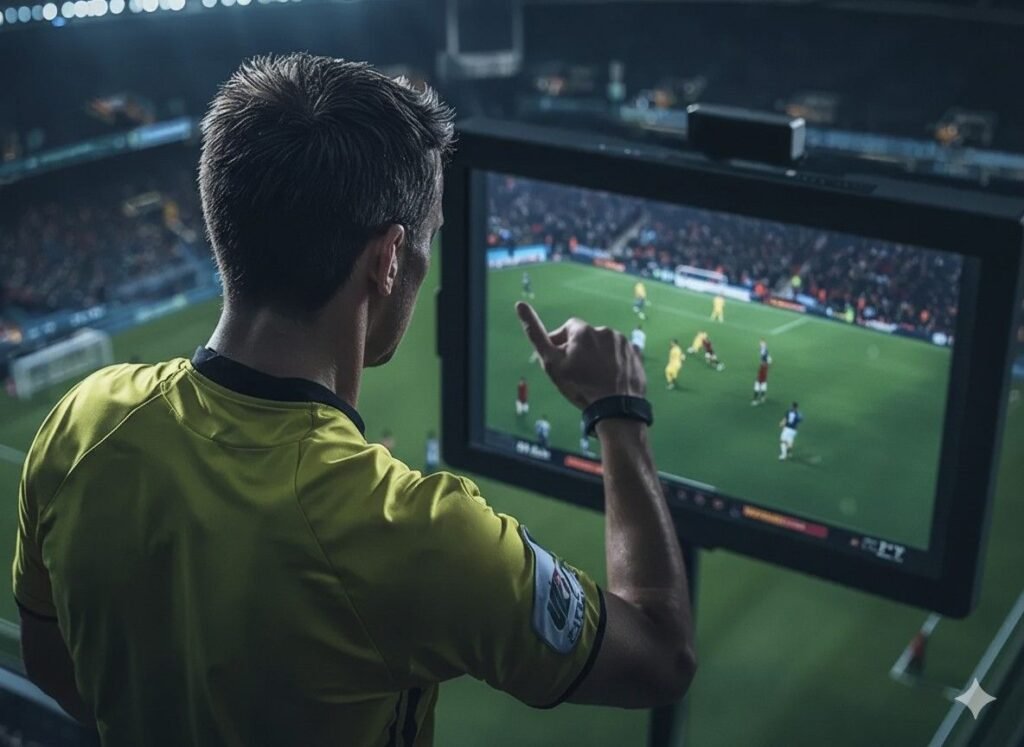
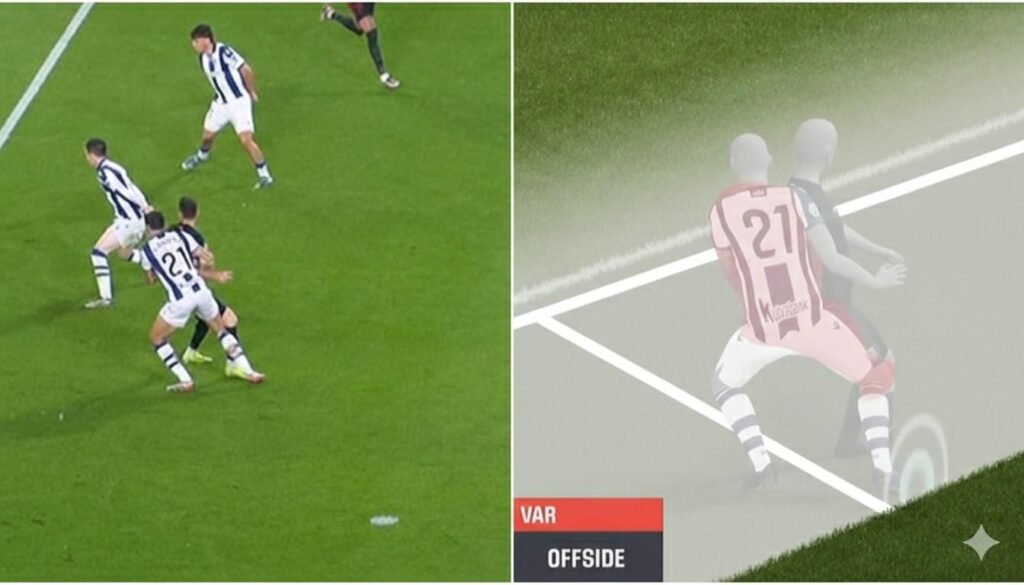
    The introduction of the video assistant referee was meant to reduce referee errors and improve fairness in football. However, many football controversies continue to happen when decisions are unclear or slow. This is why VAR controversies remain a hot topic among fans and experts alike.
    Players often hesitate to celebrate goals because of possible VAR mistakes, and many fans feel that football technology interrupts the excitement. Leagues worldwide are now trying to make VAR decisions faster and more understandable, but debates still continue.

    From Human Error to Digital Accuracy

    Football has always been affected by referee errors, and many matches were decided unfairly. Fans, players, and coaches complained about football controversies that changed results. This led to the introduction of VAR controversies, aiming to make decisions more accurate.
    With the video assistant referee, referees can now review goals, penalties, and offside calls quickly. Still, mistakes happen, and some decisions remain subjective. Football technology has improved fairness, but the debate about human vs digital judgment continues.

    How One Controversial Decision Changed the Game Forever?

    One single VAR decision can change the outcome of a football match completely. For example, in the 2019 UEFA Champions League, a late offside call overturned a winning goal, shocking fans worldwide. Moments like these create lasting football controversies and explain why VAR controversies are still hotly debated online and in stadiums.
    These decisions affect players’ emotions and team strategies. Even when the video assistant referee works correctly, delays can frustrate everyone. Referee errors of the past may have been human, but now the pressure is on technology to get it right.

    When Football Turned to Technology?

    The video assistant referee system was introduced to fix mistakes in high-stakes matches. Its roots go back to trials in the Dutch and Italian leagues, where referee errors often decided crucial games. Early incidents, like a controversial penalty in the 2016 Eredivisie, showed how football controversies could affect league outcomes and fan trust.
    FIFA officially approved VAR in 2018 to improve fairness in tournaments like the World Cup. The system reviews goals, penalties, and offside calls using football technology, reducing human mistakes. However, not all decisions are simple, which is why VAR controversies continue to spark debate among players and fans.

    What Fans Don’t See?

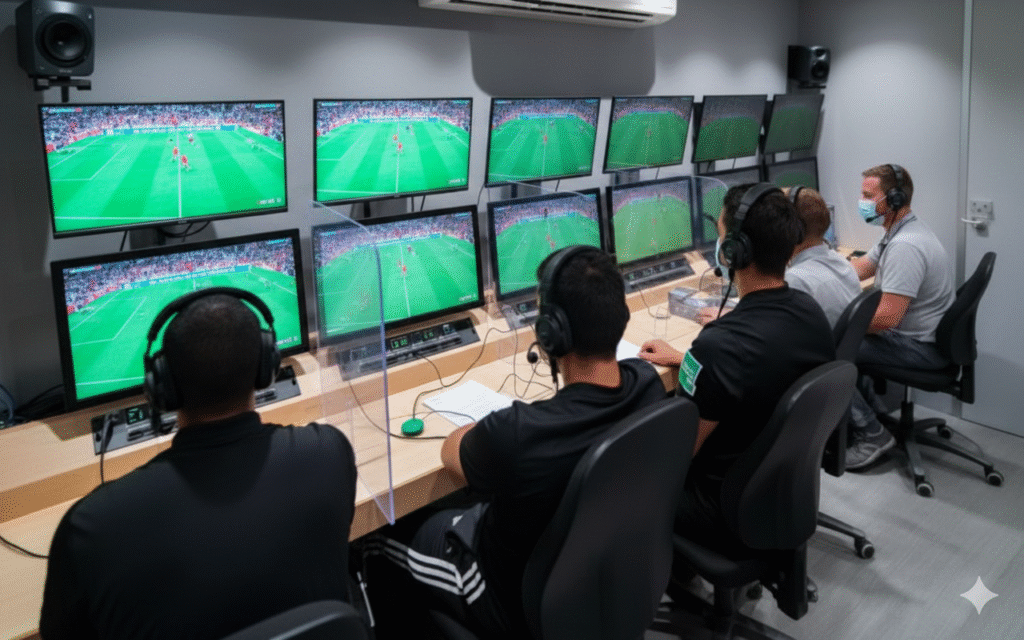
    Most fans only see the final VAR decision, but the process involves multiple cameras and officials reviewing every angle. For example, in the 2020 Premier League, a goal was initially allowed but later
    overturned after the video assistant referee spotted a marginal offside. Such moments highlight why VAR controversies are often debated online and in stadiums.
    The system communicates constantly with the on-field referee, who has the final say. Even with advanced football technology, errors can happen if angles are unclear or rules are interpreted differently. These hidden steps explain why some fans distrust VAR decisions despite its goal of fairness.

    Decisions That Restored Fairness

    Not all VAR controversies are negative; many decisions have corrected major referee errors. For example, in the 2019 FIFA Women’s World Cup, a penalty call was overturned after the video assistant referee review, giving a fair result to the team that was initially disadvantaged. Moments like this show how football technology can restore fairness and improve trust in the game.
    Correct VAR decisions help players feel confident and fans less frustrated. While some reviews take time, the system ensures that critical goals, penalties, and offside calls are double-checked. This balance between accuracy and game flow explains why VAR controversies often spark discussion rather than total rejection.

    Why VAR Is Facing Massive Fan Backlash?

    Despite its benefits, VAR controversies often upset fans and players. For example, during the 2021 Premier League, a late handball review canceled a goal, leaving thousands of fans frustrated in the stadium. Many argue that the video assistant referee interrupts the natural flow of the game and creates confusion instead of clarity.
    Social media amplifies every disputed decision, turning small referee errors into massive debates. Fans feel that football technology sometimes overcomplicates simple situations. The delays and uncertainty explain why VAR decisions are still a controversial topic in modern football.

    Has VAR Killed Goal Celebrations in Football?

    Many fans and players feel that VAR controversies have taken away the joy of spontaneous celebrations. For example, in the 2020 Bundesliga, a player hesitated to celebrate after scoring because the video assistant referee review was still ongoing. Moments like these show how football technology affects emotions on and off the field.
    Players now wait for confirmation before expressing happiness, which changes the energy in stadiums. Even when goals are eventually allowed, the excitement is reduced. This explains why some fans see VAR decisions as slowing the game and affecting the natural thrill of football.

    Why Fans Don’t Trust VAR?

    Many VAR controversies happen because fans cannot see the full process. For example, in the 2018 World Cup, a penalty decision sparked outrage as viewers only saw the final call without the video assistant referee review. Lack of clarity leads to frustration and debates over fairness in football.
    Even when the referee errors are corrected, the decision-making behind VAR decisions is often hidden. Fans want more transparency to understand why calls are made. Without clear communication, football technology can feel like a black box, increasing distrust among spectators.

    The Biggest Flaw in VAR Controversies

    Even with technology, many VAR controversies are caused by subjective judgment. For example, in the 2019 Premier League, a handball was reviewed but allowed because the referee interpreted it differently. Such moments show that referee errors are not fully eliminated, even with the video assistant referee system.

    Rules like handball or offside still leave room for interpretation. Fans argue that football technology cannot remove human opinion entirely. These subjective calls explain why VAR decisions continue to spark debate across leagues and tournaments.
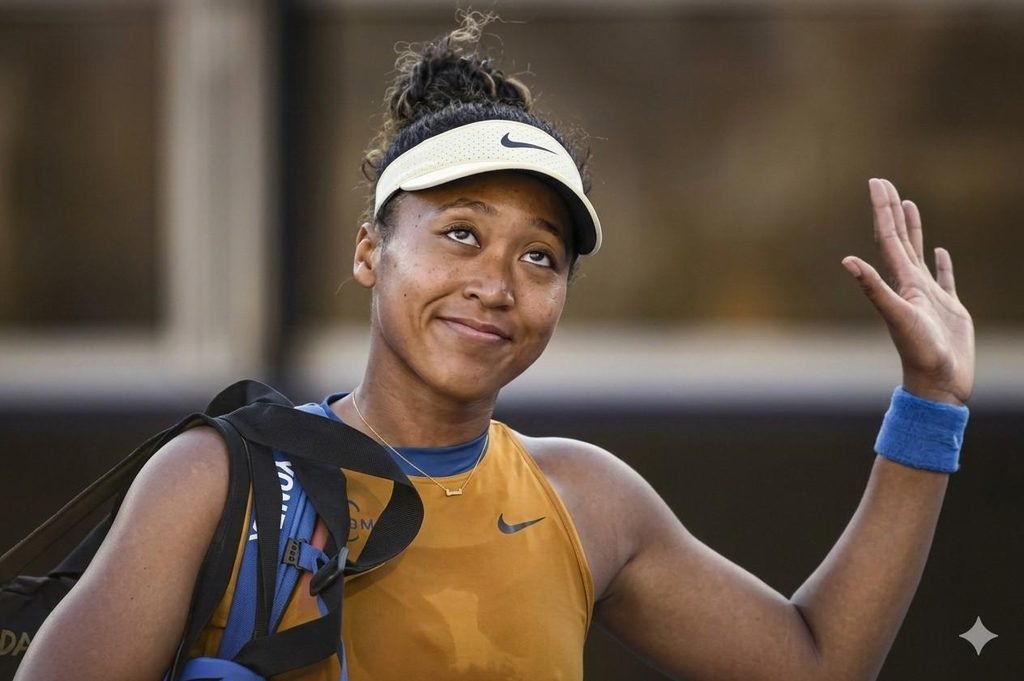
    Matches Where Technology Failed

    Not every VAR decision goes smoothly; some moments turn into major VAR controversies. For example, in the 2020 Serie A, a clear goal was wrongly disallowed due to a misjudged offside call, leaving fans and players furious. Such incidents show that even football technology can fail under pressure.
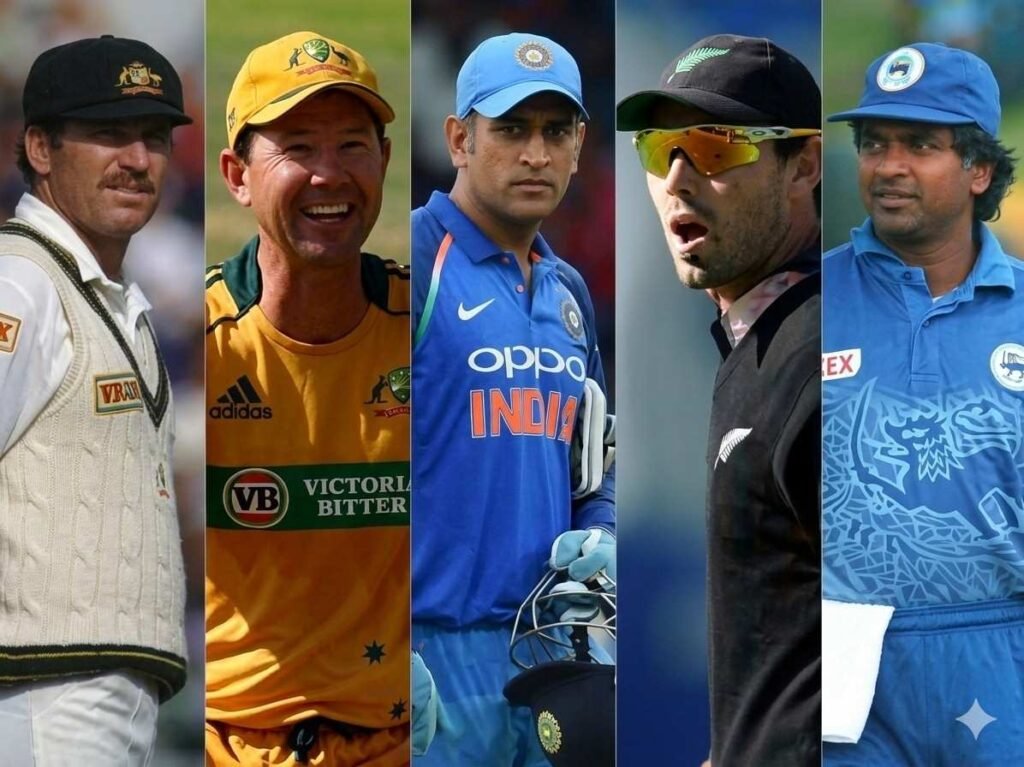
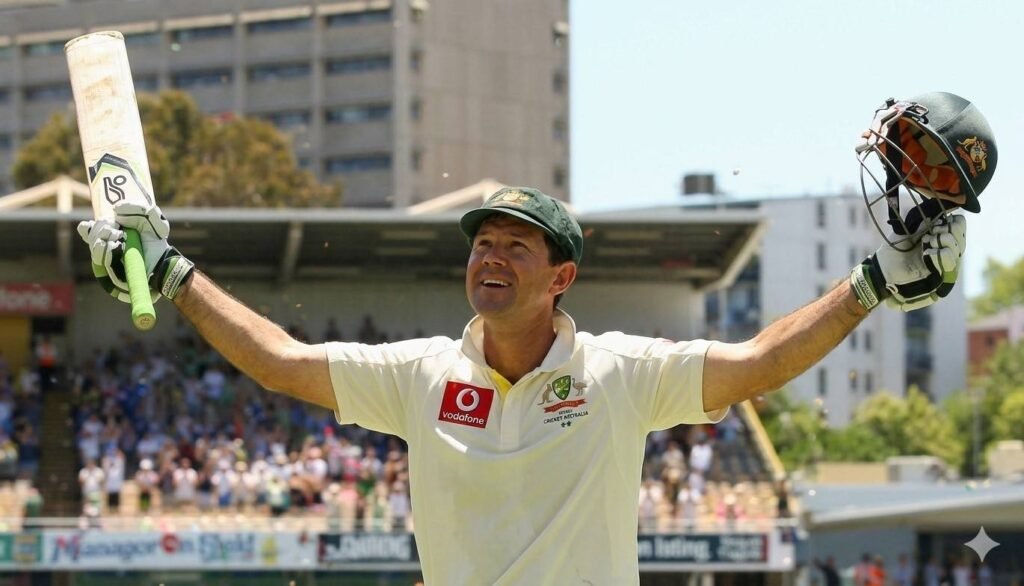
    Technical glitches, camera angles, or human misinterpretation can lead to mistakes. Fans often criticize these VAR decisions, comparing them to older referee errors that were less visible. These disasters highlight that while VAR improves accuracy, it is not perfect.

    Why Opinions on VAR Differ by Age, League, and Region

    Fans’ views on VAR controversies vary depending on age and experience. For example, younger fans in the Premier League often accept football technology, while older supporters prefer traditional refereeing. Such differences show why VAR decisions are debated globally.
    Leagues in Europe, Asia, and South America implement the video assistant referee system differently, which adds more confusion. A decision accepted in La Liga might create outrage in the Bundesliga. These regional differences make VAR controversies a constant topic in football discussions.

    Same System, Different Results

    The video assistant referee is used worldwide, but results often differ. For example, in the 2021 Premier League, a marginal offside was reviewed quickly, while a similar play in Serie A caused a long delay and debate. These differences lead to many VAR controversies across leagues.
    Even though the system is the same, interpretations and protocols vary. Fans notice that football technology is not applied uniformly, which fuels arguments about fairness. These inconsistencies explain why VAR decisions are often criticized despite technological improvements.
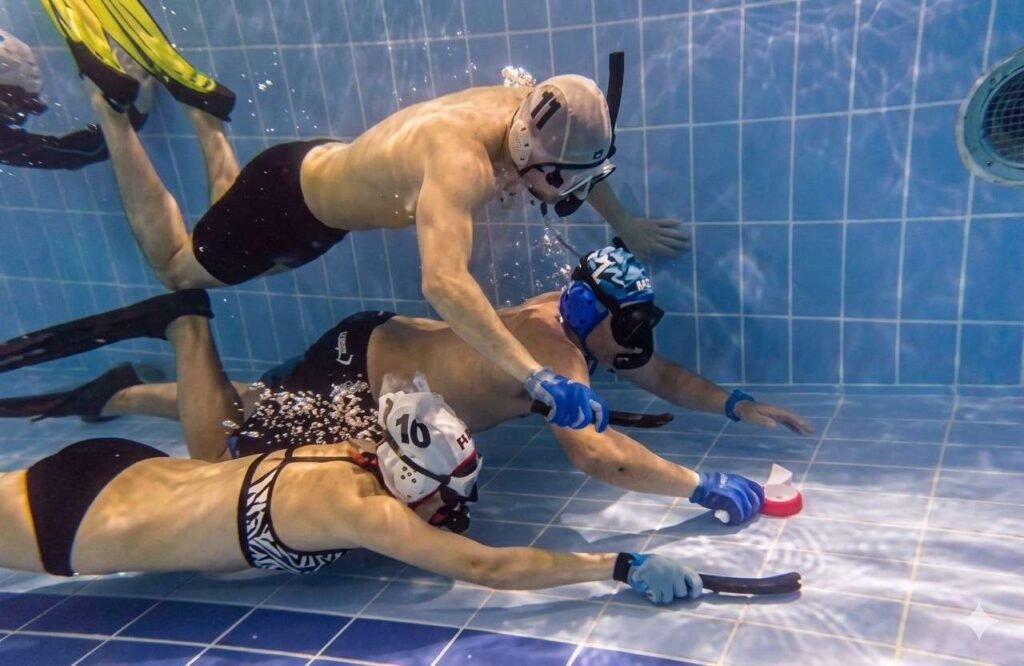
     Smarter Technology or Bigger Problems?

    The future of VAR controversies depends on smarter football technology and better protocols. For example, FIFA is testing semi-automated offside systems to reduce errors and speed up reviews. These innovations aim to make VAR decisions faster and more accurate.

    However, new technology can bring new challenges. Fans worry that automation may remove human judgment entirely, which could cause different kinds of football controversies. The balance between fairness and game excitement will decide how successful video assistant referee systems become.

    Football’s Biggest Dilemma

    While VAR controversies aim to reduce referee errors, they sometimes harm the fan experience. For example, in the 2021 Premier League, repeated delays for offside checks frustrated stadium spectators. Fans felt that football technology was slowing the game and reducing excitement.
    Players also adapt cautiously, waiting for confirmation before celebrating goals. This careful approach keeps results fair but changes the natural flow of matches. The debate over VAR decisions shows the struggle between accuracy and enjoyment in modern football.

    Conclusion

    VAR controversies have changed football in many ways, both positive and negative. While the video assistant referee reduces referee errors and improves fairness, delays and unclear calls sometimes frustrate fans and players. For example, late offside or handball reviews in major leagues often spark heated debates.
    Despite criticism, football technology is likely here to stay. Leagues worldwide continue to refine VAR decisions to balance accuracy with the flow of the game. Ultimately, VAR controversies remind us that even with advanced systems, football remains unpredictable and exciting for players and fans alike.

    FAQs

    Q1: What are VAR controversies in football?
    VAR controversies happen when video assistant referee decisions cause debate or confusion among fans, players, and officials. They usually involve offside calls, penalties, or handball decisions that are interpreted differently.

    Q2: How does the VAR system work?
    The VAR system uses multiple cameras to review goals, penalties, and offside calls. The video assistant referee communicates with the on-field referee to ensure decisions are accurate. Despite this, some VAR controversies still occur.

    Q3: Why do fans dislike VAR decisions sometimes?
    Fans often feel football technology slows the game or interrupts celebrations. Even correct VAR decisions can cause frustration due to delays or lack of transparency.

    Q4: Can VAR completely remove referee errors?
    No. While VAR decisions reduce mistakes, rules like handball or marginal offside still require human interpretation. Some VAR controversies remain unavoidable.

    Q5: How does VAR differ in various leagues?
    Different leagues use video assistant referee systems with slightly different protocols. For example, Premier League reviews may be faster than Serie A, which causes different VAR controversies globally.

    Q6: Is VAR improving football or ruining the fan experience?
    VAR improves accuracy by reducing referee errors, but it can change match flow and stadium excitement. Balancing fairness with fan experience is the main challenge behind VAR controversies.

  • 7 Shocking Things to Know About Olympics 2026 | Winter Games Highlights

     Olympics 2026 |

    The Winter Olympics 2026 are set to capture the attention of millions around the world as athletes from dozens of countries prepare to compete at the highest level. Fans are especially excited about the Milano Cortina Olympics, where breathtaking winter sports venues and thrilling competitions will be on full display.
    Not only will this edition highlight a record number of women in Olympics, but it also marks an important step toward gender equality in international sports.
    Furthermore, the much-awaited return of NHL players Olympics and the introduction of exciting new sports promise unexpected moments that could redefine fan expectations. Meanwhile, neutral athletes competing without national flags will create unique storylines, showing the inclusive spirit of the Olympics 2026.

    Where the Olympics 2026 Will Take Place?

    Milano Cortina 2026 Olympics – Opening Ceremony – San Siro Stadium, Milan, Italy – February 06, 2026. Model Vittoria Ceretti carries the Italian Flag during the opening ceremony REUTERS/Claudia Greco

    Both Milan and Cortina d’Ampezzo, a famous ski town near Italy’s border with Austria, will host the 2026 Winter Olympics.. Interestingly, this is the first time in Olympic history that either the Summer or Winter Games will have two official host cities, making this edition truly unique.
    Italy will proudly host the Opening Ceremony on February 6, 2026, with model Vittoria Ceretti carrying the Italian flag. Fans from around the world are eagerly waiting to see the grand celebrations at Milano Cortina Olympics, which promise a mix of tradition, modern venues, and unforgettable performances.
    This marks Italy’s third time hosting the Winter Games. Previously, it hosted the 2006 Games in Turin and the1956 Games in Cortina, giving the country a rich history of organizing memorable Winter Olympics. Overall, the combination of historic cities and new venues makes Olympics 2026 a perfect blend of legacy and modern excitement.

    Expected Athlete Participation at the Winter Olympics 2026

    Approximately 2,800 athletes from over 90 Olympic Committees are expected to compete in the Winter Olympics 2026, taking part in 116 events across 16 disciplines. This massive turnout highlights the global scale and excitement of the upcoming games.
    Team USA will send its largest-ever contingent, with 232 athletes ready to compete for medals in multiple sports. Their participation reflects the country’s strong investment in winter sports and the depth of talent across generations.
    Among the competitors, the youngest is 15-year-old freeskier Abby Winterberger from Truckee, California, while the most experienced is 54-year-old curler Rich Ruohonen of Brooklyn Park, Minnesota. This wide age range demonstrates the diversity and inclusivity of the Olympics 2026, making every event unpredictable and thrilling.

    Women Set to Make History at Olympics 2026

    The 2026 Winter Olympics are set to make history as women athletes make up a record 47% of participants. This edition will feature 50 women’s events, the most ever in Winter Games history, highlighting the growing importance of gender equality in sports.
    Not only will women compete in a record number of events, but including mixed competitions, they will participate in more than half of all Olympic events. This milestone demonstrates the International Olympic Committee’s ongoing efforts to promote women in Olympics and create equal opportunities for athletes worldwide.
    Furthermore, the increased participation of women is expected to inspire future generations while enhancing the excitement of the Games. Fans can look forward to remarkable performances that showcase skill, determination, and the rising influence of female athletes in Winter Olympics 2026.

    Star Athletes Likely to Dominate Olympics 2026

    All eyes will be on the U.S. Women’s Ski Team, especially Lindsey Vonn, who is making her first Olympic appearance since retiring in 2019. Despite undergoing partial knee replacement surgery, she remains determined to compete in the Milano Cortina Olympics.
    Adding to her dramatic comeback, Vonn suffered a severe crash on January 30 in her final race before the Games, tearing her ACL and requiring an airlift from the mountain. Yet, she posted on social media , saying,

    “As long as I have a chance, I will not lose hope. I will not give up!”


    Vonn will be joined by fellow alpine skiing superstar Mikaela Shiffrin, another decorated athlete whose previous Olympic successes make her a major contender. Together, they are expected to lead the U.S. team and deliver thrilling performances that fans won’t want to miss.
    In addition, U.S. figure skater Maxim Naumov will compete under emotional circumstances, just over a year after the tragic loss of his parents, who were also his coaches, in a 2025 mid-air collision.

    NHL Players’ Comeback Adds New Energy to the Olympics

    For the first time since 2014, NHL players are allowed to compete in the Winter Olympics 2026, following an agreement between the NHL, the NHL Players’ Association, the International Ice Hockey Federation, and the International Olympic Committee in 2024.
    The timing is challenging, as the Olympics 2026 take place in the middle of the National Hockey League season, yet 145 players are expected to suit up for their countries. Fans can anticipate fast-paced, high-level action as some of the world’s best hockey talent competes under the Olympic flag.
    Meanwhile, NHL teams, like the Dallas Stars, celebrated a special sendoff for their players ahead of the Games, emphasizing the excitement . The Milano Cortina Olympics promises some of the most thrilling ice hockey matches in years.

    A New Sport Joins the Olympics

    For the first time in Winter Olympics 2026, ski mountaineering will make its Olympic debut. Also called skimo, this exciting event challenges athletes to ascend mountains first on skis and then by foot, before racing back down on skis, combining endurance, speed, and skill.
    Both men and women will compete in their respective sprint events, pushing their limits on challenging alpine terrain. The addition of mixed relay races will further test teamwork and strategy, making it a thrilling experience for athletes and fans alike.
    Furthermore, this new sport adds variety to the Milano Cortina Olympics, giving spectators a chance to see a completely fresh type of competition.

    Neutral Athletes and Special Participation

    In Winter Olympics 2026, some athletes will compete without representing a country, competing instead as Individual Neutral Athletes. This includes thirteen Russian athletes and seven Belarusian athletes, as both nations’ Olympic Committees remain banned due to political reasons.
    The Olympic Committee individually approved each athlete and forbade them from “actively supporting the war They will compete only on a personal basis, meaning there will be no teams representing Russia or Belarus under any flag at the Milano Cortina Olympics.
    Furthermore, this decision highlights the Olympic Committee’s focus on fair play and inclusivity, allowing athletes who meet strict criteria to participate despite political conflicts. Fans will witness exceptional talent while understanding the unique circumstances of neutral athletes in Olympics 2026.

    Why Olympics 2026 Could Be the Most Exciting Winter Games Yet ?

    The Winter Olympics 2026 are shaping up to be one of the most thrilling editions in recent history. With Milano Cortina Olympics hosting multiple cities for the first time, fans can expect unique venues, stunning landscapes, and world-class facilities that enhance every event.
    Furthermore, record participation of women in Olympics, the return of NHL players Olympics, and the addition of new Olympic sports like ski mountaineering create fresh storylines that keep viewers engaged. These elements combine to make the Games more inclusive, competitive, and entertaining than ever before.
    In addition, inspiring stories from neutral athletes in Olympics 2026 and remarkable comebacks from stars like Lindsey Vonn add human drama that goes beyond medals. Overall, the combination of historic firsts, elite talent, and emotional narratives promises a Winter Games that fans will remember for years.

    Conclusion

    The Milano Cortina Olympics will combine world-class athletes, thrilling new sports, and historic venues to make the 2026 Winter Games unforgettable.. Fans can expect unforgettable moments, from elite competitions to inspiring personal stories.
    With record participation of women in Olympics, the return of NHL players Olympics, and the debut of ski mountaineering, this edition promises excitement, inclusivity, and intense rivalries. Every event has the potential to make history and keep viewers on the edge of their seats.
    Moreover, stories of neutral athletes in Olympics 2026 and the remarkable determination of stars like Lindsey Vonn remind us that the Games are about courage, perseverance, and sportsmanship. Overall, Olympics 2026 will be one of the most talked-about and memorable Winter Games ever.

    FAQs

    Q1: Where will the 2026 Winter Olympics take place?
    Both Milan and Cortina d’Ampezzo will host the 2026 Olympics, marking the first time the Winter Games feature two official host cities.

    Q2: How many athletes will participate in the 2026 Winter Olympics?
    Thousands of athletes from around the world will compete, including a record number of women in Olympics events and participants from various nations.

    Q3: Which new sports are debuting at Olympics 2026?
    Ski mountaineering, also called skimo, will make its debut with men’s, women’s, and mixed relay events.

    Q4: Are NHL players competing in the Winter Olympics 2026?
    Yes, for the first time since 2014, NHL players Olympics will return, with 145 professional athletes representing their countries.

    Q5: Will any athletes compete without representing a country?
    Thirteen Russian and seven Belarusian athletes will compete as Individual Neutral Athletes, as their national Olympic Committees remain banned.

    Q6: Which U.S. athletes should fans watch at Olympics 2026?
    Star athletes include Lindsey Vonn and Mikaela Shiffrin in alpine skiing, as well as figure skater Maxim Naumov, who has an inspiring personal story.

  • Olympics 2026 You Won’t Believe Shocking Moments & NHL Returns!

    Olympics 2026

    This is one of the most awaited Winter Olympics events in the world. This global sports festival is being hosted in Italy, bringing top winter sports athletes together. As a result, fans are excited to witness history, culture, and competition at the same time.
    Moreover, the Winter Olympics will feature new sports, record-breaking women athletes, and the return of NHL players. With events spread across northern Italy, including snow-covered venues, the Games promise nonstop action. Therefore, Olympics 2026 is expected to set new standards for future Olympic Games.

    Olympics 2026 Host Country and Venues Explained

    Olympics 2026 is being hosted by Italy , making it one of the most unique Games in history. Instead of one city, events are spread across northern Italy, including Milan and Cortina
    Moreover, the 2026 Winter Olympics host cities are using world-famous mountains and existing stadiums to reduce costs. This smart plan shocked many critics who expected new constructions everywhere. However, Italy’s sustainable approach is already being praised globally.
    Most importantly, the Milan Cortina venues are designed to deliver fast action and dramatic visuals. From icy alpine slopes to high-energy indoor arenas, every location adds intensity to the Games.

    Key Dates and Schedule of the Olympics 2026

    The dates officially begin on 6 February 2026, instantly putting the world’s spotlight on Italy. From the very first day, the Winter Olympics schedule is packed with high-stakes events that can change medal tables overnight. As a result, fans should expect shocking twists right from the opening ceremony 2026.
    Meanwhile, the Games will run until 22 February 2026, covering more than two exciting weeks of non-stop action. During this time, event calendar features daily medal events across multiple venues in northern Italy.
    Unlike previous editions, organizers have hinted at a bold cultural finale that reflects modern Italy and Olympic unity. Therefore, the 2026 Winter Olympics timeline is not just a schedule-it’s a countdown to unforgettable global moments.

    How Many Sports and Medal Events ?

    The 2026 Winter Olympics will feature a staggering number of medal events, making it one of the most competitive Games in history. Fans can witness over 116 events across various Winter Olympic sports, from skiing to ice hockey, promising unforgettable moments.
    For the first time, new sports like skimo (ski mountaineering) join the Olympic stage, shaking up the traditional lineup. Athletes will battle for glory in both classic and emerging Olympic disciplines, creating surprises that can rewrite record books
    The range of Winter Olympic sports in 2026 also sets a record for gender inclusion, as women compete in more events than ever before. Each medal event brings unique challenges, from high-speed bobsleigh runs to precision-based biathlon races.

    Skimo Makes Olympic History in 2026

    Ski mountaineering, also known as skimo, has shocked fans by making its Olympic debut in 2026. This intense sport combines alpine skiing with climbing, pushing athletes to their physical limits. Fans worldwide are calling it one of the most exciting new Olympic sports in decades.
    Unlike traditional skiing, skimo events test both endurance and strategy. Athletes must ascend steep slopes and descend at high speeds, making every second count. The addition of this adrenaline-filled sport has already created buzz across Olympic social media channels.
    Experts say the introduction of skimo in this will change how fans view winter sports forever. This debut promises unforgettable moments that everyone will be talking about.

    Athletes to Watch at the Olympics 2026

    The Olympics 2026 promises some unforgettable performances from the world’s top Olympic athletes 2026. Fans are already buzzing about their skills, speed, and determination.
    Among the most anticipated are the USA athletes Winter Olympics, known for breaking records and showing incredible consistency. Their preparation and dedication make them serious contenders for multiple medals.
    In addition to seasoned champions, several star Olympians are emerging as breakout sensations. These athletes have trained tirelessly, and their unexpected victories could dominate headlines
    These rising stars combine skill with strategy, often catching rivals off guard. As a result, this will be full of thrilling, unpredictable moments for fans everywhere.

    Women’s Participation at Olympics 2026

    The Olympics 2026 has witnessed a historic increase in women athletes, setting a record never seen in Winter Games history. This surge highlights the growing importance of gender equality in Olympics, showing the world that female athletes are breaking barriers everywhere.
    In particular, sports like skiing, ice hockey, and speed skating have seen a dramatic rise in female Olympians, capturing global attention. Consequently, this increased participation is changing the competitive landscape, making the Games more exciting than ever.
    Experts say that women athletes in Winter Olympics are not only competing-they are dominating headlines. From surprise victories to record-breaking performances, their presence is making this more thrilling.

    NHL Players’ Return to Men’s Ice Hockey at Olympics 2026

    The return of NHL players to the Olympics 2026 is shocking fans worldwide. After being absent from recent Games, these elite Olympic hockey stars bring unmatched skill and intensity.
    This comeback completely changes the competition, as teams now face world-class professionals. Nations that relied on younger or amateur players will feel the pressure.
    Powerhouse teams like Canada, the USA, and Sweden are favorites to dominate the ice. With NHL players on their rosters, strategies will be bolder and games more electrifying.

    Can Athletes Compete Without a Country in Olympics 2026?

    Some athletes will compete as neutral athletes , which is shocking for many fans. These players cannot represent their countries due to political or disciplinary reasons. Watching these Olympic athletes compete independently adds a unique twist to the Games.
    This situation significantly changes the competition, as teams face individuals who might have world-class talent but no national backing. It tests the true spirit of the Olympics, focusing on skill over nationality. Fans are eager to see which Olympic stars shine under these unusual circumstances.
    Experts predict neutral athletes could even challenge top contenders in several events. Their presence makes the medal races unpredictable and more exciting. This return of independent Olympic athletes 2026 could lead to shocking moments on the podium.

    Why Russia and Belarus Are Not Competing in Olympics 2026?

    The ban on Russia and Belarus at Olympics 2026 has shocked fans and athletes alike. This decision instantly changes medal predictions and global rankings in many events.
    Without these powerhouse countries, the men’s ice hockey 2026 and other sports see unexpected opportunities for underdog teams. Fans will witness historic firsts as new nations climb the podium. The absence of Olympic stars from Russia and Belarus makes the Games even more unpredictable.

    Olympics 2026 Opening Ceremony Highlights

    The opening ceremony of Olympics 2026 stunned viewers worldwide with a mix of Italian culture and spectacular performances. Celebrities and musicians, including global stars, created moments that fans will never forget. Every segment showcased the spirit of the Winter Olympics , leaving audiences in awe.
    From breathtaking choreography to technological displays, the ceremony set a high standard for the Games. Fans and media called it one of the most shocking and memorable openings in Olympic history. The blend of tradition and innovation highlights why Olympics 2026 is already making headlines.
    Many spectators were particularly captivated by moments that honored history while celebrating the future. The energy and grandeur of the event made it clear that these Games will be talked about for years. Olympics 2026 opening ceremony has truly redefined what fans expect from Winter Olympics.

    What Do the Olympic Rings Symbolize in 2026?

    The Olympic rings at Olympics 2026 represent unity, diversity, and the coming together of athletes from all over the world. Each ring symbolizes a continent, highlighting the global spirit of the Winter Olympics. Fans are often surprised to learn the deep meaning behind this iconic symbol.
    Beyond colors and shapes, the rings remind everyone that competition goes beyond medals. They represent teamwork, fair play, and the dreams of every Olympic athlete 2026
    At the Italy Games, the rings also connect with cultural storytelling and ceremonial performances. They appear in every corner, reinforcing the message of inclusion and harmony. The Olympics 2026 rings continue to stand as a timeless emblem of sport and unity.

    Meet the Official Mascots of Olympics 2026

    The official mascots of Olympics 2026 have quickly captured the hearts of fans worldwide. Designed to reflect Italian culture and winter sports, these mascots bring energy and excitement to every event. Fans are shocked at how much personality these Olympic 2026 mascots convey.
    More than just cute characters, they symbolize the spirit, joy, and creativity of the Games. Children and adults alike connect with them, making the Olympics experience more memorable. The mascots also play a key role in marketing and promoting the Winter Olympics 2026 globally.
    Expect the mascots to appear at ceremonies, sports venues, and fan zones, creating unforgettable photo moments. Their design and story are already trending on social media. Truly, the Olympics 2026 mascots have become stars in their own right.

    Why the Olympics 2026 Closing Ceremony Will Be Unforgettable?

    The Olympics 2026 closing ceremony promises to be one of the most shocking finales in Winter Games history. Packed with music, performances, and cultural showcases, it will celebrate the achievements of all Olympic athletes 2026.
    This ceremony will also honor the legacy of the Games, highlighting Italy’s unique culture and Olympic spirit. Expect breathtaking visuals, emotional moments, and surprises that will keep viewers talking for months. The Winter Olympics 2026 closing will set a new standard for future ceremonies.
    From flag handovers to final medal tributes, every moment is designed to leave a lasting impression. Spectators will witness celebrations, reflections, and a dramatic farewell to the Games.

    7 Lesser-Known Facts About Olympics 2026

    Olympics 2026 is full of surprising details that even dedicated fans may not know. From new sports like skimo to record-breaking participation, these hidden facts make the Games more exciting. Many of these Winter Olympics 2026 moments will shock and delight viewers.
    Did you know this edition has the highest number of women athletes in history? Or that some events are being held in completely unexpected venues across Northern Italy? These Olympic 2026 facts add layers of intrigue to every medal event.
    Other surprising tidbits include unexpected celebrity appearances, last-minute schedule changes, and innovative tech used in competitions. Keeping track of these will make watching the Games even more thrilling.

    Global Impact and Legacy of the Olympics 2026

    The Olympics 2026 will leave a lasting impact on Italy and the world, beyond just sports. From boosting tourism to inspiring future athletes, the Winter Olympics 2026 is shaping global culture.
    Sustainability and innovation are central to this edition, with eco-friendly venues and cutting-edge technology setting new standards. The Olympics 2026 legacy is expected to benefit communities long after the closing ceremony.
    Economically and socially, the Games strengthen Italy’s international reputation. They also provide a platform for emerging athletes and nations to shine.

    Conclusion

    Olympics 2026 is already making history with shocking moments, the debut of new sports like skimo, and the return of top Olympic athletes 2026. From unforgettable opening and closing ceremonies to record-breaking performances, every day of the Winter Olympics 2026 promises excitement and global attention. Fans worldwide are witnessing a Winter Games like never before.
    The absence of powerhouse nations, the rise of neutral athletes, and the return of NHL players make the competition unpredictable and thrilling. Every medal, cultural showcase, and historic moment adds to the legacy, making Olympics 2026 a celebration of talent, unity, and unforgettable sports drama that will be remembered for decades.

     FAQs

    Q1: When do the 2026 Winter Olympics start and end?
    The Olympics 2026 officially began on 6 February 2026 in Northern Italy and will run for several weeks, featuring over 100 medal events.

    Q2: Which new sports are debuting at Olympics 2026?
    Skimo (ski mountaineering) is one of the newest Winter Olympics 2026 sports, alongside other exciting additions. These events are expected to shock fans and create historic firsts in Olympic history.

    Q3: Why are Russia and Belarus not competing in Olympics 2026?
    Both nations are banned due to ongoing political and disciplinary reasons. Their absence has opened the field for other Olympic athletes 2026, making the competition more unpredictable and exciting.

    Q4: Are NHL players participating in men’s ice hockey?
    Yes, the return of NHL playersatmen’s ice hockey 2026 has shocked fans and changes the dynamics of competition. Expect higher skill levels, historic moments, and intense matchups throughout the Games.

    Q5: How many athletes are competing at Olympics 2026?
    A record number of athletes will compete, including a historic increase in women participants. Fans can follow all top Olympic athletes 2026across Northern Italy’s venues in sports ranging from skiing to ice hockey.

  • Basant Kite Flying 2026 in Pakistan |Will the Ban Be Lifted or Will the Deadly “Khooni Dor” Return?

    Basant Kite Flying

    Basant Festival 2026 is scheduled from 6th to 8th February, marking the arrival of spring in Pakistan. Moreover, this festival is deeply linked with Basant Kite Flying, colorful skies, and cultural joy. As a result, public interest has started rising once again.
    However, the discussion is not only about celebration but also about safety concerns. In recent years, kite flying in Pakistan has remained controversial due to khooni dor and accidents. Therefore, Basant 2026 is already creating mixed emotions.
    Meanwhile, social media and local news are highlighting the possible return of Basant in major cities like Lahore. In addition, people are searching for updates on Basant Festival Pakistan, laws, and restrictions. Consequently, this topic is gaining strong impressions and clicks online.

    Celebration of Spring or Revival of Old Dangers?

    The return of Basant has created excitement among people who miss this colorful tradition. Moreover, Basant Kite Flying is seen as a symbol of spring revival and happiness. As a result, many believe the festival should come back.
    However, past experiences have made authorities cautious about this celebration. In contrast, unsafe kite flying and banned materials caused serious problems before. Therefore, the return of Basant also brings fear.
    Cultural supporters argue that Basant Festival Pakistan is part of national identity. In addition, they believe proper rules can reduce risks linked to khooni Dor. Consequently, the debate around Basant 2026 is becoming more intense.

    Key Highlights of Basant Kite Flying 2026 That Are Shocking the Nation

    Basant Kite Flying 2026 has suddenly returned to national discussion across Pakistan. Moreover, the possible revival of the Basant Festival Pakistan has surprised many people. As a result, searches and curiosity are increasing rapidly.
    However, this excitement is mixed with fear and past memories of danger. In contrast, earlier kite flying in Pakistan caused serious safety issues. Therefore, the highlights of Basant 2026 are not only positive.

    25+ Years of Ban, Court Orders, and Public Debate

    For more than 25+ years, Basant Kite Flying remained banned due to court decisions. Moreover, authorities linked the ban with deaths caused by khooni dor. As a result, the festival lost its official status.
    However, public debate never truly ended during these years. In addition, cultural groups kept demanding the return of the spring festival. Therefore, Basant stayed alive in public memory.

    Spring Revival or History Repeating Itself?

    Spring revival in Pakistan brings hope for culture lovers every year. Moreover, Basant Festival 2026 is seen as a symbol of joy and color. As a result, many people support its return.
    However, fears remain that deadly kite flying incidents could happen again. In contrast, weak control over kite string safety raises alarms. Consequently, people question whether history will repeat itself.

    Safety First or Just a Slogan? The Real Dangers of Basant Kite Flying

    Every year, officials promise Safety First before Basant Kite Flying begins. Still, people remember how unsafe kite flying in Pakistan caused serious harm in the past. Because of this, public trust remains low.
    The biggest danger comes from khooni dor, which turns celebration into risk. In many cases, chemical-coated kite string has injured riders and pedestrians. Therefore, safety concerns continue to dominate the Basant debate.
    At the same time, experts suggest controlled zones and safer materials for the Basant Festival Pakistan. If enforced properly, these steps could reduce kite flying accidents. However, without strict action, the slogan of safety feels weak.

    The Deadly Side of Basant Kite Flying – When Fun Turns Fatal

    In earlier years, deadly kite flying led to tragic losses across major cities. For example, sharp kite strings caused sudden and fatal accidents. As a result, Basant became linked with danger.
    Even today, fears of Basant deaths remain strong among families. Although some believe rules can help, weak monitoring increases risk. That is why, many question whether Basant 2026 can be truly safe.

    A Serious Warning

    As Basant festivities kick off in Lahore, reports of injuries quickly shocked the public. According to local news, at least six people were hurt by stray kite string. Because of this, safety concerns returned immediately.
    These incidents highlight the danger of uncontrolled Basant Kite Flying in busy areas. In many cases, motorcyclists and pedestrians face sudden risks from sharp strings. Therefore, even a small lapse can cause serious harm.
    For many citizens, this news raises questions about Basant Festival Pakistan in 2026. Although celebrations bring joy, public safety remains a priority. That is why, people are demanding stricter rules before allowing kite flying.

     Can Basant Kite Flying Survive Responsibly?

    Basant Kite Flying is often seen as an important part of Pakistan’s culture. For decades, the Basant Festival Pakistan symbolized joy, color, and the arrival of spring. Because of this, many people want it preserved.
    At the same time, cultural pride clashes with public safety concerns. In recent years, unsafe kite flying in Pakistan damaged the festival’s image. As a result, Basant now stands under pressure.
    Supporters believe traditions can survive with responsibility. If managed well, safe kite flying could protect lives and culture together. However, without discipline, heritage alone cannot justify risk.

    Why Basant Kite Flying Still Attracts Youth Despite the Risks?

    Despite the dangers, Basant Kite Flying continues to attract young people across Pakistan. For many, it represents freedom, competition, and excitement. Because of this, youth involvement remains high.
    Social media also plays a strong role in this trend. Today, videos of kite flying in Pakistan spread quickly online. As a result, Basant feels modern and thrilling to the younger generation.
    However, awareness about risks is still limited among youth. Although some understand the danger of unsafe strings, excitement often wins.

    Can Authorities Control Basant 2026?

    Despite strict laws on Basant Kite Flying, enforcement has always been a challenge in Pakistan. Moreover, local authorities struggle to monitor kite flying in Pakistan effectively. As a result, rules often fail to prevent accidents.
    The problem is worsened by khooni dor and illegal kite materials. Even with regulations, sharp strings continue to injure people each year. Therefore, chaos on the streets remains a serious concern.
    Authorities now face pressure to balance tradition with safety. If managed strictly, Basant Festival Pakistan could return with fewer risks. However, without proper control, the festival may remain dangerous despite legal frameworks.

    Excitement, Fear, and Social Media Outrage

    Basant Festival 2026 has sparked mixed reactions across Pakistan. Many people are excited about the colorful Basant Kite Flying tradition returning. Because of this, social media is buzzing with anticipation.
    At the same time, others express concern about kite flying in Pakistan and the dangers of khooni dor. In addition, news about past injuries and deaths fuels fear. As a result, debates are trending online.
    Overall, public opinion is divided between cultural pride and safety awareness. Although celebrations bring joy, citizens demand stricter enforcement. That is why, Basant 2026 faces intense scrutiny before it can fully return.

    The Future of Basant Kite Flying | Safe Revival or Permanent Ban?

    The future of Basant Kite Flying depends on balancing tradition and safety. Many believe the Basant Festival Pakistan can return if proper rules are enforced. Because of this, hope for a safe revival remains.
    However, the threat of khooni dor and past accidents cannot be ignored. Even now, authorities and citizens debate whether to allow kite flying freely. As a result, uncertainty surrounds Basant 2026.
    Ultimately, the festival’s fate relies on strict monitoring and public cooperation. If safety measures succeed, kite flying in Pakistan can celebrate culture responsibly. Otherwise, a permanent ban may continue.

    Conclusion

    Basant Kite Flying remains one of Pakistan’s most colorful cultural traditions, but its history of khooni dor and accidents cannot be ignored. While the Basant Festival Pakistan brings joy, safety concerns still dominate.
    Ultimately, the future of Basant 2026 depends on balancing cultural heritage with strict enforcement. If rules are followed, kite flying can return as a safe celebration of spring. Otherwise, the festival risks becoming another deadly tradition.

    FAQ

    Q1: When is Basant Festival 2026 happening in Pakistan?
    Basant Festival 2026 is scheduled from 6th to 8th February. During these days, cities like Lahore see a surge in Basant Kite Flying and spring celebrations.

    Q2: Is Basant Kite Flying legal in Pakistan in 2026?
     The legality of kite flying in Pakistan depends on local authorities. While some areas allow controlled celebrations, khooni dor and unsafe strings remain banned.

    Q3: Why is Basant Kite Flying considered dangerous?
    Past incidents of deadly kite flying caused injuries and deaths due to sharp or chemical-coated kite strings. This is why Basant Festival Pakistan has strict safety warnings.

    Q4: Can Basant Kite Flying return safely in 2026?
    Yes, if authorities enforce strict rules, use safe kite materials, and monitor streets, Basant Kite Flying can celebrate culture without accidents.

    Q5: How many people have been injured in past Basant festivals?
    In previous years, many incidents occurred. For example, in Lahore, reports said at least six people were injured by stray kite strings at the start of celebrations.