

Running is one of the most popular ways to stay healthy and active. Many beginners start running, but they do not know the right running techniques to improve performance. Learning proper methods can make running easier and more effective.
Using the correct running form and breathing technique for running helps the body move smoothly. These techniques improve balance, speed, and overall running comfort. Good form also helps runners avoid common injuries.
When runners practice smart methods, they can increase running stamina and control their energy better. Simple changes in posture, stride, and pace can make a big difference. In this article, we will explore 7 running techniques that help runners perform better.
Top Running Techniques to Run Faster
1. Maintain Proper Running Form for Better Speed
Keeping the right running form is very important for speed and efficiency. Good posture helps your body use less energy while running. It also reduces strain on muscles and joints, making running more comfortable.
For example, Usain Bolt, the fastest sprinter in the world, always focuses on perfect posture and relaxed shoulders. His upright body and efficient stride help him run faster while using minimal energy.
A correct running form improves both speed and endurance. Small adjustments in posture can prevent injuries over time. Practicing good form regularly makes you a stronger runner.
2. Improve Breathing Technique While Running
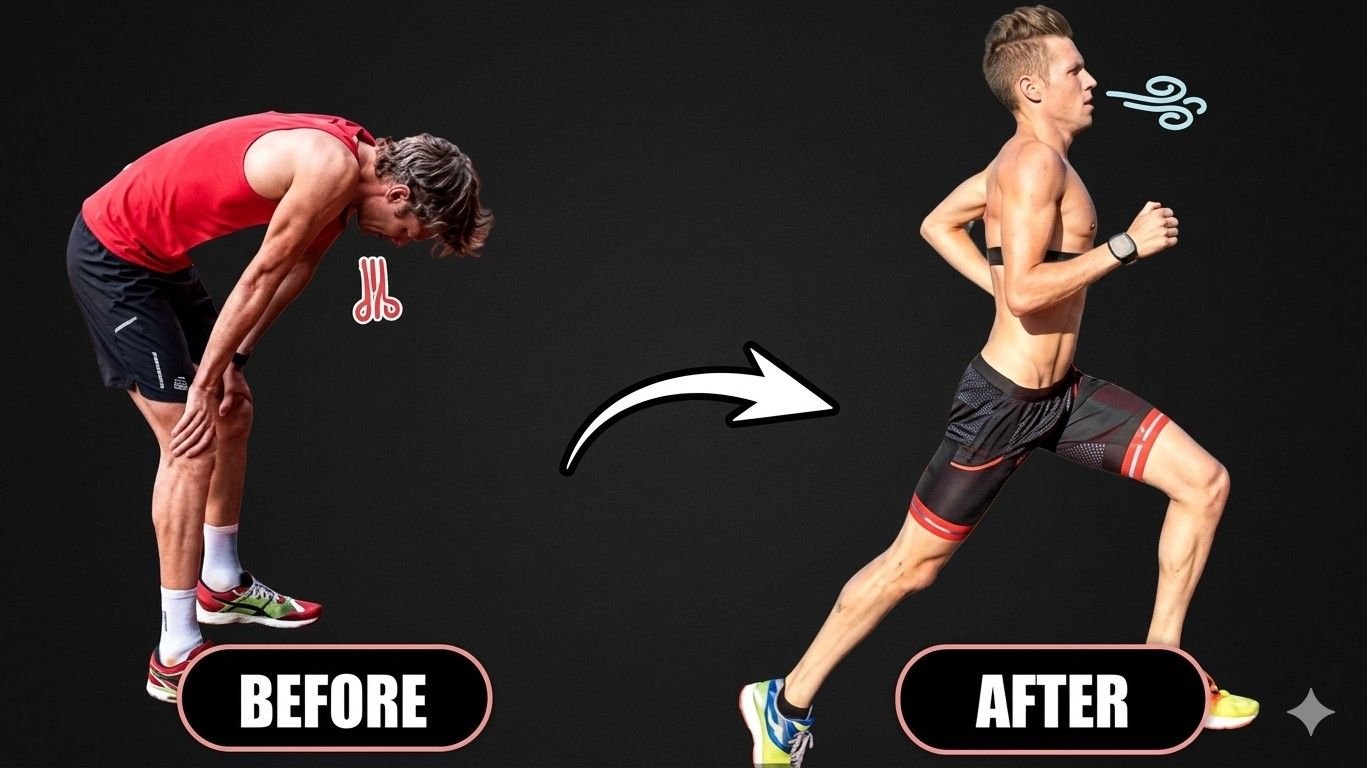
Proper breathing technique for running is key to maintaining stamina and avoiding fatigue. Controlling your breath helps deliver more oxygen to your muscles. This improves endurance and overall running performance.
For example, many marathon runners use rhythmic breathing, like inhaling for three steps and exhaling for two. This keeps their energy steady and reduces tiredness during long runs.
Learning to breathe correctly also reduces side stitches and helps maintain a smooth pace. Practicing breathing exercises off the track can improve running efficiency.
3. Use Short and Quick Strides
Using short and quick strides helps runners maintain speed without getting tired quickly. Long strides can waste energy and increase the risk of injury. Shorter steps keep your movements controlled and efficient.
For example, Eliud Kipchoge, the marathon world record holder, takes quick, consistent steps. This allows him to run long distances faster while conserving energy.
Quick strides also improve running cadence and rhythm. Practicing this technique daily can make your running smoother and more comfortable.
4. Focus on Proper Foot Landing
Proper foot strike technique is essential for running efficiency and injury prevention. Landing on the midfoot or forefoot rather than the heel reduces impact on joints. This helps maintain speed and comfort during runs.
For example, Mo Farah, a famous long-distance runner, lands lightly on his midfoot. This technique allows him to run longer distances without straining his knees or ankles.
Correct foot placement improves balance and running stability. Practicing proper landing on different surfaces strengthens muscles and prevents injuries.
5. Swing Your Arms the Right Way
Proper arm movement in running helps maintain balance and rhythm. Swinging your arms naturally forward and backward reduces wasted energy. It also helps drive your legs for faster strides.
For example, Allyson Felix, the Olympic sprinter, uses strong yet relaxed arm swings. This coordination between arms and legs increases her speed while keeping her running smooth.
Correct arm swing improves running efficiency and posture. Practicing this technique helps maintain energy, especially during long runs or sprints.
6. Build Running Endurance with Pace Control
Controlling your running pace is one of the most important techniques to build endurance. Many beginners start too fast and get tired quickly. Running at a steady, controlled pace helps conserve energy and maintain performance over long distances.
For example, Haile Gebrselassie, the legendary long-distance runner, carefully adjusts his pace during marathons. He starts at a manageable speed and gradually increases it, which helps him finish strong without burning out early. This shows how pace strategy directly affects stamina and overall running efficiency.
Pace control also allows your body to adapt to different terrains and conditions. Practicing tempo runs and interval training can improve your aerobic capacity.
7. Practice Consistent Running Drills

Regular running drills are essential to improve speed, coordination, and overall technique. Drills like high knees, butt kicks, and skipping help strengthen leg muscles and improve running form. Consistency in practice makes movements more efficient and reduces the risk of injuries.
For example, Shelly-Ann Fraser-Pryce, a top sprinter, practices specific drills every day. These drills improve her explosive speed and reaction time, allowing her to perform at the highest level during competitions. Even beginners can benefit by gradually adding these exercises to their routine.
Consistent drills also enhance stride length, cadence, and endurance. Combining drills with actual running sessions ensures steady progress. Over time, runners notice better speed, control, and stamina on every run.
Common Mistakes Runners Should Avoid
Even with the best running techniques, beginners often make mistakes that slow progress or cause injuries. Overstriding, poor posture, and ignoring warm-ups are common errors. Avoiding these helps maintain speed and reduces fatigue.
For example, many amateur runners try to sprint too fast at the start of a run. This leads to early exhaustion and sometimes knee or ankle injuries. Learning proper pacing and gradual progression prevents these problems.
Other than running, beginners in most popular sports like football, basketball, or tennis also make similar mistakes. You can learn from these sports to improve your form, pace, and stamina while avoiding injuries.
Benefits of Using Proper Running Techniques
Using the right running techniques brings many benefits for both beginners and experienced runners. It improves speed, stamina, and overall performance while reducing the risk of injuries. Proper technique also makes running more enjoyable and less tiring.
For example, runners who focus on posture, breathing, and foot landing can run longer distances without feeling exhausted. They recover faster after runs and notice steady improvements in their endurance and speed over time.
Good running techniques also strengthen muscles, joints, and core stability. Combining these techniques with regular drills and pace control ensures a balanced, efficient, and injury-free running routine.
Conclusion
Mastering the 7 running techniques can completely transform your running performance. Focusing on proper form, breathing, stride, foot landing, arm swing, pace control, and consistent drills helps you run faster, longer, and with less fatigue.
By practicing these techniques regularly, beginners and experienced runners alike can improve stamina, speed, and endurance. Small adjustments in your routine make running safer, more efficient, and more enjoyable.
Remember, success in running is not just about speed but also about running smart. Applying these techniques consistently will help you reach your fitness goals and enjoy every run to the fullest.
FAQs
1. What is the best running technique for beginners?
Beginners should focus on maintaining proper running form, short strides, and steady pace. Combining these with basic breathing techniques helps prevent fatigue and injuries.
2. How can I run faster without getting tired?
Control your pace, breathing, and stride length. Using rhythmic breathing and short, quick steps allows your body to conserve energy and maintain speed for longer distances.
3. Does breathing technique affect running performance?
Yes, proper breathing technique delivers more oxygen to muscles, improving stamina and endurance. Rhythmic breathing also reduces side stitches and fatigue.
4. How often should I practice running drills?
It is recommended to include running drills 3-4 times per week. Regular practice strengthens muscles, improves coordination, and enhances speed and endurance over time.
5. Can proper arm swing really make me run faster?
Yes, coordinated arm movement helps maintain balance and drives your legs efficiently. Correct arm swing improves rhythm and overall running efficiency, especially during sprints or long runs.
Leave a Reply